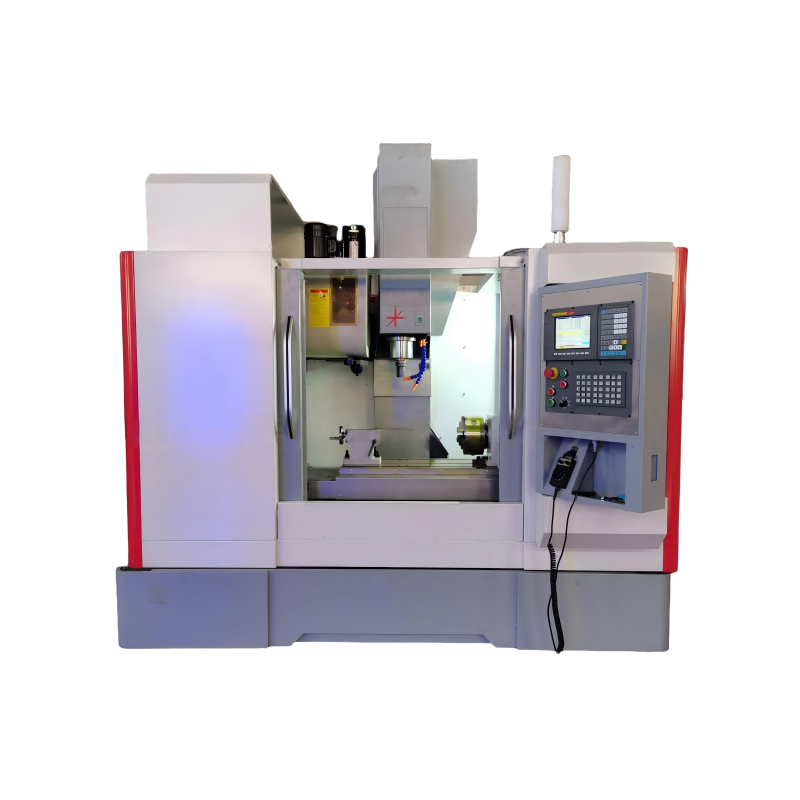
Understanding the intricacies of operating and maintaining a Precision Milling Machine, especially when sourced from a reputable Precision Milling Machine Factory in China, is crucial for maximizing efficiency and extending the lifespan of your equipment. This comprehensive guide delves into the essential aspects of both operation and maintenance, providing valuable insights to ensure optimal performance and reliability.
The foundation of any successful machining process lies in the initial setup and calibration of the precision milling machine. Proper installation not only ensures the safety of the operator but also guarantees the accuracy and repeatability of the workpieces. When setting up a new machine, it is important to follow the manufacturer’s guidelines meticulously. These guidelines often include:
Regular recalibration is equally important, as it helps to maintain the machine’s precision over time. Periodic checks and adjustments should be part of the maintenance routine to ensure that the machine continues to operate within specified tolerances.
One of the key factors in achieving high-quality results with a precision milling machine is the selection and management of cutting tools. The right tool can significantly impact the surface finish, dimensional accuracy, and overall productivity. Here are some best practices for tool selection and management:
Additionally, proper tool geometry and cutting parameters, such as feed rate and spindle speed, should be carefully selected based on the specific requirements of the job. This will help to optimize the cutting process and extend the life of the tools.
Regular maintenance is essential to keep a precision milling machine running smoothly and to prevent costly breakdowns. A well-maintained machine not only performs better but also has a longer service life. Here are some best practices for maintaining your precision milling machine:
By adhering to these maintenance best practices, you can ensure that your precision milling machine remains in top condition, delivering consistent and reliable performance.
To further enhance the performance of your precision milling machine, consider implementing advanced techniques and technologies. These can include:
By incorporating these advanced techniques, you can achieve higher levels of efficiency and quality, making the most of your investment in a precision milling machine.
Finally, the skill and knowledge of the operators play a crucial role in the effective use and maintenance of a precision milling machine. Operators should be trained in the following areas:
Regular training and refresher courses can help to keep operators up-to-date with the latest best practices and technologies. Well-trained operators are more likely to use the machine efficiently and safely, contributing to the overall success of the manufacturing process.
In conclusion, a Precision Milling Machine Factory in China can provide you with a high-quality, reliable machine, but it is your responsibility to ensure that it operates at its best. By following the guidelines for initial setup, tool selection, maintenance, and operator training, you can maximize the performance and longevity of your precision milling machine. This comprehensive guide serves as a valuable resource to help you achieve these goals and maintain a competitive edge in your industry.
 01/07/2026
In the world of advanced manufacturing, precision milling machines play a crucial role in producing high-accurate components. China has emerged as one of the leading countries in the production and export of these sophisticated machines. This report aims
Read More01/07/2026China, as a global leader in manufacturing, has become a hub for high-precision machinery, including milling machines. This report explores the advantages of sourcing from a leading Precision Milling Machine Factory in China, highlighting key benefits tha
Read More01/07/2026China, known for its robust manufacturing sector, has become a global leader in the production of precision milling machines. This report delves into the innovations at a Chinese Precision Milling Machine Factory, showcasing the advancements and technolog
Read More01/07/2026China, being a global leader in manufacturing, houses numerous precision milling machine factories that cater to the diverse needs of various industries. These machines are essential for producing high-accuracy components and parts, making them indispensa
Read MoreOur professional sales team is always ready to assist you.