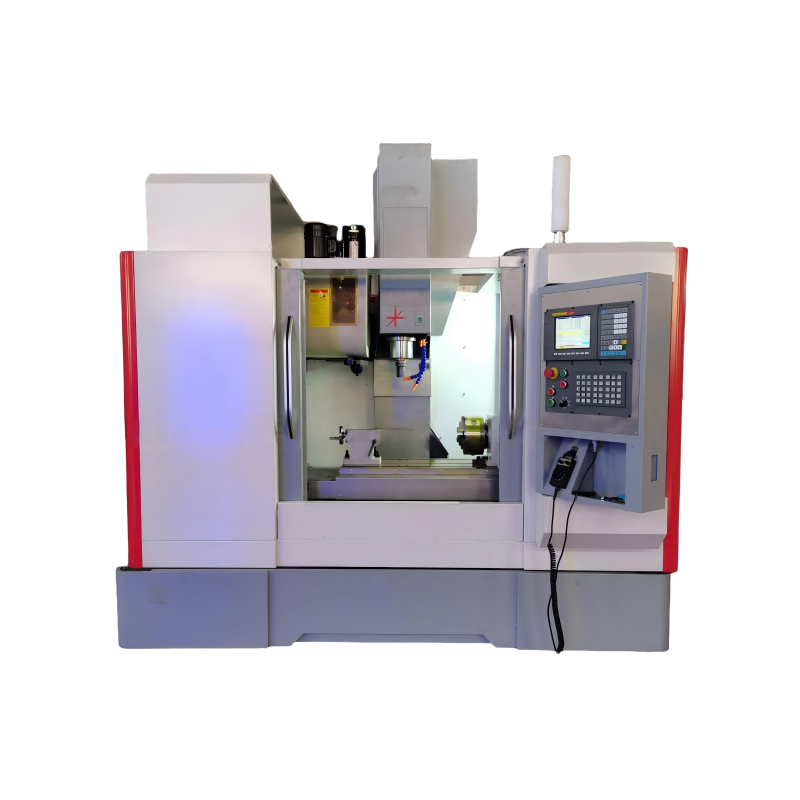
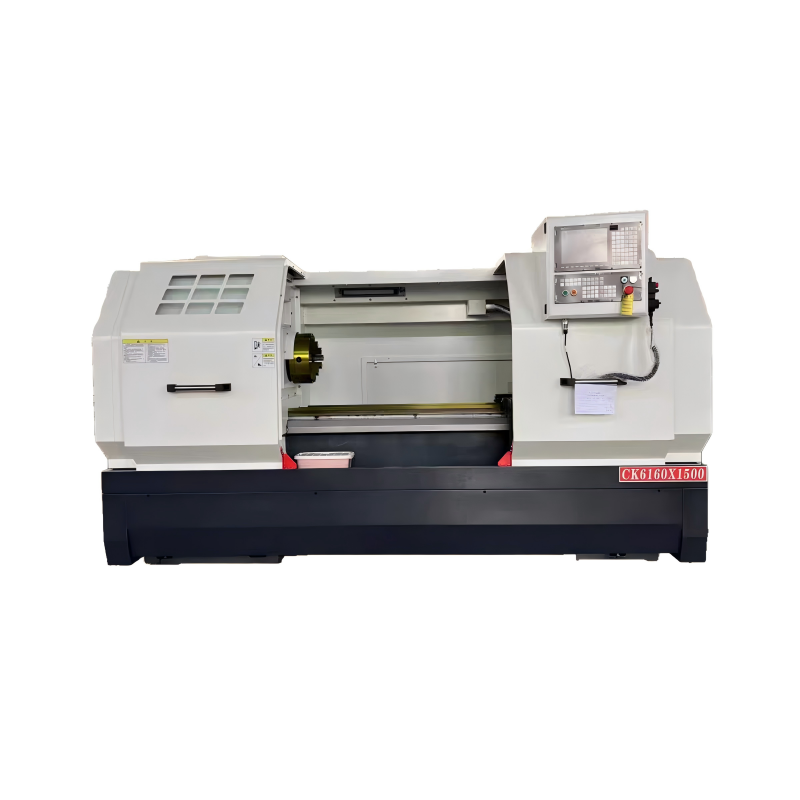
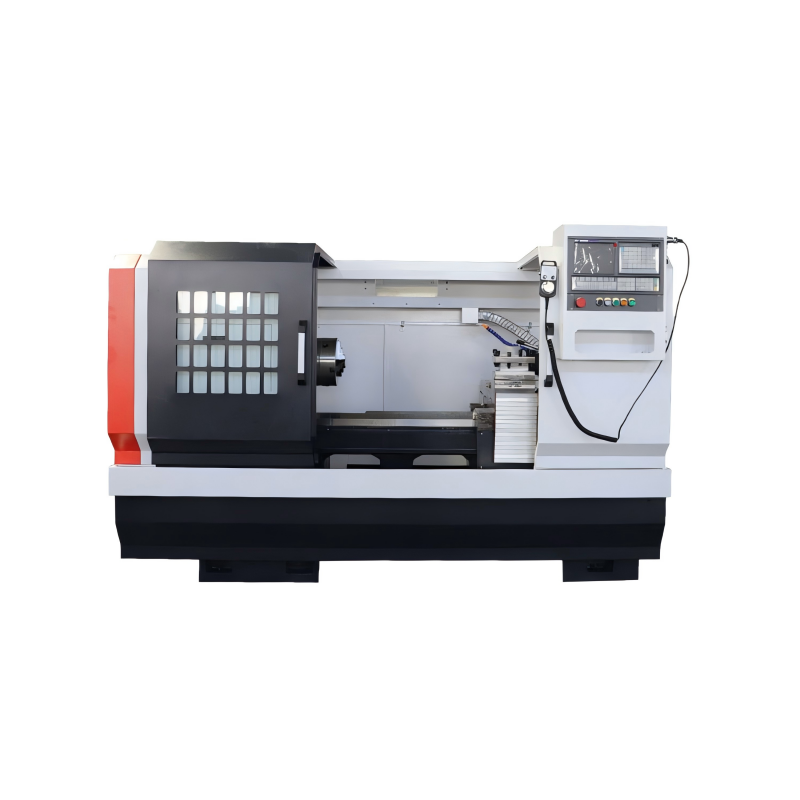
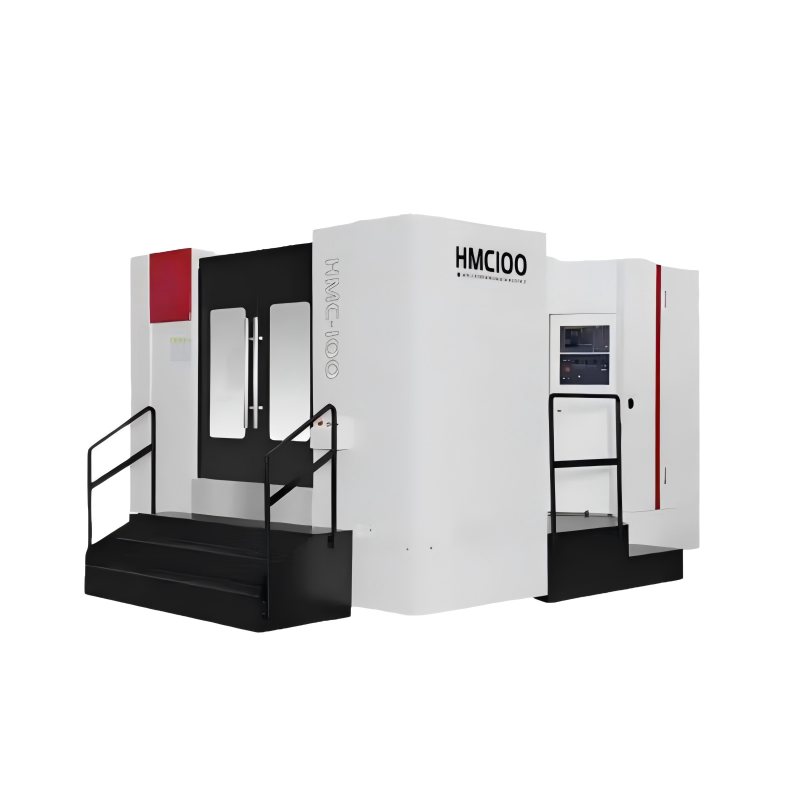
China, being a global leader in manufacturing, houses numerous Precision Milling Machine factories that cater to the diverse needs of various industries. These machines are essential for producing high-accuracy components and parts, making them indispensable in fields such as aerospace, automotive, and electronics. This report delves into the capabilities of a precision milling machine, focusing on the advancements and innovations within a typical Precision Milling Machine Factory in China.
Precision milling has come a long way since its inception. Initially, milling was a manual process, but with the advent of computer numerical control (CNC) technology, it has become highly automated and precise. A Precision Milling Machine Factory in China today is equipped with state-of-the-art CNC machines that can achieve tolerances as tight as ±0.001 mm. This level of accuracy is crucial for industries that require high-precision components, such as the aerospace and medical sectors. The evolution of milling technology has not only improved precision but also increased efficiency, reducing production times and costs.
Modern precision milling machines in China are designed with several key features that enhance their performance and usability. One of the most significant features is the integration of advanced software. These machines use sophisticated CAD/CAM (Computer-Aided Design/Computer-Aided Manufacturing) software, which allows for the creation of complex 3D models and the generation of precise toolpaths. Additionally, many precision milling machines now come with multi-axis capabilities, enabling the machining of intricate geometries in a single setup. This not only improves accuracy but also reduces the need for multiple setups, thereby increasing productivity. Another important feature is the use of high-speed spindles, which can reach speeds of up to 30,000 RPM. High-speed spindles allow for faster material removal rates and better surface finishes, making them ideal for applications that require both speed and precision.
Ensuring the quality of machined parts is a critical aspect of any Precision Milling Machine Factory in China. Quality control measures are implemented at every stage of the manufacturing process to ensure that the final products meet the required specifications. One of the primary methods used for quality assurance is the implementation of in-process inspection. This involves using various measurement tools, such as coordinate measuring machines (CMMs), to check the dimensions and tolerances of the parts during the machining process. In addition, many factories employ statistical process control (SPC) techniques to monitor and control the variability in the manufacturing process. SPC helps in identifying and correcting any deviations from the specified tolerances, ensuring consistent quality. Furthermore, regular maintenance and calibration of the milling machines are essential to maintain their accuracy and performance. Factories often have dedicated teams for machine maintenance, who perform routine checks and adjustments to ensure that the machines are operating at their optimal levels.
The field of precision milling is constantly evolving, driven by the need for higher precision, faster production, and greater flexibility. One of the emerging trends in precision milling is the integration of artificial intelligence (AI) and machine learning (ML) technologies. AI and ML can be used to optimize toolpaths, predict and prevent machine failures, and improve overall process efficiency. For example, predictive maintenance systems can analyze data from sensors on the milling machines to detect potential issues before they lead to downtime. Another trend is the development of hybrid machines that combine milling with other processes, such as turning or grinding, in a single setup. This multifunctional capability allows for the production of more complex parts with fewer operations, reducing both time and cost. Additionally, the use of advanced materials, such as composites and superalloys, is becoming more prevalent in precision milling. These materials offer unique properties, such as high strength and lightweight, but they also present new challenges in terms of machining. Precision milling machines in China are continuously being upgraded to handle these advanced materials, with features such as specialized cutting tools and cooling systems.
A Precision Milling Machine Factory in China is a hub of innovation and excellence, providing high-precision components and parts for a wide range of industries. The evolution of milling technology, the key features of modern precision milling machines, and the rigorous quality control measures in place all contribute to the factory's ability to meet the demanding requirements of today's manufacturing landscape. As the industry continues to evolve, the integration of AI, the development of hybrid machines, and the use of advanced materials will further enhance the capabilities of precision milling, ensuring that these factories remain at the forefront of manufacturing technology.
 01/07/2026
In the world of advanced manufacturing, precision milling machines play a crucial role in producing high-accurate components. China has emerged as one of the leading countries in the production and export of these sophisticated machines. This report aims
Read More01/07/2026Understanding the intricacies of operating and maintaining a precision milling machine, especially when sourced from a reputable Precision Milling Machine Factory in China, is crucial for maximizing efficiency and extending the lifespan of your equipment.
Read More01/07/2026China, as a global leader in manufacturing, has become a hub for high-precision machinery, including milling machines. This report explores the advantages of sourcing from a leading Precision Milling Machine Factory in China, highlighting key benefits tha
Read More01/07/2026China, known for its robust manufacturing sector, has become a global leader in the production of precision milling machines. This report delves into the innovations at a Chinese Precision Milling Machine Factory, showcasing the advancements and technolog
Read MoreOur professional sales team is always ready to assist you.