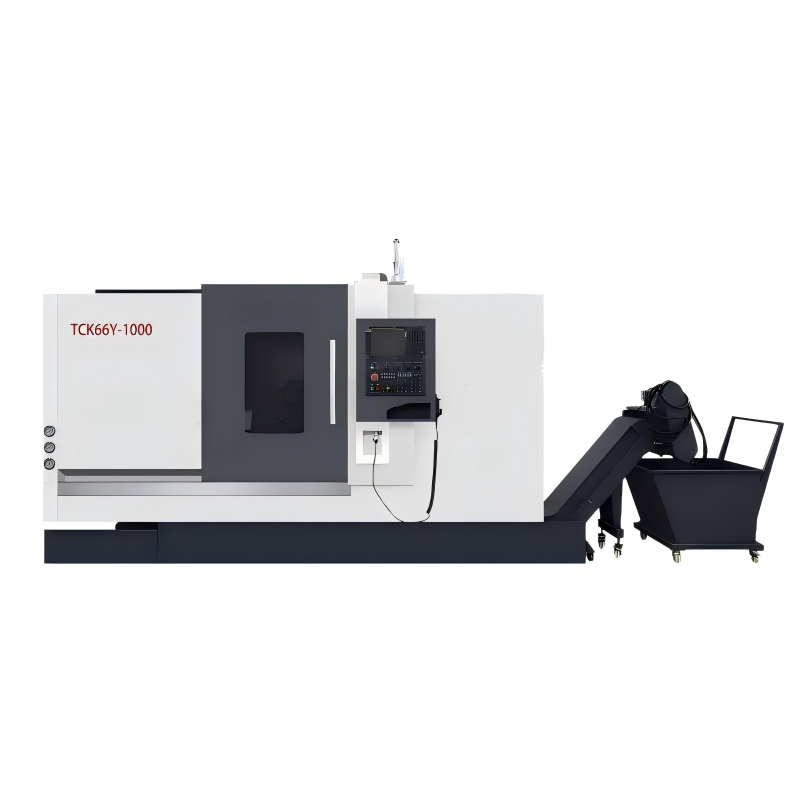
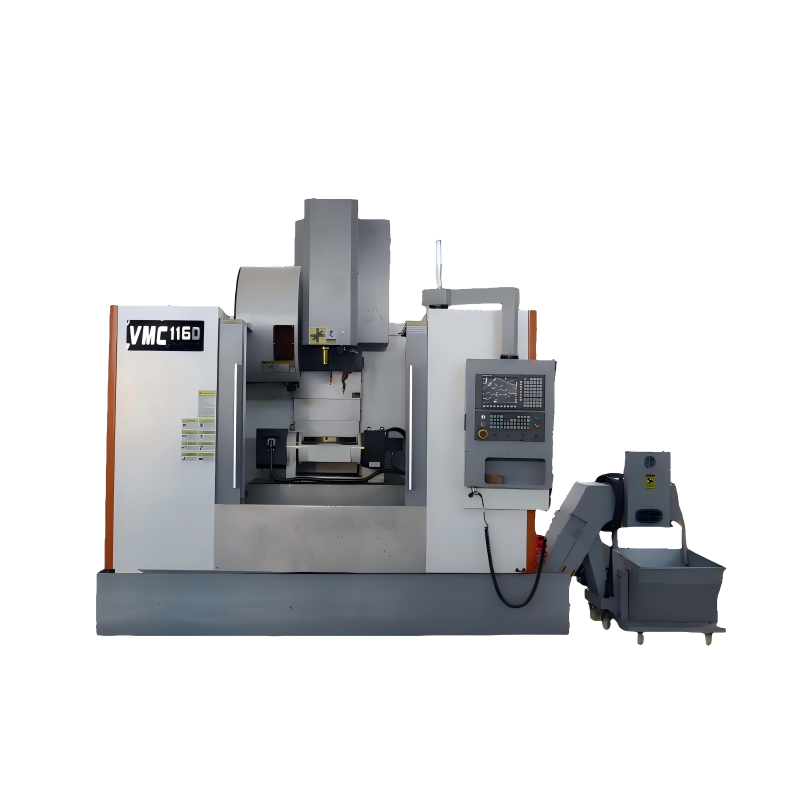
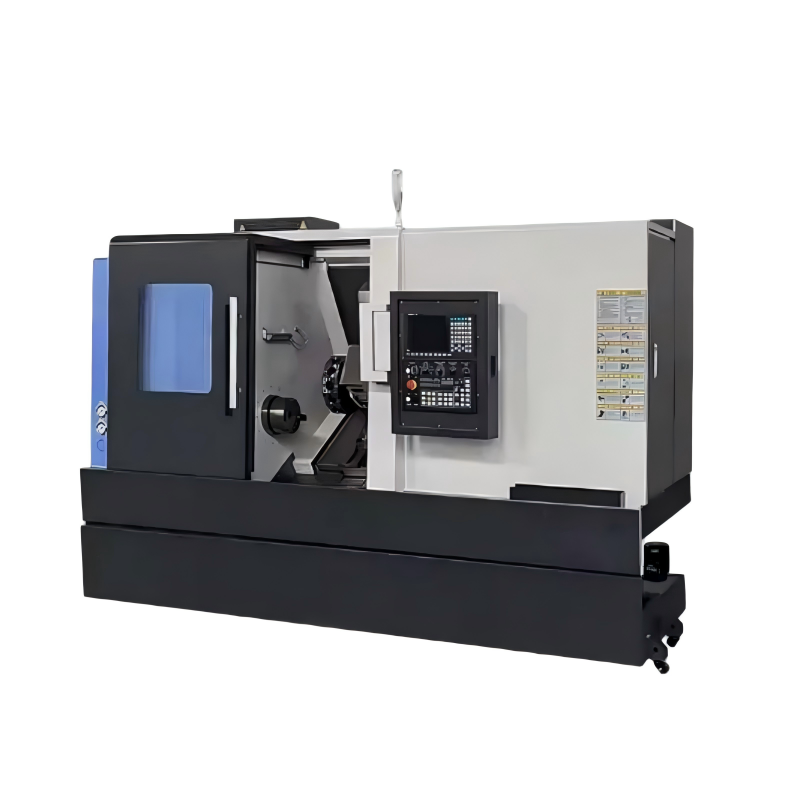
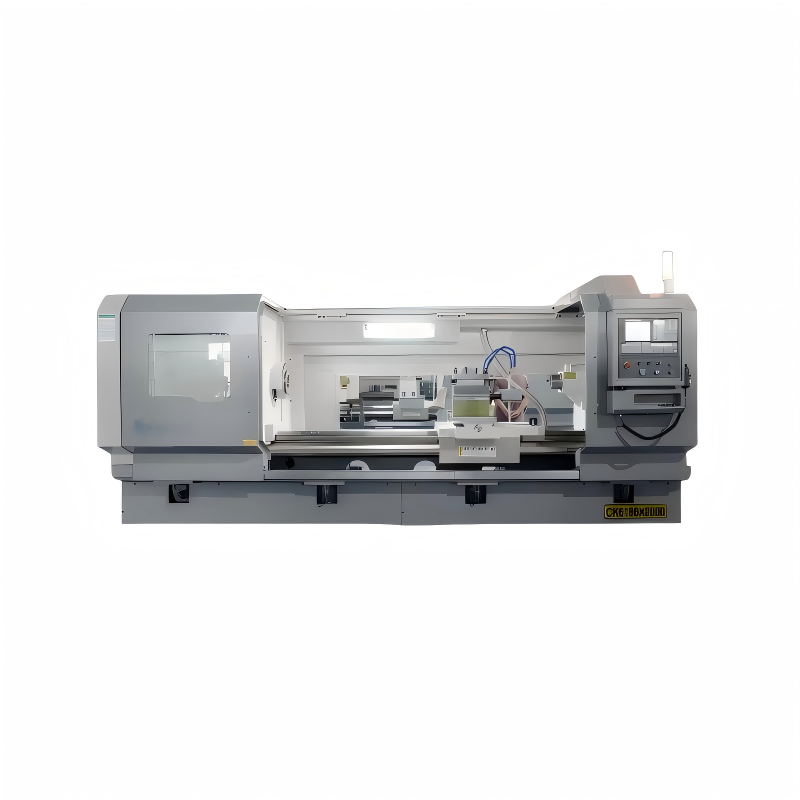
In the rapidly evolving landscape of modern manufacturing, precision is not just a preference but a necessity. The Toolroom Milling Machine stands out as a critical piece of equipment for achieving high-precision machining. This report delves into the advanced techniques and best practices that machinists can employ to maximize the potential of their toolroom milling machines, ensuring superior results in every project.
Toolroom milling machines are essential for producing highly accurate and complex parts. These machines are designed to handle a wide range of materials, from metals to plastics, and can perform a variety of operations, including drilling, boring, and contouring. The versatility and precision of these machines make them indispensable in industries such as aerospace, automotive, and medical device manufacturing. By understanding the capabilities and limitations of toolroom milling machines, machinists can optimize their workflows and achieve consistent, high-quality results.
Proper setup is the foundation of any successful machining operation. For toolroom milling machines, this involves several key steps:
By following these advanced setup techniques, machinists can significantly enhance the precision and efficiency of their toolroom milling machine operations.
One of the most critical aspects of precision machining is the selection and optimization of cutting parameters. These parameters include cutting speed, feed rate, and depth of cut. Properly setting these parameters can lead to improved tool life, better surface finish, and reduced cycle times. Here are some guidelines for optimizing cutting parameters:
By carefully selecting and adjusting these cutting parameters, machinists can achieve the best possible results from their toolroom milling machines.
Computer Numerical Control (CNC) technology has revolutionized the field of machining by providing enhanced control and automation. CNC toolroom milling machines offer several advantages over manual machines, including:
By implementing CNC technology, machinists can take full advantage of the capabilities of their toolroom milling machines, achieving higher levels of precision and efficiency.
The Toolroom Milling Machine is a vital tool for modern machinists, offering unparalleled precision and versatility. By employing advanced setup techniques, optimizing cutting parameters, and leveraging CNC technology, machinists can unlock the full potential of their toolroom milling machines. These practices not only enhance the quality of the finished products but also improve overall productivity and efficiency. As the demands of modern manufacturing continue to evolve, the role of toolroom milling machines will only become more critical, making it essential for machinists to stay informed and skilled in the latest techniques and technologies.
 01/07/2026
Toolroom milling machines, also known as tool and cutter grinders, play a crucial role in the manufacturing industry. These machines are designed to perform high-precision machining operations on various materials, making them indispensable for tool and d
Read More01/07/2026Toolroom milling machines have long been a cornerstone of precision manufacturing, enabling the creation of highly accurate components for a wide range of industries. As technology advances, so too does the capability and performance of these essential to
Read More01/07/2026In the realm of manufacturing, precision and customization are key to meeting diverse customer demands. A toolroom milling machine plays a critical role in achieving these goals, especially in the production of custom parts. This technical report aims to
Read More01/07/2026The evolution of manufacturing technologies has led to significant improvements in workshop efficiency. One such advancement is the Toolroom Milling Machine, which has become an indispensable asset in modern workshops. This report will explore how the Too
Read More01/07/2026In the realm of modern manufacturing, precision and efficiency are paramount. One tool that has proven indispensable in achieving these goals is the Toolroom Milling Machine. This technical report explores the critical role of the Toolroom Milling Machine
Read MoreOur professional sales team is always ready to assist you.