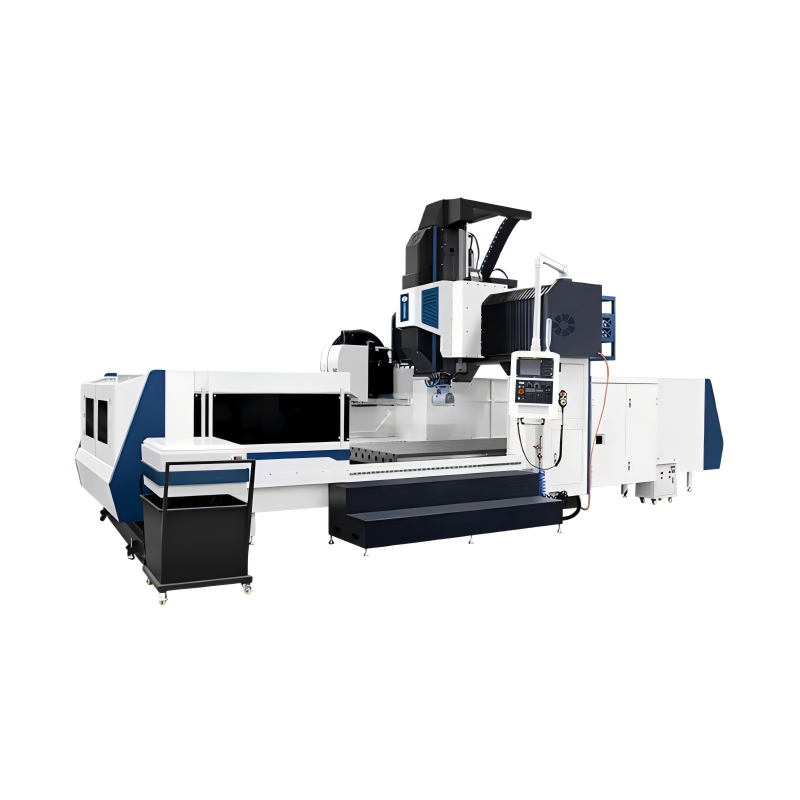
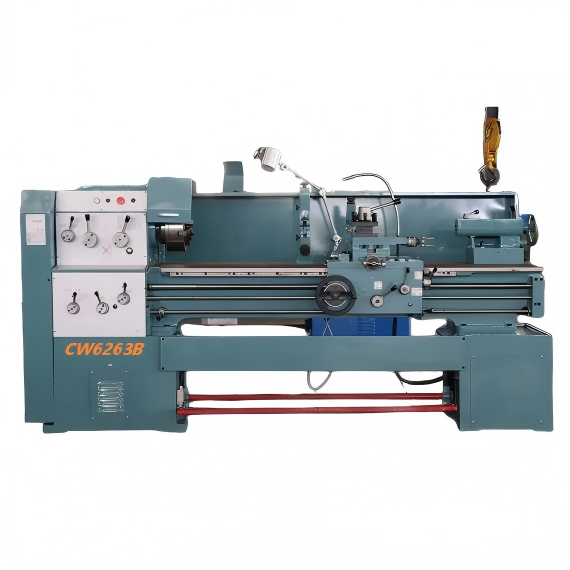
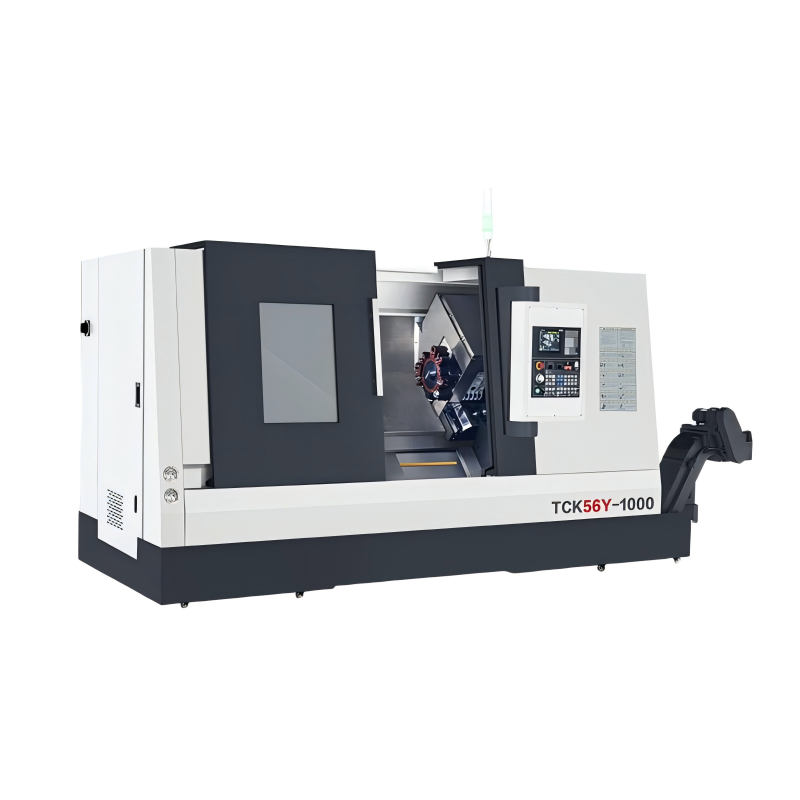
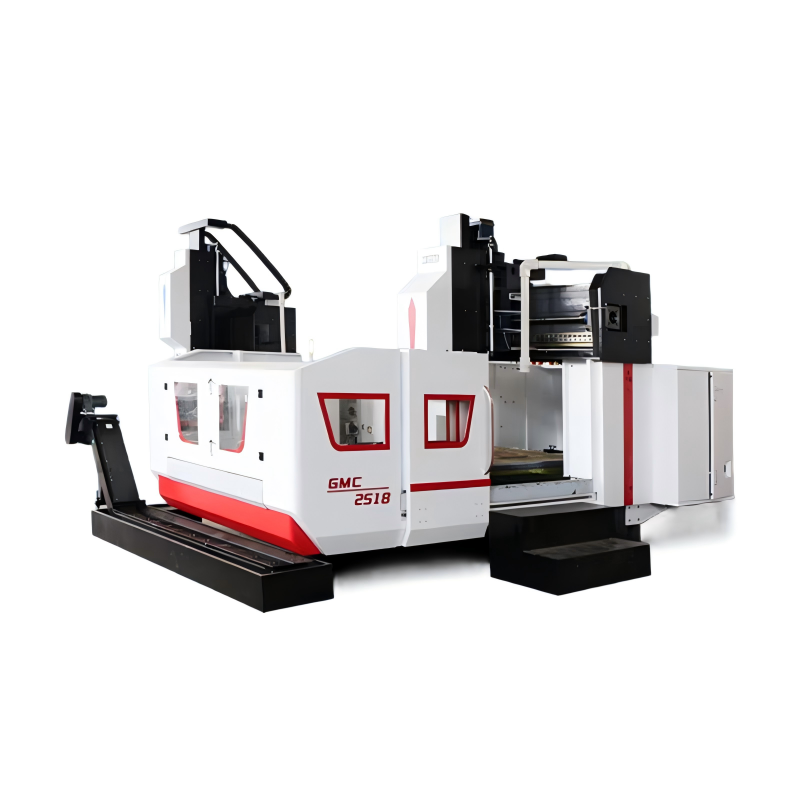
In the realm of manufacturing, precision and customization are key to meeting diverse customer demands. A Toolroom Milling Machine plays a critical role in achieving these goals, especially in the production of custom parts. This technical report aims to explore how a toolroom milling machine contributes to the process of custom part production, focusing on its versatility, precision, and cost-effectiveness.
Enhanced Versatility in Custom Part Production
The ability to adapt to various machining requirements is one of the most significant advantages of a toolroom milling machine. These machines can handle a wide range of materials, from metals like aluminum, steel, and titanium, to non-metals such as plastics and composites. The flexibility in material processing makes them indispensable in a toolroom environment where jobs often vary significantly from one to another. Additionally, toolroom milling machines come equipped with multiple axes, allowing for complex geometries and intricate designs. This multi-axis capability enables the creation of parts with high levels of detail, which is essential for producing customized components that meet specific client specifications.
Furthermore, modern toolroom milling machines often feature advanced software that supports computer-aided design (CAD) and computer-aided manufacturing (CAM). This integration facilitates seamless transitions from design to production, ensuring that the final product matches the digital blueprint. The use of CAD/CAM software also allows for rapid prototyping, enabling manufacturers to quickly test and refine their designs before committing to full-scale production. This iterative process is crucial in custom part production, where precision and accuracy are paramount.
Precision and Accuracy in Manufacturing
One of the core benefits of using a toolroom milling machine in custom part production is its unparalleled precision and accuracy. These machines are designed with high-resolution encoders and robust control systems that ensure minimal deviation from the intended dimensions. The precision of a toolroom milling machine is particularly important when working with tight tolerances, which are common in industries such as aerospace, medical, and automotive. In these sectors, even the slightest deviation can lead to catastrophic failures, making the reliability of the machining process critical.
Moreover, toolroom milling machines often incorporate features such as automatic tool changers and coolant systems. Automatic tool changers allow for the seamless switching between different tools, reducing downtime and increasing productivity. Coolant systems help maintain the temperature of the workpiece and cutting tools, preventing thermal expansion and ensuring consistent results. These features collectively contribute to the high level of precision and repeatability that is necessary for producing high-quality custom parts.
Another aspect that enhances the precision of toolroom milling machines is the use of high-quality cutting tools. Advanced cutting tools, made from materials like carbide and diamond, provide superior performance and longevity. They are capable of achieving fine surface finishes and maintaining sharp edges, which are essential for producing parts with smooth and accurate surfaces. The combination of precise machinery and high-quality tools ensures that the final products meet or exceed the required standards.
Cost-Effectiveness and Efficiency
While the initial investment in a toolroom milling machine may be substantial, the long-term benefits in terms of cost-effectiveness and efficiency make it a worthwhile investment for many manufacturing operations. One of the primary ways in which these machines save costs is through reduced waste. The precision and accuracy of toolroom milling machines minimize the likelihood of errors, which in turn reduces the amount of scrap material generated. This is particularly beneficial in industries where raw materials are expensive, such as in the production of high-end alloys and specialized plastics.
Additionally, toolroom milling machines can operate with minimal supervision, thanks to their automated features. This automation not only reduces labor costs but also increases overall productivity. Operators can set up the machine, load the program, and let it run with minimal intervention. This hands-off approach allows for the efficient use of human resources, freeing up skilled workers to focus on more complex tasks such as quality control and maintenance.
Another factor that contributes to the cost-effectiveness of toolroom milling machines is their durability and longevity. These machines are built to withstand the rigors of continuous operation and are designed with robust components that require minimal maintenance. Regular servicing and proper care can extend the lifespan of the machine, further justifying the initial investment. Moreover, the ability to upgrade and retrofit existing machines with new technology and features ensures that they remain relevant and productive over time.
In conclusion, the role of a toolroom milling machine in custom part production is multifaceted, encompassing enhanced versatility, precision, and cost-effectiveness. These machines are essential for manufacturers looking to produce high-quality, customized parts that meet the stringent requirements of various industries. By leveraging the capabilities of a toolroom milling machine, manufacturers can achieve greater flexibility, accuracy, and efficiency, ultimately leading to higher customer satisfaction and a competitive edge in the market.
 01/07/2026



