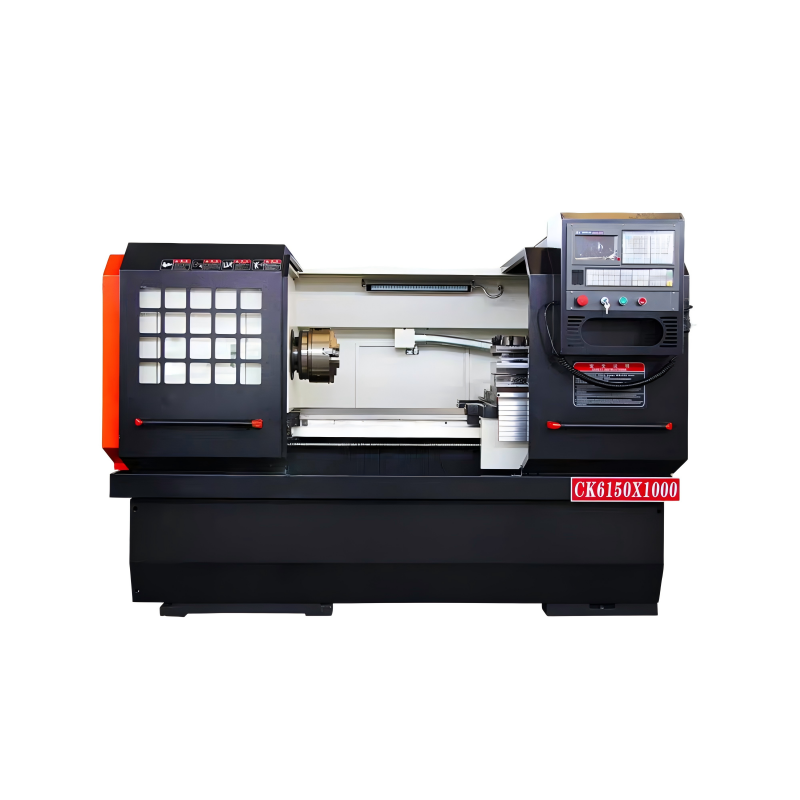
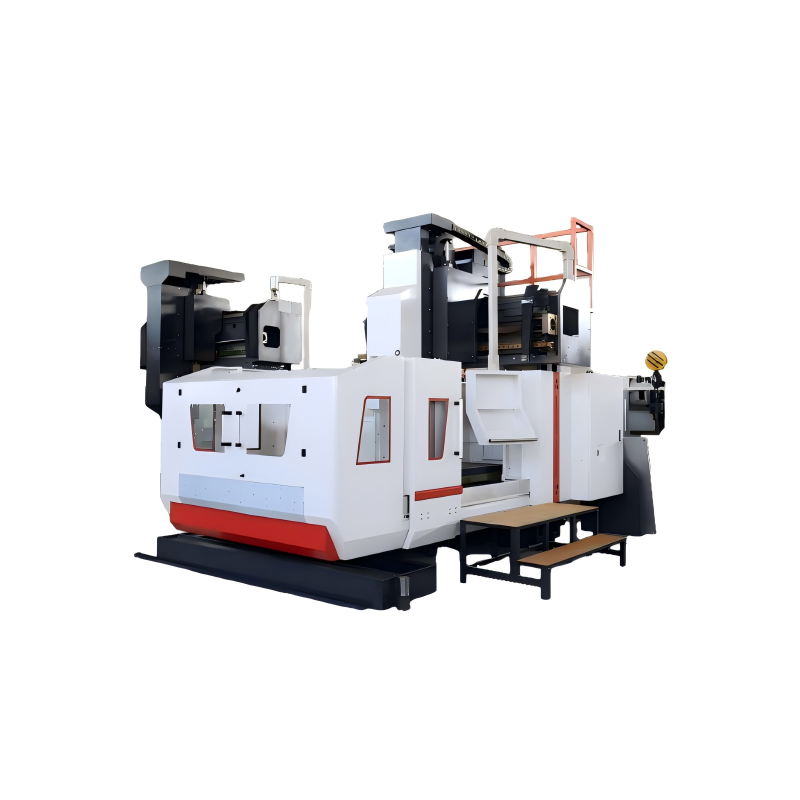
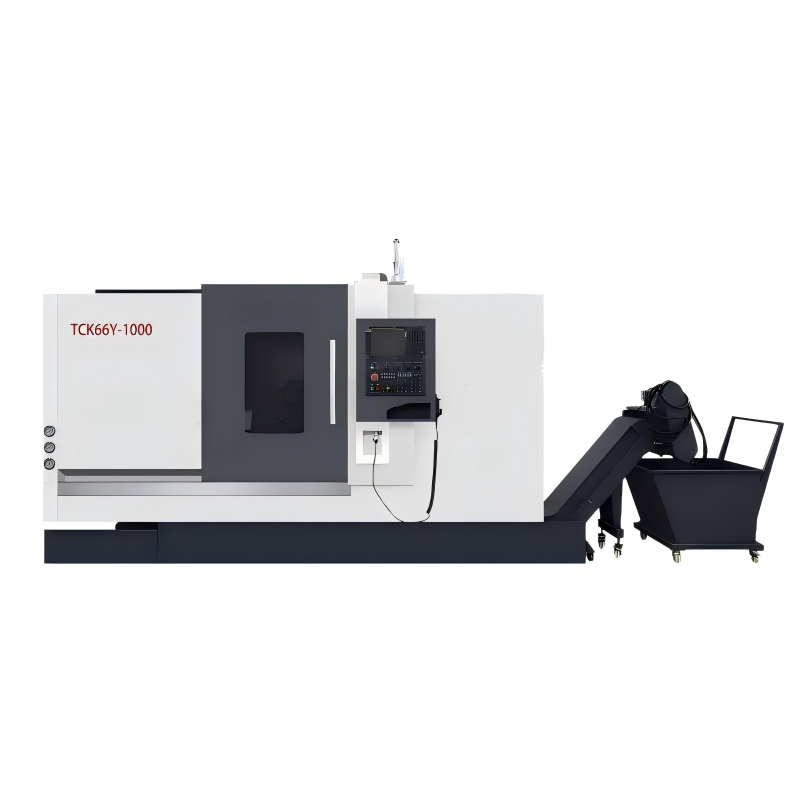
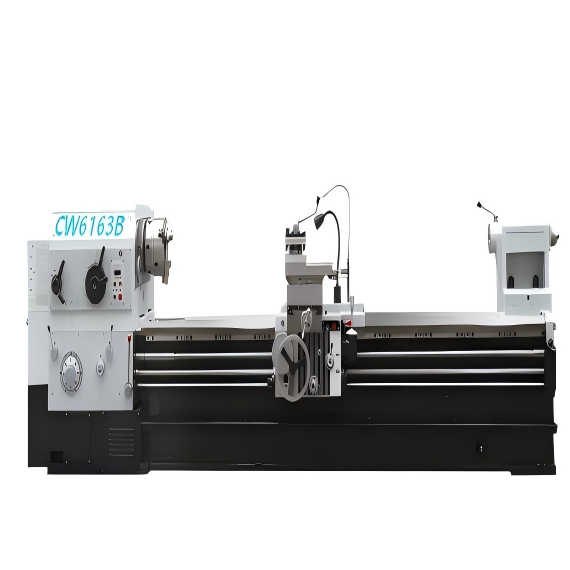
Toolroom Milling Machines, also known as tool and cutter grinders, play a crucial role in the manufacturing industry. These machines are designed to perform high-precision machining operations on various materials, making them indispensable for tool and die makers, mold manufacturers, and other precision engineering applications. This report explores the advantages and applications of advanced toolroom milling machines in the modern industrial landscape.
One of the primary advantages of advanced toolroom milling machines is their ability to achieve unparalleled precision and accuracy. These machines are equipped with state-of-the-art CNC (Computer Numerical Control) systems that allow for precise control over the cutting process. The use of high-resolution encoders and advanced feedback mechanisms ensures that the machine can maintain tight tolerances, often within microns. This level of precision is essential for producing complex and intricate parts, such as molds, dies, and specialized cutting tools.
Moreover, advanced toolroom milling machines often feature automatic tool changers and multiple axes, which further enhance their precision capabilities. The ability to change tools quickly and accurately without manual intervention reduces the risk of human error and ensures consistent quality. Additionally, multi-axis machines can perform complex cuts and contours, making them ideal for creating highly detailed and accurate components.
Advanced toolroom milling machines are designed to maximize productivity and efficiency in the manufacturing process. These machines are capable of performing a wide range of operations, from simple milling and drilling to more complex tasks such as contouring and engraving. The versatility of these machines allows for the production of a variety of parts with minimal setup time, reducing the overall production cycle.
Furthermore, the integration of automation and robotics in advanced toolroom milling machines significantly enhances their efficiency. Automated features, such as tool changers, pallet changers, and part loading/unloading systems, reduce downtime and increase the machine's uptime. This not only improves productivity but also reduces labor costs, as fewer operators are required to manage the machine. Additionally, the use of advanced software and programming tools enables the optimization of machining processes, further enhancing the machine's efficiency.
Despite their advanced features and capabilities, toolroom milling machines offer cost-effective solutions for many manufacturing applications. The initial investment in an advanced toolroom milling machine may be higher compared to traditional milling machines, but the long-term benefits often outweigh the costs. These machines are built to last, with robust construction and high-quality components, ensuring a long service life and minimal maintenance requirements.
Additionally, the versatility of advanced toolroom milling machines makes them a valuable asset for any manufacturing facility. They can handle a wide range of materials, including metals, plastics, and composites, and can be used for both prototyping and full-scale production. This flexibility allows manufacturers to adapt to changing market demands and take on a variety of projects without the need for additional equipment. Moreover, the ability to produce high-precision parts in-house reduces the need for outsourcing, which can lead to significant cost savings and improved quality control.
The advent of Industry 4.0 has brought about a new era of manufacturing, characterized by the integration of advanced technologies such as the Internet of Things (IoT), artificial intelligence (AI), and big data analytics. Advanced toolroom milling machines are well-suited to integrate with these technologies, enabling real-time monitoring, predictive maintenance, and data-driven decision-making.
For instance, IoT sensors can be installed on the machine to collect data on its performance, temperature, and vibration levels. This data can then be analyzed using AI algorithms to predict potential failures and schedule maintenance proactively, reducing downtime and extending the machine's lifespan. Additionally, the use of big data analytics can help optimize machining parameters, improve part quality, and reduce material waste, leading to more efficient and sustainable manufacturing processes.
Furthermore, the integration of advanced toolroom milling machines with cloud-based platforms allows for remote monitoring and control, enabling manufacturers to manage their operations from anywhere in the world. This capability is particularly valuable for companies with multiple manufacturing sites, as it allows for centralized management and coordination of resources.
Advanced toolroom milling machines offer numerous advantages and applications in the modern manufacturing industry. Their enhanced precision and accuracy, increased productivity and efficiency, cost-effectiveness, and versatility make them a valuable asset for any manufacturing facility. Additionally, their ability to integrate with Industry 4.0 technologies positions them at the forefront of the next generation of manufacturing. As the demand for high-precision and complex parts continues to grow, the role of advanced toolroom milling machines in the industry will only become more critical.
 01/07/2026
In the rapidly evolving landscape of modern manufacturing, precision is not just a preference but a necessity. The Toolroom Milling Machine stands out as a critical piece of equipment for achieving high-precision machining. This report delves into the adv
Read More01/07/2026Toolroom milling machines have long been a cornerstone of precision manufacturing, enabling the creation of highly accurate components for a wide range of industries. As technology advances, so too does the capability and performance of these essential to
Read More01/07/2026In the realm of manufacturing, precision and customization are key to meeting diverse customer demands. A toolroom milling machine plays a critical role in achieving these goals, especially in the production of custom parts. This technical report aims to
Read More01/07/2026The evolution of manufacturing technologies has led to significant improvements in workshop efficiency. One such advancement is the Toolroom Milling Machine, which has become an indispensable asset in modern workshops. This report will explore how the Too
Read More01/07/2026In the realm of modern manufacturing, precision and efficiency are paramount. One tool that has proven indispensable in achieving these goals is the Toolroom Milling Machine. This technical report explores the critical role of the Toolroom Milling Machine
Read MoreOur professional sales team is always ready to assist you.