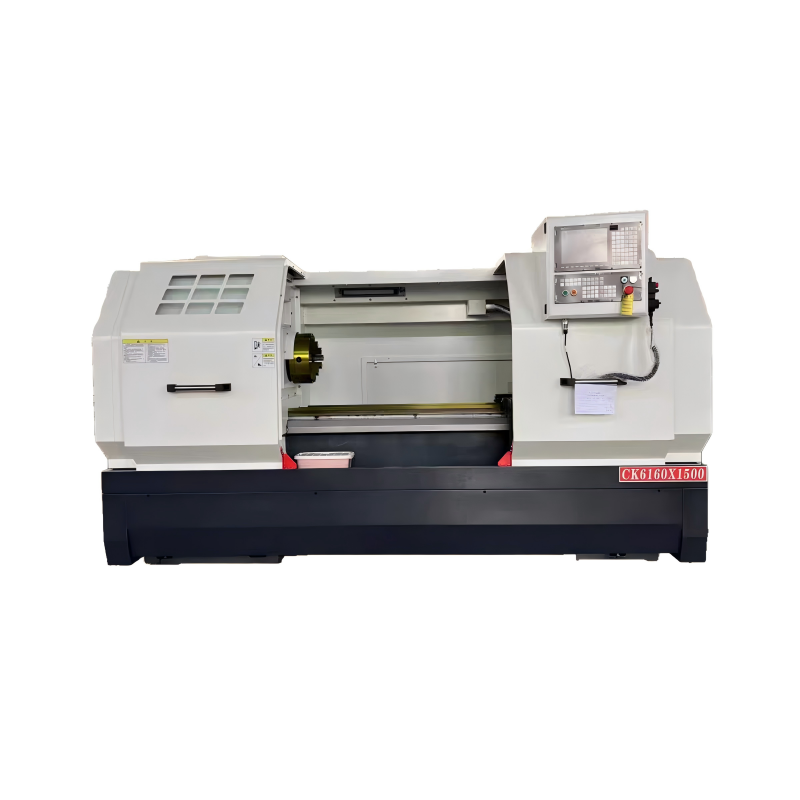
When it comes to the manufacturing industry, a heavy duty CNC lathe is an indispensable tool for producing high-precision parts. This guide aims to provide comprehensive insights into purchasing a heavy duty CNC Lathe from China, ensuring that you make an informed decision.
A heavy duty CNC lathe is designed to handle large and complex machining tasks with precision and efficiency. These lathes are equipped with advanced computer numerical control (CNC) systems, which allow for automated and highly accurate operations. They are commonly used in industries such as automotive, aerospace, and heavy machinery, where the production of large, intricate components is required.
Key features of a heavy duty CNC lathe include:
These features make heavy duty CNC lathes ideal for applications that require high precision and repeatability, even under demanding conditions.
Before making a purchase, it is essential to evaluate your specific needs and requirements. This will help you choose the right heavy duty CNC lathe that meets your production goals. Here are some key considerations:
By carefully evaluating these factors, you can ensure that the heavy duty CNC lathe you choose is well-suited to your specific needs and will enhance your production capabilities.
China is a leading manufacturer of heavy duty CNC lathes, offering a wide range of options at competitive prices. However, selecting a reliable Heavy duty CNC lathe supplier China is crucial to ensure the quality and performance of the machine. Here are some tips to help you find a reputable supplier:
By following these guidelines, you can identify a trustworthy heavy duty CNC lathe supplier China that will provide a high-quality machine and ongoing support.
When evaluating heavy duty CNC lathes, it is important to understand the technical specifications and performance metrics that will impact the machine's effectiveness. Here are some key technical aspects to consider:
By thoroughly reviewing these technical specifications, you can ensure that the heavy duty CNC lathe you choose is capable of meeting your production needs and delivering high-quality results.
Investing in a heavy duty CNC lathe is a significant financial decision. While the initial cost is an important factor, it is equally important to consider the long-term benefits and total cost of ownership. Here are some key cost considerations:
By considering these cost factors, you can make a well-informed decision that balances the initial investment with the long-term benefits and cost savings.
Purchasing a heavy duty CNC lathe is a significant investment that requires careful consideration. By understanding the basics of heavy duty CNC lathes, evaluating your specific needs, selecting a reliable heavy duty CNC lathe supplier China, reviewing technical specifications, and considering cost factors, you can make an informed decision that enhances your production capabilities and delivers long-term value.
Remember, the right heavy duty CNC lathe can significantly improve your manufacturing processes, increase productivity, and ensure the quality and precision of your products. Take the time to research and choose wisely, and you will reap the benefits for years to come.
 19/06/2026
In the rapidly evolving landscape of manufacturing, heavy duty CNC lathes have become indispensable tools for producing high-precision components. As a key player in the global market, China has emerged as a significant supplier of these advanced machines
Read More19/06/2026Introduction to Heavy Duty CNC LathesIn the world of industrial manufacturing, precision and efficiency are paramount. A heavy duty CNC (Computer Numerical Control) lathe is an essential tool for producing high-precision parts with complex geometries. The
Read More19/06/2026Introduction to Heavy Duty CNC Lathes in the Chinese MarketThe manufacturing landscape is witnessing a significant transformation, with heavy duty CNC lathes playing a crucial role in this evolution. As one of the world's leading manufacturers, China has
Read More19/06/2026With the rapid advancement in technology, CNC (Computer Numerical Control) machining has become an indispensable part of modern manufacturing. This report explores the future of CNC machining and the pivotal role that Chinese suppliers, particularly those
Read More19/06/2026As the manufacturing industry continues to evolve, the demand for high-precision and robust machinery has never been more critical. Among the essential tools in this sector, heavy duty CNC lathes stand out as indispensable. This report aims to provide a c
Read More19/06/2026In the world of manufacturing, selecting the right heavy duty CNC lathe supplier from China is crucial for ensuring productivity, efficiency, and the overall success of your operations. The term "heavy duty CNC lathe supplier China" refers to companies th
Read More18/06/2026Understanding the Evolution of Heavy Duty CNC Lathe TechnologyIn the realm of industrial manufacturing, advancements in technology have consistently driven the evolution of machinery. One such innovation is the heavy duty CNC lathe, a machine that has rev
Read More18/06/2026In the realm of precision engineering, the demand for high-quality components that meet stringent specifications is ever-increasing. One of the critical processes in this domain is deep hole machining, which is particularly essential for long shafts. This
Read More18/06/2026Heavy duty CNC lathes play a crucial role in the manufacturing industry, especially for producing large, complex, and precision components. When it comes to sourcing these machines from China, it is essential to evaluate potential suppliers carefully to e
Read More18/06/2026Over the past few decades, China has emerged as a global leader in the manufacturing industry, particularly in the production of heavy-duty CNC lathes. These machines are essential for various industrial applications, from automotive to aerospace, where p
Read More18/06/2026When it comes to sourcing a heavy duty CNC lathe from China, the decision-making process can be quite intricate. With the rapid advancements in manufacturing technology, selecting the right machine is crucial for ensuring productivity, precision, and long
Read More18/06/2026As the manufacturing industry continues to evolve, companies are constantly on the lookout for ways to improve their processes, increase productivity, and reduce costs. One of the key areas where advancements have been made is in the field of Computer Num
Read More18/06/2026China, a country that has been at the forefront of technological advancements, has seen significant transformations in its manufacturing sector. One of the key drivers behind this transformation is the adoption of Computer Numerical Control (CNC) technolo
Read More17/06/2026Choosing the right heavy duty CNC lathe supplier in China is a critical decision for any manufacturing business. This guide aims to provide a comprehensive overview of the key factors and considerations that should influence your selection process, ensuri
Read More17/06/2026As the global manufacturing landscape continues to evolve, the importance of sourcing high-quality, reliable machinery becomes increasingly apparent. One such piece of equipment that plays a pivotal role in the production process is the heavy duty CNC lat
Read More17/06/2026In the modern manufacturing landscape, heavy duty CNC lathes play a pivotal role in producing high-precision components. These machines are essential for industries such as automotive, aerospace, and heavy machinery. As China has become a global hub for m
Read More17/06/2026With the rapid development of manufacturing technology, CNC (Computer Numerical Control) lathes have become indispensable in modern industrial production. When it comes to selecting a heavy duty CNC lathe supplier China, there are several key consideratio
Read More17/06/2026Identifying a trustworthy heavy duty CNC lathe supplier in China is crucial for ensuring the quality and efficiency of your manufacturing processes. With numerous suppliers available, it's essential to conduct thorough research and evaluation to make an i
Read More17/06/2026China has emerged as a leading global supplier of heavy duty CNC lathes, playing a crucial role in the manufacturing industry. With advancements in technology and a strong emphasis on quality, Chinese suppliers have become reliable partners for businesses
Read More16/06/2026In the realm of precision manufacturing, selecting the right heavy duty CNC lathe supplier in China is a decision that can significantly impact the efficiency, productivity, and quality of your operations. This report aims to guide you through the process
Read More16/06/2026When it comes to the manufacturing industry, precision and reliability are paramount. One of the key pieces of equipment that plays a crucial role in achieving these standards is the Heavy duty CNC lathe. These machines are designed to handle large, compl
Read More16/06/2026With the rapid advancement of manufacturing technologies, heavy duty CNC lathes have become an indispensable part of many industries. These machines are designed to handle large and complex parts with precision and efficiency, making them a critical inves
Read More16/06/2026Understanding the Basics of Heavy Duty CNC LattesWhen it comes to high-precision machining, a heavy duty CNC lathe is an indispensable tool. These machines are designed for durability and efficiency, making them suitable for large-scale industrial applica
Read More16/06/2026With the rapid advancement in manufacturing technologies, the demand for high-precision and heavy-duty CNC lathes has surged. China, being a global leader in machinery production, has become a go-to destination for businesses seeking reliable and cost-eff
Read More16/06/2026When it comes to equipping your workshop with the right machinery, choosing a heavy duty CNC lathe is a decision that can significantly impact productivity and efficiency. A heavy duty CNC lathe supplier China offers a wide range of options, each designed
Read MoreOur professional sales team is always ready to assist you.