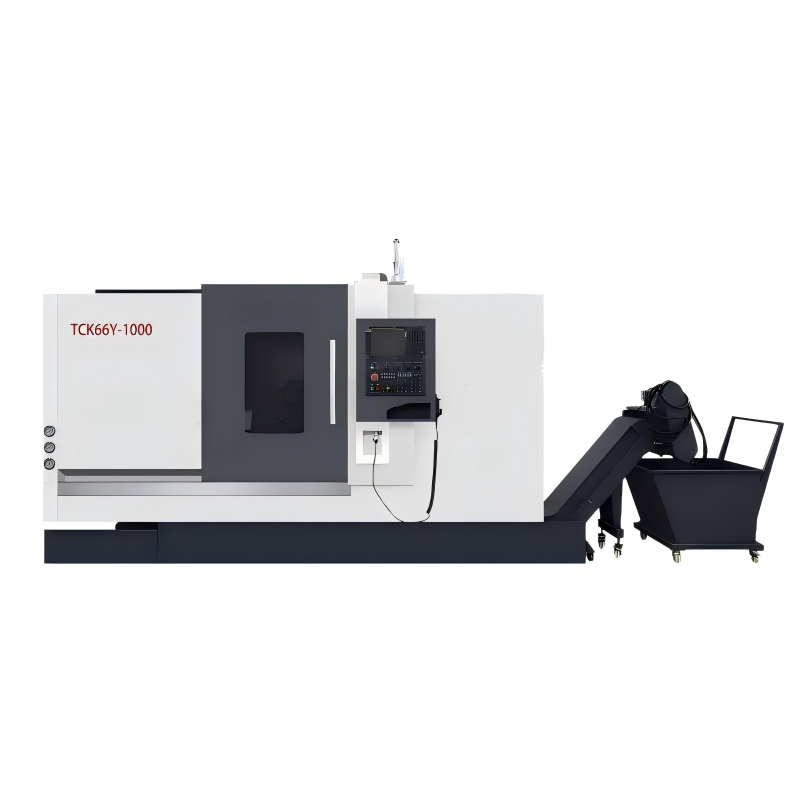
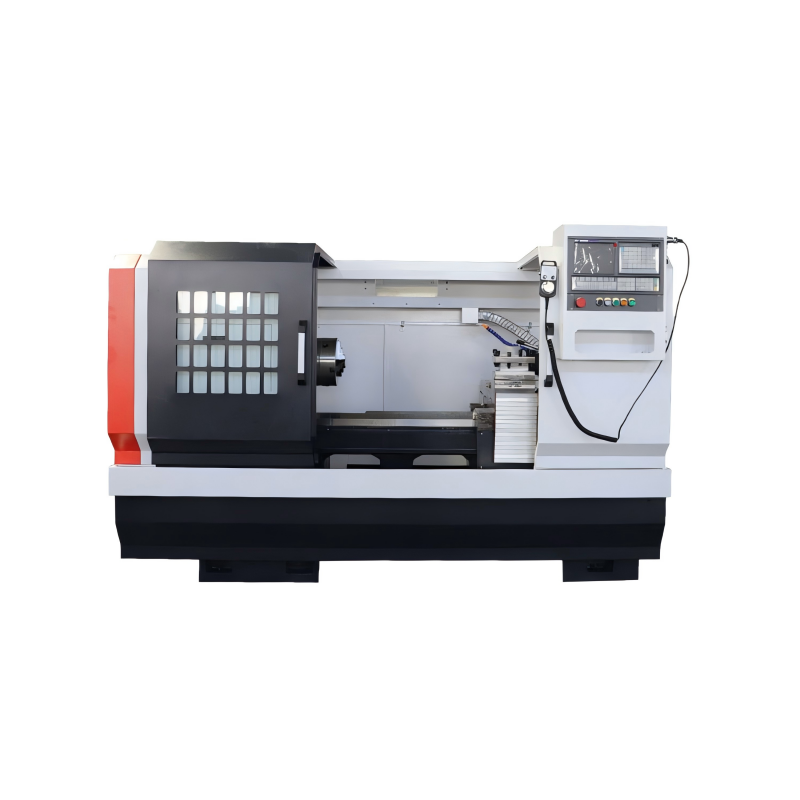
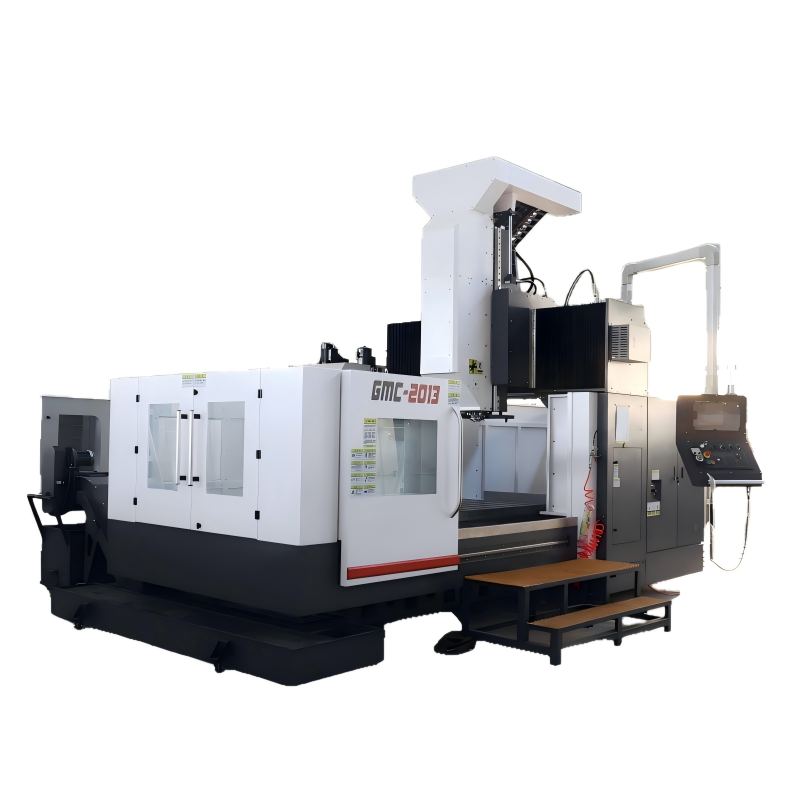
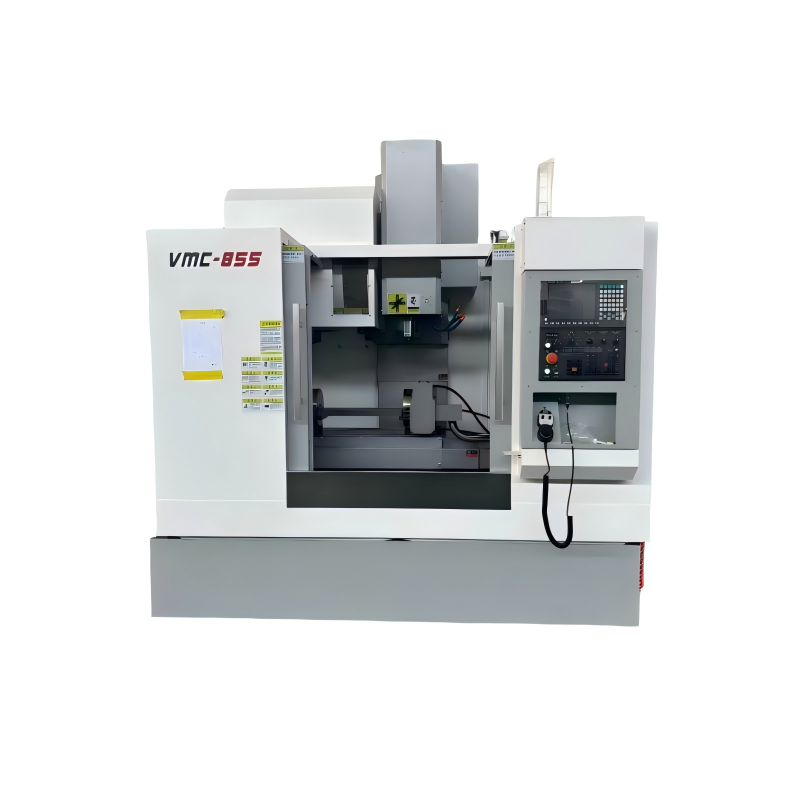
In the realm of industrial manufacturing, advancements in technology have consistently driven the evolution of machinery. One such innovation is the heavy duty CNC Lathe, a machine that has revolutionized the way we approach high-precision and high-volume production. Originating from a lineage of manual lathes, the integration of computer numerical control (CNC) systems has enabled these machines to perform complex operations with unprecedented accuracy and speed. A significant player in this field, Heavy duty CNC lathe supplier China, has been at the forefront, providing cutting-edge solutions that cater to a wide range of industries.
The transition from traditional to CNC lathes marks a pivotal shift towards automation and efficiency. This section delves into the historical development of CNC lathes, highlighting key milestones and technological breakthroughs. We will explore how these machines have evolved over time, emphasizing their increasing capabilities and the impact they have had on modern manufacturing processes.
Hard rail CNC lathes are distinguished by their robust construction and advanced features, which make them ideal for handling large and heavy workpieces. The hard rail design provides enhanced stability and rigidity, crucial for maintaining precision during high-speed operations. These machines are equipped with powerful spindles, advanced tool changers, and sophisticated control systems, all of which contribute to their superior performance.
One of the primary advantages of hard rail CNC lathes is their ability to handle a wide variety of materials, including metals, alloys, and even some non-metals. The rigid structure of the hard rail ensures minimal vibration and deflection, resulting in higher quality finishes and tighter tolerances. Additionally, the use of advanced software and control systems allows for seamless integration with other manufacturing processes, enhancing overall productivity and efficiency.
Another key feature is the modular design, which allows for easy customization and upgrades. This flexibility is particularly valuable in dynamic manufacturing environments where requirements can change rapidly. By offering a range of configurations and options, manufacturers can tailor their CNC lathes to meet specific needs, ensuring optimal performance and versatility.
Advanced turning technologies play a critical role in maximizing the productivity of heavy duty CNC lathes. Innovations such as live tooling, Y-axis capabilities, and multi-axis machining have expanded the range of operations that can be performed on a single machine. Live tooling, for example, enables simultaneous milling and turning, reducing the need for secondary operations and significantly decreasing cycle times.
Y-axis capabilities further enhance the machine's versatility by allowing off-center operations and complex part geometries. This is particularly useful in industries such as aerospace and automotive, where parts often require intricate designs and tight tolerances. Multi-axis machining, on the other hand, enables the production of highly complex components with multiple features, all in a single setup. This not only improves efficiency but also reduces the risk of errors and inconsistencies.
Additionally, the integration of smart manufacturing technologies, such as predictive maintenance and real-time monitoring, has further optimized the performance of heavy duty CNC lathes. These technologies enable operators to monitor the machine's condition, predict potential issues, and schedule maintenance proactively. This proactive approach minimizes downtime and ensures consistent performance, contributing to the overall reliability and longevity of the machine.
To illustrate the practical benefits of heavy duty CNC lathes, several case studies provide valuable insights. In one example, a leading manufacturer in the aerospace industry implemented a hard rail CNC lathe to produce critical engine components. The machine's advanced features, including live tooling and Y-axis capabilities, allowed for the efficient production of complex parts with high precision. As a result, the company achieved a 30% reduction in cycle times and a significant improvement in product quality.
Another case study involves a major automotive supplier that upgraded its production line with a series of heavy duty CNC lathes. The new machines were equipped with multi-axis capabilities and integrated with the company's existing manufacturing systems. This integration facilitated a seamless workflow, enabling the company to increase its production capacity by 25% while maintaining stringent quality standards.
These case studies highlight the transformative impact of heavy duty CNC lathes on various industries. By leveraging advanced technologies and innovative features, companies can achieve higher levels of efficiency, productivity, and quality, ultimately driving their competitive advantage in the global market.
As the demand for more efficient and versatile manufacturing solutions continues to grow, the future of CNC lathe technology looks promising. Emerging trends include the integration of artificial intelligence (AI) and machine learning (ML) algorithms to further enhance the capabilities of these machines. AI and ML can optimize tool paths, improve surface finishes, and even predict tool wear, leading to more intelligent and autonomous machining processes.
Another area of innovation is the development of hybrid machines that combine multiple functions, such as turning, milling, and grinding, in a single unit. These hybrid machines offer unparalleled flexibility and efficiency, enabling manufacturers to produce a wider range of parts with fewer setups and reduced lead times. Additionally, advancements in materials science and the use of lightweight, yet durable, materials in the construction of CNC lathes are expected to further improve their performance and sustainability.
Finally, the push towards Industry 4.0 and the Internet of Things (IoT) is driving the development of connected and data-driven manufacturing ecosystems. Smart factories, powered by IoT devices and cloud-based platforms, will enable real-time data sharing, remote monitoring, and predictive analytics, transforming the way we manage and operate CNC lathes. These innovations will not only enhance the efficiency and productivity of heavy duty CNC lathes but also pave the way for a more sustainable and resilient manufacturing sector.
 19/06/2026
In the rapidly evolving landscape of manufacturing, heavy duty CNC lathes have become indispensable tools for producing high-precision components. As a key player in the global market, China has emerged as a significant supplier of these advanced machines
Read More19/06/2026Introduction to Heavy Duty CNC LathesIn the world of industrial manufacturing, precision and efficiency are paramount. A heavy duty CNC (Computer Numerical Control) lathe is an essential tool for producing high-precision parts with complex geometries. The
Read More19/06/2026Introduction to Heavy Duty CNC Lathes in the Chinese MarketThe manufacturing landscape is witnessing a significant transformation, with heavy duty CNC lathes playing a crucial role in this evolution. As one of the world's leading manufacturers, China has
Read More19/06/2026With the rapid advancement in technology, CNC (Computer Numerical Control) machining has become an indispensable part of modern manufacturing. This report explores the future of CNC machining and the pivotal role that Chinese suppliers, particularly those
Read More19/06/2026As the manufacturing industry continues to evolve, the demand for high-precision and robust machinery has never been more critical. Among the essential tools in this sector, heavy duty CNC lathes stand out as indispensable. This report aims to provide a c
Read More19/06/2026In the world of manufacturing, selecting the right heavy duty CNC lathe supplier from China is crucial for ensuring productivity, efficiency, and the overall success of your operations. The term "heavy duty CNC lathe supplier China" refers to companies th
Read More18/06/2026In the realm of precision engineering, the demand for high-quality components that meet stringent specifications is ever-increasing. One of the critical processes in this domain is deep hole machining, which is particularly essential for long shafts. This
Read More18/06/2026Heavy duty CNC lathes play a crucial role in the manufacturing industry, especially for producing large, complex, and precision components. When it comes to sourcing these machines from China, it is essential to evaluate potential suppliers carefully to e
Read More18/06/2026Over the past few decades, China has emerged as a global leader in the manufacturing industry, particularly in the production of heavy-duty CNC lathes. These machines are essential for various industrial applications, from automotive to aerospace, where p
Read More18/06/2026When it comes to sourcing a heavy duty CNC lathe from China, the decision-making process can be quite intricate. With the rapid advancements in manufacturing technology, selecting the right machine is crucial for ensuring productivity, precision, and long
Read More18/06/2026As the manufacturing industry continues to evolve, companies are constantly on the lookout for ways to improve their processes, increase productivity, and reduce costs. One of the key areas where advancements have been made is in the field of Computer Num
Read More18/06/2026When it comes to the manufacturing industry, a heavy duty CNC lathe is an indispensable tool for producing high-precision parts. This guide aims to provide comprehensive insights into purchasing a heavy duty CNC lathe from China, ensuring that you make an
Read More18/06/2026China, a country that has been at the forefront of technological advancements, has seen significant transformations in its manufacturing sector. One of the key drivers behind this transformation is the adoption of Computer Numerical Control (CNC) technolo
Read More17/06/2026Choosing the right heavy duty CNC lathe supplier in China is a critical decision for any manufacturing business. This guide aims to provide a comprehensive overview of the key factors and considerations that should influence your selection process, ensuri
Read More17/06/2026As the global manufacturing landscape continues to evolve, the importance of sourcing high-quality, reliable machinery becomes increasingly apparent. One such piece of equipment that plays a pivotal role in the production process is the heavy duty CNC lat
Read More17/06/2026In the modern manufacturing landscape, heavy duty CNC lathes play a pivotal role in producing high-precision components. These machines are essential for industries such as automotive, aerospace, and heavy machinery. As China has become a global hub for m
Read More17/06/2026With the rapid development of manufacturing technology, CNC (Computer Numerical Control) lathes have become indispensable in modern industrial production. When it comes to selecting a heavy duty CNC lathe supplier China, there are several key consideratio
Read More17/06/2026Identifying a trustworthy heavy duty CNC lathe supplier in China is crucial for ensuring the quality and efficiency of your manufacturing processes. With numerous suppliers available, it's essential to conduct thorough research and evaluation to make an i
Read More17/06/2026China has emerged as a leading global supplier of heavy duty CNC lathes, playing a crucial role in the manufacturing industry. With advancements in technology and a strong emphasis on quality, Chinese suppliers have become reliable partners for businesses
Read More16/06/2026In the realm of precision manufacturing, selecting the right heavy duty CNC lathe supplier in China is a decision that can significantly impact the efficiency, productivity, and quality of your operations. This report aims to guide you through the process
Read More16/06/2026When it comes to the manufacturing industry, precision and reliability are paramount. One of the key pieces of equipment that plays a crucial role in achieving these standards is the Heavy duty CNC lathe. These machines are designed to handle large, compl
Read More16/06/2026With the rapid advancement of manufacturing technologies, heavy duty CNC lathes have become an indispensable part of many industries. These machines are designed to handle large and complex parts with precision and efficiency, making them a critical inves
Read More16/06/2026Understanding the Basics of Heavy Duty CNC LattesWhen it comes to high-precision machining, a heavy duty CNC lathe is an indispensable tool. These machines are designed for durability and efficiency, making them suitable for large-scale industrial applica
Read More16/06/2026With the rapid advancement in manufacturing technologies, the demand for high-precision and heavy-duty CNC lathes has surged. China, being a global leader in machinery production, has become a go-to destination for businesses seeking reliable and cost-eff
Read More16/06/2026When it comes to equipping your workshop with the right machinery, choosing a heavy duty CNC lathe is a decision that can significantly impact productivity and efficiency. A heavy duty CNC lathe supplier China offers a wide range of options, each designed
Read MoreOur professional sales team is always ready to assist you.