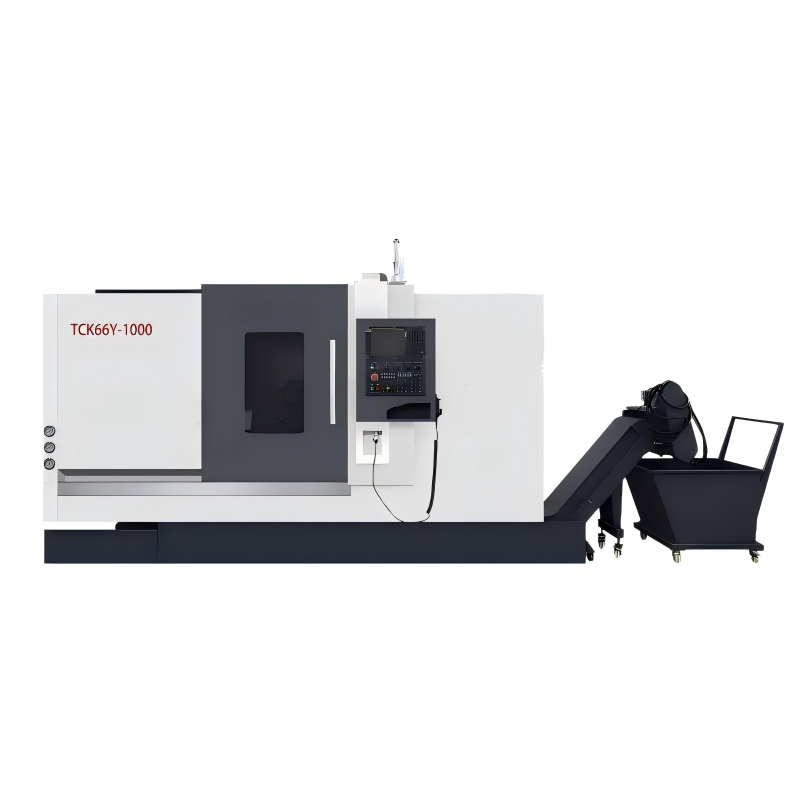
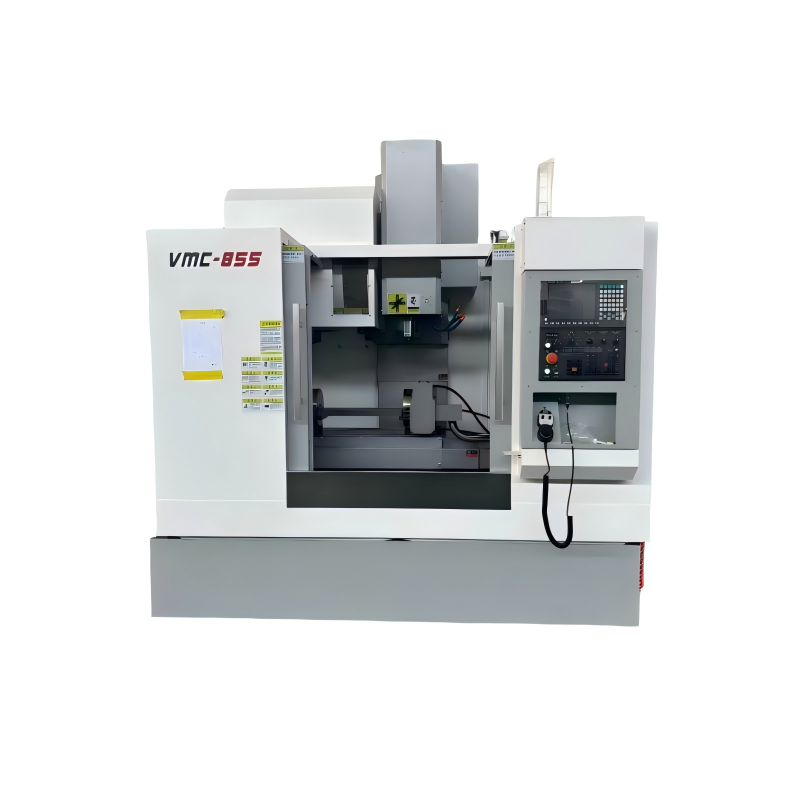
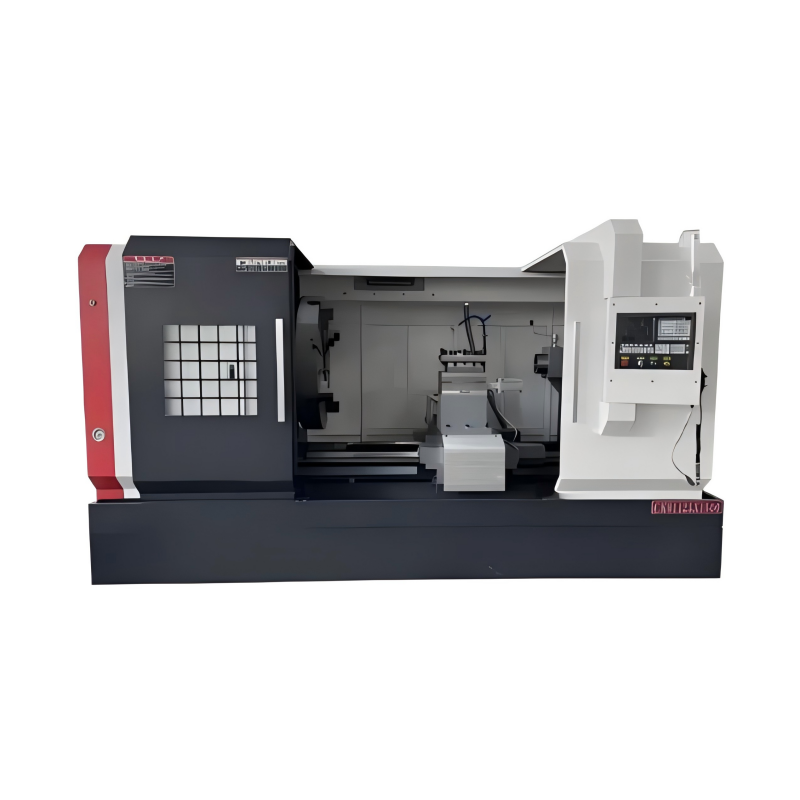
In the realm of industrial manufacturing, precision and efficiency are paramount. A CNC pipe thread cutting machine is a specialized tool designed to meet these demands, ensuring that pipes and tubes are accurately threaded for various applications. This guide aims to provide a comprehensive overview of selecting the right CNC pipe thread cutting machine, covering key aspects such as machine capabilities, material compatibility, and maintenance requirements.
The first step in choosing the right CNC pipe thread cutting machine is to understand its capabilities. These machines are equipped with advanced software and hardware that allow for precise and consistent threading. Key features to consider include:
By carefully evaluating these capabilities, you can ensure that the selected machine meets your specific threading needs.
One of the critical factors in selecting a CNC pipe thread cutting machine is its ability to work with different materials. The machine must be robust enough to handle the varying properties of materials, such as hardness, tensile strength, and thermal conductivity. Here are some considerations:
By focusing on these aspects, you can select a machine that not only handles a variety of materials but also remains durable and reliable over time.
Maintaining a CNC pipe thread cutting machine is crucial for ensuring its optimal performance and longevity. Regular maintenance and support are essential to keep the machine running smoothly. Here are some key points to consider:
By prioritizing maintenance and support, you can maximize the uptime and efficiency of your CNC pipe thread cutting machine, ensuring it remains a valuable asset in your production process.
Investing in a CNC pipe thread cutting machine is a significant decision, and it’s important to conduct a thorough cost-benefit analysis to ensure a positive return on investment (ROI). Here are some factors to consider:
By conducting a detailed cost-benefit analysis, you can make an informed decision that aligns with your business goals and financial constraints.
Selecting the right CNC pipe thread cutting machine is a multifaceted process that requires careful consideration of various factors. By understanding the machine’s capabilities, evaluating material compatibility and durability, and prioritizing maintenance and support, you can make an informed decision. Additionally, conducting a cost-benefit analysis will help ensure that your investment provides a positive ROI. With the right machine, you can achieve precision, efficiency, and reliability in your pipe threading operations, ultimately contributing to the success of your manufacturing processes.
 16/06/2026
Understanding the Importance of Regular MaintenanceMaintaining a CNC pipe thread cutting machine is not just about keeping it running; it's about ensuring its longevity and efficiency. A well-maintained machine can significantly reduce downtime, improve p
Read More16/06/2026In recent years, the advent of CNC (Computer Numerical Control) pipe thread cutting machines has significantly transformed how industries operate. These advanced systems not only streamline production processes but also enhance precision and efficiency, m
Read More16/06/2026In the ever-evolving landscape of manufacturing, the integration of advanced technologies plays a pivotal role in enhancing productivity and precision. One such technology that has significantly transformed the industry is the CNC (Computer Numerical Cont
Read More16/06/2026In the realm of precision engineering, advancements in technology have paved the way for more efficient and accurate manufacturing processes. One such innovation that stands out is the CNC pipe thread cutting machine. This article delves into the intricac
Read MoreOur professional sales team is always ready to assist you.