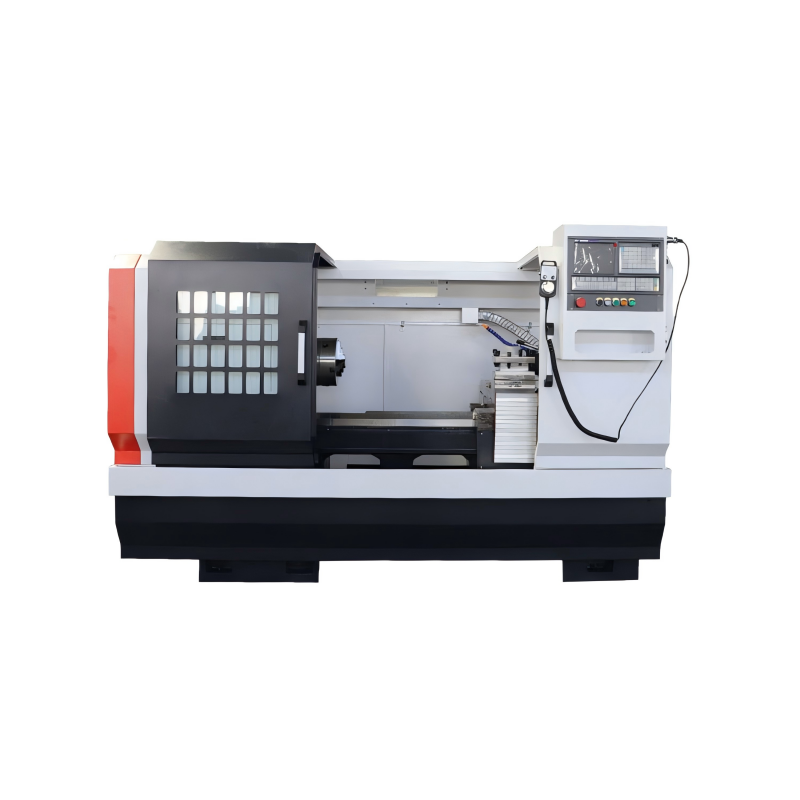
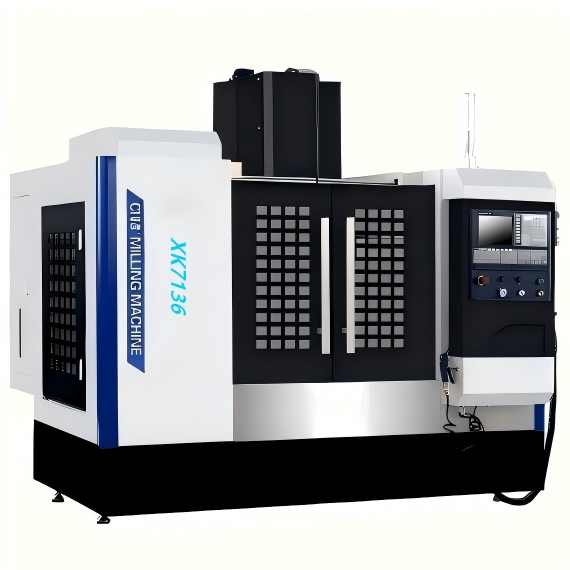
Maintaining a CNC pipe thread cutting machine is not just about keeping it running; it's about ensuring its longevity and efficiency. A well-maintained machine can significantly reduce downtime, improve product quality, and extend the life of the equipment. This section will explore why regular maintenance is crucial for your CNC pipe thread cutting machine.
Regular inspections and maintenance can help identify potential issues before they become major problems. By checking the alignment, lubrication, and wear of critical components, you can prevent unexpected breakdowns that could lead to costly repairs and production delays. Additionally, maintaining the machine ensures that it operates at optimal performance, which is essential for producing high-quality threads consistently.
To ensure that your CNC pipe thread cutting machine remains in top condition, it's important to regularly inspect and maintain several key components. These include the spindle, cutting tools, lubrication system, and control panel. Each of these parts plays a vital role in the overall performance of the machine, and neglecting any one of them can lead to suboptimal results.
The spindle is the heart of the machine, and its condition directly affects the precision of the threads. Regularly check for any signs of wear or misalignment, and ensure that it is properly lubricated. The cutting tools should be inspected for sharpness and wear, and replaced as needed to maintain the quality of the threads. The lubrication system is also crucial, as proper lubrication reduces friction and heat, which can otherwise cause damage to the machine. Finally, the control panel should be kept clean and free of dust, and all connections should be checked for tightness and integrity.
Proper lubrication and cleaning are essential for the smooth operation of a CNC pipe thread cutting machine. Lubricants reduce friction between moving parts, which helps to minimize wear and tear and prolong the life of the machine. It's important to use the correct type and amount of lubricant as specified by the manufacturer. Over-lubrication can be just as detrimental as under-lubrication, as it can attract contaminants and cause the machine to malfunction.
Cleaning the machine is equally important. Regularly removing debris, metal shavings, and other contaminants from the work area and internal components can prevent damage and ensure that the machine operates efficiently. Use a soft brush or compressed air to remove loose particles, and follow the manufacturer's guidelines for cleaning specific parts. Additionally, it's a good practice to cover the machine when it's not in use to protect it from dust and other environmental factors.
In addition to mechanical maintenance, it's crucial to keep the software and control systems of your CNC pipe thread cutting machine up to date. Software updates often include bug fixes, performance improvements, and new features that can enhance the machine's capabilities. Regularly updating the software ensures that your machine is running the latest and most efficient version, which can improve both productivity and accuracy.
Calibration is another important aspect of maintaining your CNC pipe thread cutting machine. Over time, the machine's settings can drift, leading to inaccuracies in the threads produced. Regular calibration checks and adjustments can help maintain the precision and consistency of the machine's output. Follow the manufacturer's recommended calibration procedures, and consider using external calibration tools to verify the accuracy of the machine.
Proper training and documentation are essential for the effective maintenance and operation of a CNC pipe thread cutting machine. Operators and maintenance personnel should be thoroughly trained on the machine's functions, safety protocols, and maintenance procedures. This includes understanding how to perform routine inspections, replace worn parts, and troubleshoot common issues.
Documentation, such as user manuals, maintenance logs, and troubleshooting guides, should be readily available and easily accessible. Keeping detailed records of maintenance activities, including dates, tasks performed, and any issues encountered, can help track the machine's performance and identify trends or recurring problems. This information can be invaluable for future reference and for ensuring that the machine continues to operate at its best.
Maintaining a CNC pipe thread cutting machine is a multifaceted process that requires attention to detail and a proactive approach. By regularly inspecting and maintaining key components, following best practices for lubrication and cleaning, keeping software and calibration up to date, and ensuring proper training and documentation, you can maximize the lifespan and efficiency of your machine. These efforts will not only save you time and money in the long run but also ensure that your CNC pipe thread cutting machine continues to produce high-quality threads consistently.
 16/06/2026
In recent years, the advent of CNC (Computer Numerical Control) pipe thread cutting machines has significantly transformed how industries operate. These advanced systems not only streamline production processes but also enhance precision and efficiency, m
Read More16/06/2026In the realm of industrial manufacturing, precision and efficiency are paramount. A CNC pipe thread cutting machine is a specialized tool designed to meet these demands, ensuring that pipes and tubes are accurately threaded for various applications. This
Read More16/06/2026In the ever-evolving landscape of manufacturing, the integration of advanced technologies plays a pivotal role in enhancing productivity and precision. One such technology that has significantly transformed the industry is the CNC (Computer Numerical Cont
Read More16/06/2026In the realm of precision engineering, advancements in technology have paved the way for more efficient and accurate manufacturing processes. One such innovation that stands out is the CNC pipe thread cutting machine. This article delves into the intricac
Read MoreOur professional sales team is always ready to assist you.