Understanding the Chinese CNC Lathe Market
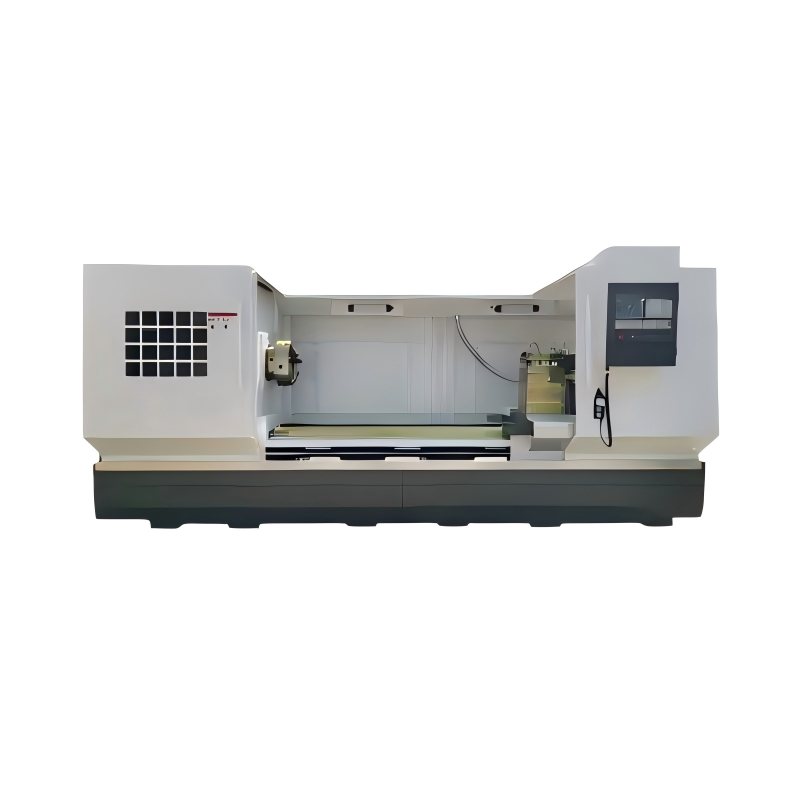
The global demand for precision machining tools has seen a significant uptick in recent years, with Chinese CNC Lathe exporter playing an increasingly important role in meeting this demand. This section will provide a detailed analysis of the current state of the Chinese CNC lathe industry, including its key players, market trends, and export dynamics. By understanding these factors, potential buyers can make more informed decisions when sourcing from a Chinese CNC lathe exporter.
One of the most striking features of the Chinese market is its rapid growth, driven by both domestic and international demands. As China continues to invest heavily in manufacturing and technology, the quality and capabilities of its CNC lathes have improved significantly. Today, many Chinese manufacturers are not only competing on price but also on the quality and innovation of their products. This shift towards higher-quality production is evident in the increasing number of certifications and standards that Chinese companies are now adhering to, ensuring that their lathes meet or exceed international benchmarks.
Evaluating Quality and Reliability: Key Considerations for Buyers
When sourcing from a Chinese CNC lathe exporter, it is crucial to evaluate the quality and reliability of the machines. This involves several key considerations, such as the materials used, the precision of the machinery, and the overall build quality. Additionally, buyers should look into the company’s reputation, customer reviews, and any available third-party certifications or test reports. These factors collectively provide a comprehensive picture of the product's performance and longevity.
Another important aspect is the after-sales support and service provided by the exporter. A reliable Chinese CNC lathe exporter will offer robust technical support, warranty coverage, and spare parts availability. This ensures that any issues that may arise during the machine's operation can be addressed promptly, minimizing downtime and maximizing productivity. Buyers should also inquire about the training and installation services offered, as these can significantly impact the efficiency and effectiveness of the lathe once it is in use.
Navigating the Export Process: From Inquiry to Delivery
The process of sourcing and importing a CNC lathe from a Chinese CNC lathe exporter can be complex, involving multiple steps and considerations. This section will guide you through each stage of the process, from initial inquiry to final delivery. The first step is to identify and contact potential suppliers. This can be done through trade shows, online directories, or referrals from other businesses. Once a list of potential suppliers is compiled, it is essential to conduct thorough due diligence, including requesting samples, visiting the factory (if possible), and reviewing all relevant documentation.
After selecting a supplier, the next step is to negotiate the terms of the purchase, including pricing, payment terms, and delivery schedules. It is advisable to work with a freight forwarder or logistics provider to handle the shipping and customs clearance processes. They can help ensure that all necessary documents, such as commercial invoices, packing lists, and certificates of origin, are correctly prepared and submitted. Finally, upon arrival, the lathe should be inspected for any damage or discrepancies before being installed and put into operation.
Cost Analysis and Budgeting: Maximizing Your Investment
One of the primary concerns for buyers is the cost of purchasing a CNC lathe from a Chinese CNC lathe exporter. While Chinese lathes are often more affordable than their Western counterparts, it is important to consider the total cost of ownership, which includes not only the purchase price but also operating costs, maintenance, and potential downtime. To maximize your investment, it is crucial to perform a detailed cost analysis and budgeting exercise.
This analysis should include the initial purchase price, shipping and handling fees, import duties and taxes, and any additional costs associated with installation and training. It is also important to factor in the long-term costs of maintenance and repairs, as well as the expected lifespan of the machine. By carefully considering these factors, buyers can make a more informed decision and choose a CNC lathe that offers the best value for their specific needs and budget.
Future Trends and Innovations in the CNC Lathe Industry
The CNC lathe industry is constantly evolving, with new technologies and innovations emerging regularly. For buyers, staying informed about these trends is essential for making future-proof investments. Some of the key trends in the industry include the integration of advanced automation and artificial intelligence (AI) technologies, which can significantly enhance the precision and efficiency of CNC lathes. Additionally, there is a growing focus on sustainability and energy efficiency, with many manufacturers developing eco-friendly models that reduce power consumption and minimize waste.
Another important trend is the increasing adoption of Industry 4.0 principles, which involve the use of data analytics, IoT (Internet of Things) devices, and cloud computing to optimize manufacturing processes. These technologies enable real-time monitoring and predictive maintenance, leading to improved performance and reduced downtime. By keeping an eye on these trends, buyers can ensure that they are investing in CNC lathes that are not only capable of meeting current demands but are also well-positioned to adapt to future changes in the industry.

 19/06/2026



