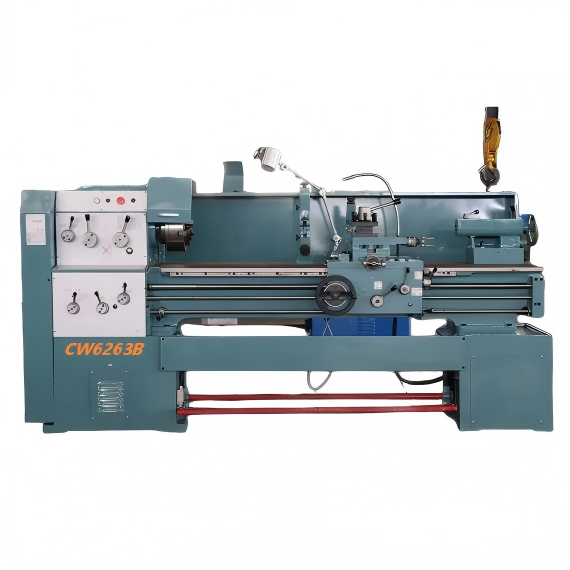
Maintaining your Horizontal Lathe Machine is not just a good practice; it's essential for ensuring its longevity and performance. A China lathe manufacturer, like many other manufacturers worldwide, emphasizes the importance of regular maintenance in their user manuals and technical guides. Proper maintenance can prevent unexpected breakdowns, reduce repair costs, and ensure that the machine operates at its optimal level. This section will explore the key reasons why maintaining your horizontal lathe should be a top priority.
Firstly, regular maintenance helps in identifying and addressing minor issues before they escalate into major problems. For instance, checking and replacing worn-out parts such as belts or bearings can prevent sudden failures that could lead to downtime and increased operational costs. Secondly, well-maintained machines are more efficient, which translates to higher productivity and better quality output. Finally, maintenance also ensures safety, as poorly maintained machines pose a risk to operators and other personnel in the workshop.
When performing routine maintenance on a horizontal lathe, there are several key components that require close inspection. These include the spindle, ways, and lubrication system. The spindle is the heart of the lathe, responsible for rotating the workpiece. Regularly checking the spindle for signs of wear, such as excessive noise or vibration, can help in preventing catastrophic failures. Similarly, the ways, which guide the movement of the carriage and cross-slide, must be kept clean and properly aligned to ensure smooth and accurate operation.
The lubrication system is another critical component. Adequate lubrication is necessary to reduce friction between moving parts, thereby extending the life of the machine and improving its performance. It's important to check the oil levels regularly, change the oil as per the manufacturer’s recommendations, and inspect the lubrication lines for any blockages or leaks. Additionally, the coolant system, if present, should also be checked and maintained to prevent overheating and ensure proper chip evacuation.
To keep your horizontal lathe in top condition, follow these step-by-step instructions for basic maintenance tasks:
By following these steps, you can ensure that your horizontal lathe remains in excellent working condition, providing reliable and efficient service for years to come.
For those looking to go beyond basic maintenance, advanced techniques can further enhance the performance and longevity of your horizontal lathe. One such technique is dynamic balancing. Unbalanced spindles can cause vibrations, leading to poor surface finishes and increased wear on the machine. By using a dynamic balancer, you can identify and correct imbalances, resulting in smoother operation and improved part quality.
Another advanced technique is precision alignment. Over time, the ways and other critical components of the lathe can become misaligned due to wear and tear. Using precision measuring tools such as laser alignment systems, you can realign the ways and other components to within tight tolerances. This not only improves the accuracy of the machine but also reduces the risk of premature wear and tear.
Finally, consider implementing a predictive maintenance program. By using sensors and data analytics, you can monitor the health of your lathe in real-time. This allows you to detect potential issues before they become critical, enabling you to schedule maintenance at the most convenient times and minimize downtime. Predictive maintenance can also help in optimizing the lifespan of your machine by ensuring that it receives the right care at the right time.
Consistent and thorough maintenance is the key to maximizing the performance and lifespan of your horizontal lathe. By following the guidelines outlined in this comprehensive guide, you can ensure that your machine remains in top condition, delivering high-quality results and minimizing downtime. Remember, a well-maintained lathe is not only more efficient and productive but also safer for operators and other personnel in the workshop. Investing time and effort in regular maintenance is an investment in the long-term success of your operations.
 09/06/2026
China, a global leader in manufacturing, has established itself as a reliable source for a wide range of industrial machinery, including lathe machines. These machines, which are essential for various machining processes, have seen significant advancement
Read More09/06/2026When it comes to investing in a high-quality horizontal lathe machine, especially from a reputable China lathe manufacturer, there are several key features that you should consider. These features not only ensure the longevity and reliability of the machi
Read More09/06/2026When it comes to equipping your workshop with the right machinery, choosing a horizontal lathe machine is one of the most critical decisions. A well-chosen lathe can significantly enhance productivity, precision, and overall efficiency in your operations.
Read More09/06/2026China has long been recognized as a major player in the global manufacturing industry, and its role in shaping the global lathe machine industry is no exception. With a strong focus on innovation, quality, and cost-effectiveness, China lathe manufacturers
Read More06/06/2026As the global market continues to evolve, manufacturers across all sectors are seeking ways to stay competitive while maintaining high standards of quality and efficiency. In this context, China lathe manufacturers have emerged as key players, offering ad
Read More06/06/2026China lathe manufacturer has been a pivotal player in the global machinery industry, offering innovative solutions from design to delivery. This report delves into the journey of a China lathe manufacturer, highlighting key stages and processes that contr
Read More05/06/2026In today’s globalized manufacturing landscape, the selection of a reliable lathe manufacturer is crucial for businesses aiming to maintain high standards of production efficiency and product quality. This report delves into why numerous enterprises across
Read More05/06/2026In the ever-evolving world of manufacturing, precision and efficiency are paramount. Among the many players in this field, a China lathe manufacturer stands out for its commitment to quality and innovation. This technical report aims to unveil the secrets
Read More04/06/2026When it comes to choosing a China lathe manufacturer, the decision can significantly impact your production efficiency, product quality, and overall business success. This report aims to guide you through the top considerations that should influence your
Read More04/06/2026Choosing the right China lathe manufacturer is crucial for businesses aiming to enhance their production capabilities while ensuring quality and cost-effectiveness. This technical report aims to guide you through the process of discovering the best China
Read More04/06/2026Exploring the capabilities of a horizontal lathe machine reveals a world of precision, efficiency, and versatility. This technical report delves into the core functionalities and advanced features that make horizontal lathes indispensable in modern manufa
Read More04/06/2026China has long been a global leader in the manufacturing industry, particularly when it comes to precision machinery such as CNC lathes. The country's vast pool of skilled labor, advanced technological capabilities, and competitive pricing have made it a
Read More04/06/2026The Historical Context of China Lathe ManufacturerIn the intricate world of manufacturing, the evolution of precision is a testament to human ingenuity and technological advancement. A China lathe manufacturer has played a pivotal role in this journey, co
Read More04/06/2026When it comes to selecting a China lathe manufacturer, the process can be quite daunting, especially for those who are not well-versed in the intricacies of machine tools. This comprehensive guide aims to provide you with a structured approach to choosing
Read More03/06/2026As a leading China lathe manufacturer, our company has established itself as a reliable and innovative provider of high-precision machining solutions. This report aims to highlight the key aspects that set us apart in the industry, focusing on our experti
Read More03/06/2026In the ever-evolving landscape of manufacturing, the role of precision machinery cannot be overstated. Among these, lathes, a fundamental tool in machining, have seen significant advancements. This report delves into how a China lathe manufacturer is shap
Read More02/06/2026Introduction to China Lathe Manufacturing ExcellenceThe rise of China as a global manufacturing powerhouse has been nothing short of spectacular. Among the many industries that have seen significant growth, the machine tool sector, particularly lathe manu
Read More02/06/2026As the manufacturing industry continues to evolve, finding a reliable and efficient China lathe manufacturer is crucial for businesses looking to stay competitive. This report aims to explore the leading China lathe manufacturer in 2023, providing insight
Read More02/06/2026In the rapidly evolving world of manufacturing, China lathe manufacturer has taken a significant step forward by embracing advanced CNC (Computer Numerical Control) technology. This report delves into how this integration not only enhances productivity bu
Read More02/06/2026In the rapidly evolving landscape of manufacturing, finding a reliable China lathe manufacturer is crucial for businesses aiming to optimize their production processes. This report delves into the key factors that make a leading China lathe manufacturer s
Read More02/06/2026China has long been a leader in the manufacturing industry, and one of its most prominent sectors is the production of lathes. A China lathe manufacturer is not just another player in the global market; it represents a significant force that is constantly
Read MoreOur professional sales team is always ready to assist you.