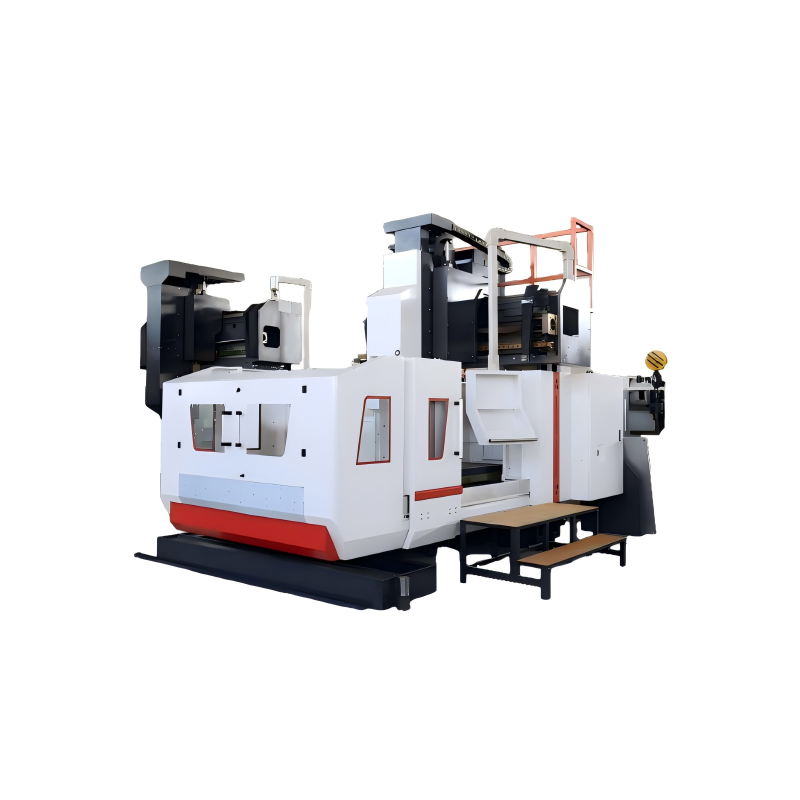
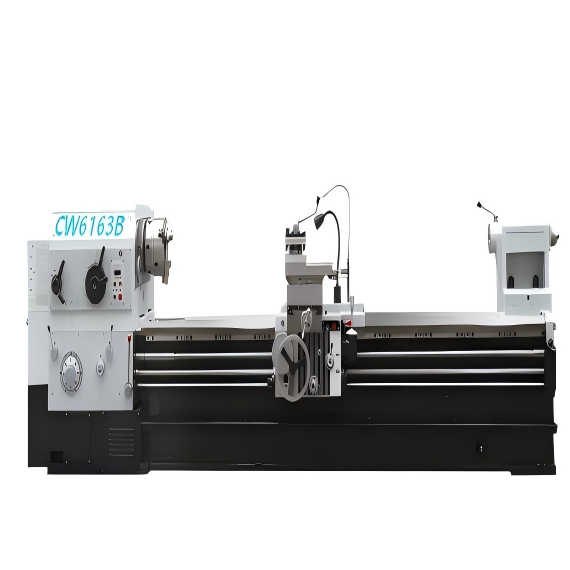
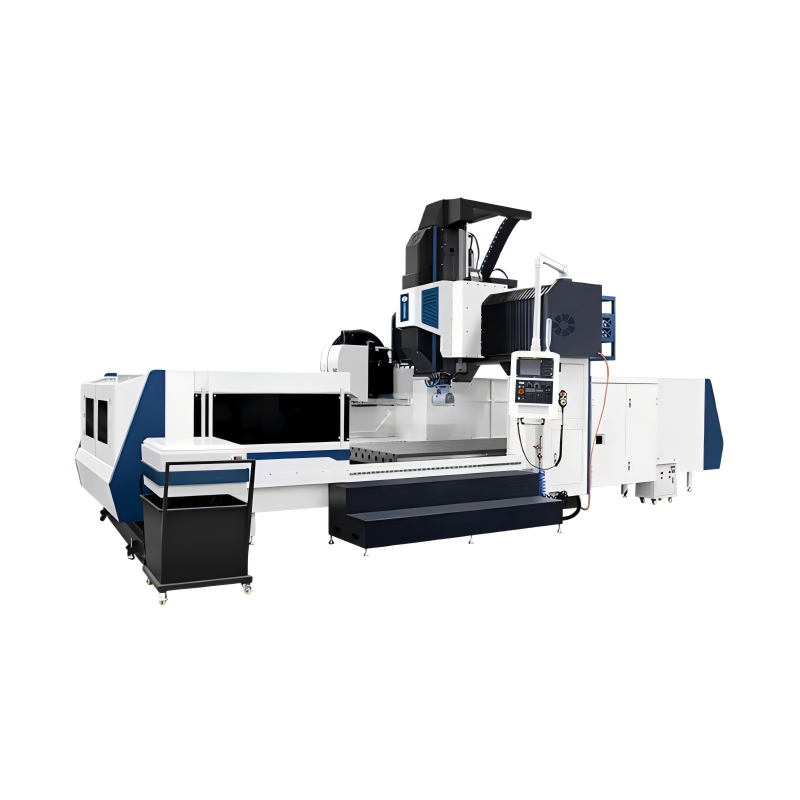
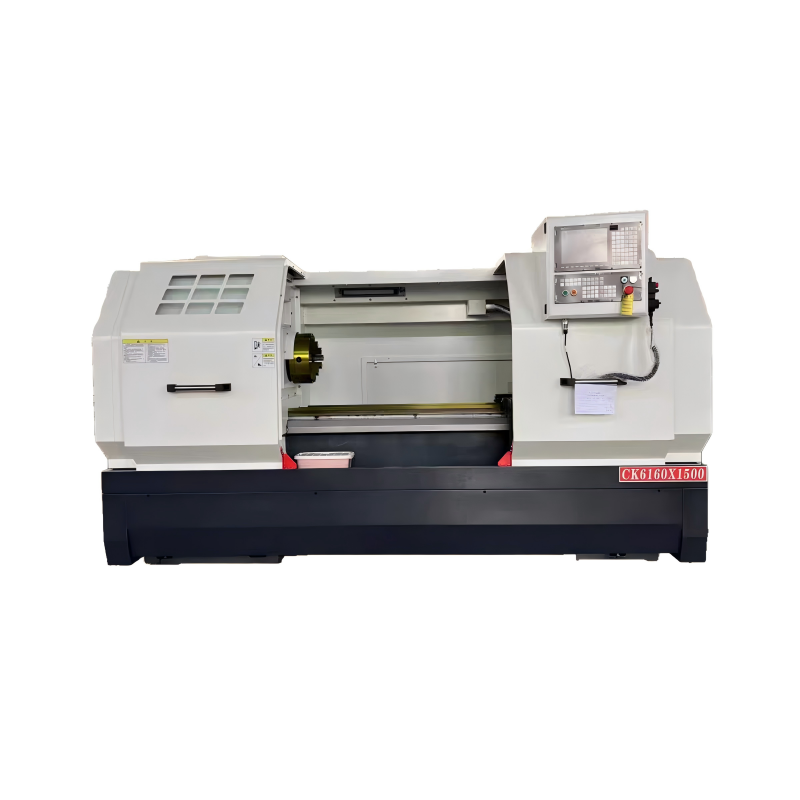
In this comprehensive guide, we will delve into the intricate world of multi-axis CNC workcells, providing an in-depth look at their design, functionality, and applications. The multi-axis CNC workcell is a sophisticated manufacturing system that enables high-precision machining with multiple axes of motion. This guide aims to cover the essential aspects of these advanced systems, including their components, advantages, and the key considerations for implementation. By the end of this document, readers will have a solid understanding of how multi-axis CNC workcells can revolutionize modern manufacturing processes.
A multi-axis CNC workcell is a fully integrated manufacturing system designed to perform complex machining operations. It typically consists of a CNC machine, a tool changer, a workpiece handling system, and a control system. The CNC machine itself is equipped with multiple axes, allowing for simultaneous movement along different directions, which is crucial for achieving high-precision and complex geometries.
Multi-axis CNC machines can be classified into several types based on the number and configuration of their axes. Common configurations include 3+2 axis, 4-axis, and 5-axis machines. Each type has its own set of capabilities and is suited for specific applications. For example, 5-axis machines are ideal for highly complex parts with intricate contours, while 3+2 axis machines offer a more cost-effective solution for less complex parts.
One of the primary advantages of multi-axis CNC workcells is their ability to achieve high levels of precision and accuracy. The multiple axes of motion allow for precise control over the cutting tool, enabling the creation of complex and intricate parts with tight tolerances. This is particularly important in industries such as aerospace, medical, and automotive, where precision is critical.
Multi-axis CNC workcells significantly enhance productivity and efficiency by reducing the need for manual setup and repositioning of the workpiece. The ability to perform multiple operations in a single setup reduces cycle times and minimizes the risk of errors. Additionally, the automation of tool changes and workpiece handling further streamlines the production process, leading to higher throughput and reduced labor costs.
Implementing a multi-axis CNC workcell requires a significant initial investment. The cost includes not only the CNC machine but also the associated equipment such as tool changers, workpiece handling systems, and control software. A thorough cost analysis should be conducted to evaluate the return on investment (ROI) and ensure that the system is economically viable. Factors such as production volume, part complexity, and the potential for increased revenue should be considered.
Operating a multi-axis CNC workcell requires specialized skills and knowledge. Operators must be trained to program and operate the machine, as well as to understand the intricacies of multi-axis machining. Training programs should be implemented to ensure that operators are proficient in using the workcell effectively. Additionally, ongoing training and support may be necessary to keep up with new technologies and techniques.
Multi-axis CNC workcells are widely used in high-precision industries such as aerospace, medical, and automotive. In the aerospace industry, these workcells are used to manufacture critical components such as engine parts and structural components. In the medical industry, they are used to produce surgical instruments and implants with exacting standards. In the automotive industry, multi-axis CNC workcells are used to create complex parts such as engine blocks and transmission housings.
Another key application of multi-axis CNC workcells is in custom manufacturing and prototyping. These workcells are capable of producing one-off or small-batch parts with high precision and quality. This makes them ideal for rapid prototyping and product development, where quick turnaround times and high-quality results are essential. Custom manufacturing also benefits from the flexibility and versatility of multi-axis CNC workcells, allowing for the production of unique and specialized parts.
The future of multi-axis CNC workcells lies in the integration of advanced technologies such as artificial intelligence (AI), machine learning, and the Internet of Things (IoT). AI and machine learning can be used to optimize machining parameters, predict maintenance needs, and improve overall efficiency. IoT can enable real-time monitoring and data collection, allowing for better decision-making and predictive maintenance. These technologies will make multi-axis CNC workcells even more efficient and reliable.
As sustainability becomes an increasingly important factor in manufacturing, there is a growing focus on making multi-axis CNC workcells more energy-efficient and environmentally friendly. This includes the use of energy-efficient drives and motors, as well as the implementation of regenerative braking systems. Additionally, the use of lightweight materials and optimized designs can reduce the overall power consumption of the workcell. These efforts not only contribute to a greener manufacturing process but also help to reduce operating costs.
This comprehensive guide has provided a detailed overview of multi-axis CNC workcells, covering their basics, advantages, key considerations, applications, and future trends. By understanding these aspects, manufacturers can make informed decisions about implementing and utilizing multi-axis CNC workcells to enhance their production capabilities and stay competitive in the ever-evolving manufacturing landscape.
 05/06/2026
In the realm of advanced manufacturing, the multi-axis CNC workcell stands out as a pinnacle of precision and versatility. This report delves into the capabilities of such a system, exploring its potential to transform production processes through enhance
Read More05/06/2026In the realm of modern manufacturing, precision and efficiency are paramount. The integration of multi-axis CNC workcells has revolutionized how complex parts are machined, offering unparalleled accuracy and versatility. This report delves into the transf
Read More05/06/2026A Comprehensive Guide to Choosing the Right Multi-Axis CNC Workcell offers an in-depth analysis of the key factors that influence the selection process for multi-axis CNC workcells. This guide is designed to help manufacturers and engineers make informed
Read More05/06/2026In the rapidly evolving landscape of automotive manufacturing, multi-axis CNC workcells have emerged as a transformative force, significantly enhancing production efficiency, precision, and flexibility. These advanced systems are not only revolutionizing
Read More04/06/2026With the rapid advancements in manufacturing technology, multi-axis CNC workcells have emerged as a game-changer, transforming industries by enhancing productivity, precision, and flexibility. These advanced systems are capable of performing complex opera
Read More04/06/2026In the realm of modern manufacturing, multi-axis CNC workcells have emerged as a transformative force, reshaping how products are designed and produced. These advanced systems, which combine multiple axes of motion with computer numerical control (CNC), o
Read More04/06/2026In the realm of advanced manufacturing, the multi-axis CNC workcell stands out as a beacon of precision and flexibility. This technology integrates multiple axes of movement, allowing for complex geometries to be machined with unparalleled accuracy. The m
Read More04/06/2026In the rapidly evolving landscape of manufacturing, the integration of advanced technologies such as multi-axis CNC workcells is reshaping the industry. These sophisticated systems are not only enhancing productivity and precision but also enabling manufa
Read More04/06/2026In today's competitive manufacturing landscape, maximizing efficiency is crucial for staying ahead. A multi-axis CNC workcell offers a powerful solution to enhance productivity and precision. This report explores the benefits of integrating a multi-axis C
Read More04/06/2026In the rapidly evolving landscape of manufacturing, multi-axis CNC (Computer Numerical Control) workcells are emerging as a transformative force. These advanced systems offer unparalleled precision, flexibility, and efficiency, making them indispensable i
Read More04/06/2026In today's manufacturing landscape, the selection of an appropriate multi-axis CNC workcell is critical for enhancing productivity, precision, and flexibility. This technical report aims to guide manufacturers through the process of choosing the right mul
Read More04/06/2026In today's fast-paced manufacturing environment, the integration of a multi-axis CNC workcell can significantly enhance productivity and efficiency. This report delves into how adopting such advanced machinery not only optimizes production processes but a
Read More04/06/2026In the rapidly evolving landscape of precision machining, the multi-axis CNC workcell stands out as a transformative technology. This advanced manufacturing solution not only enhances the efficiency and accuracy of production processes but also opens up n
Read More04/06/2026In the rapidly evolving landscape of modern manufacturing, the integration of multi-axis CNC workcells has become a game-changer. These advanced systems offer unparalleled precision, flexibility, and efficiency, enabling manufacturers to produce complex p
Read MoreOur professional sales team is always ready to assist you.