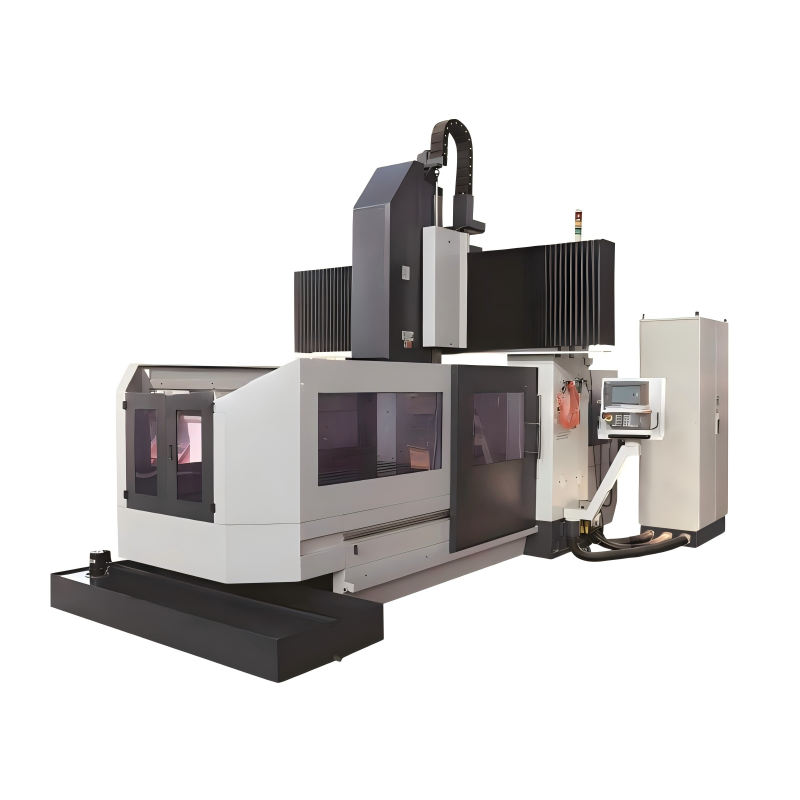
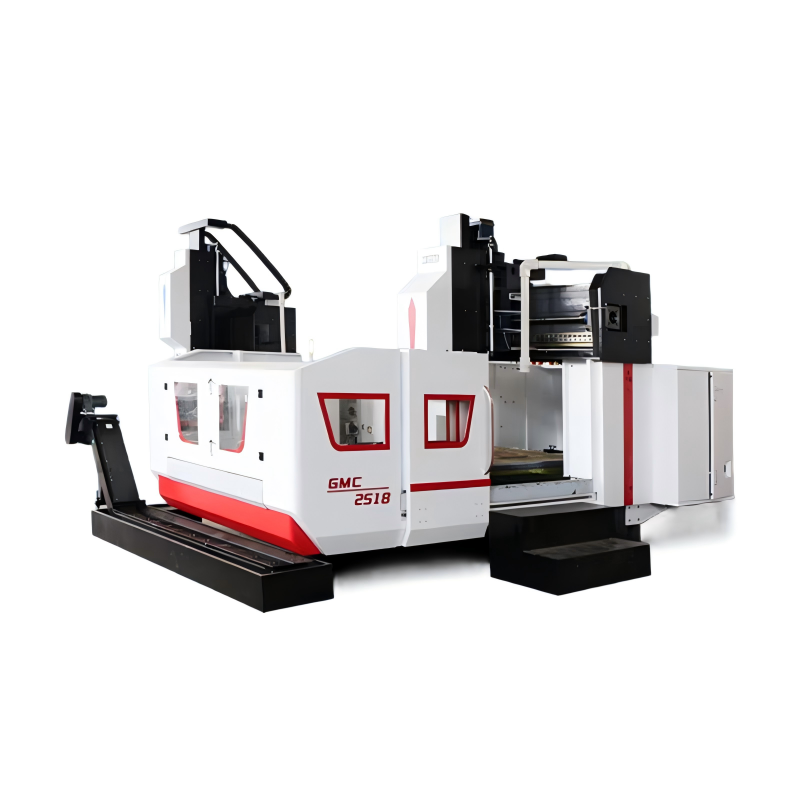
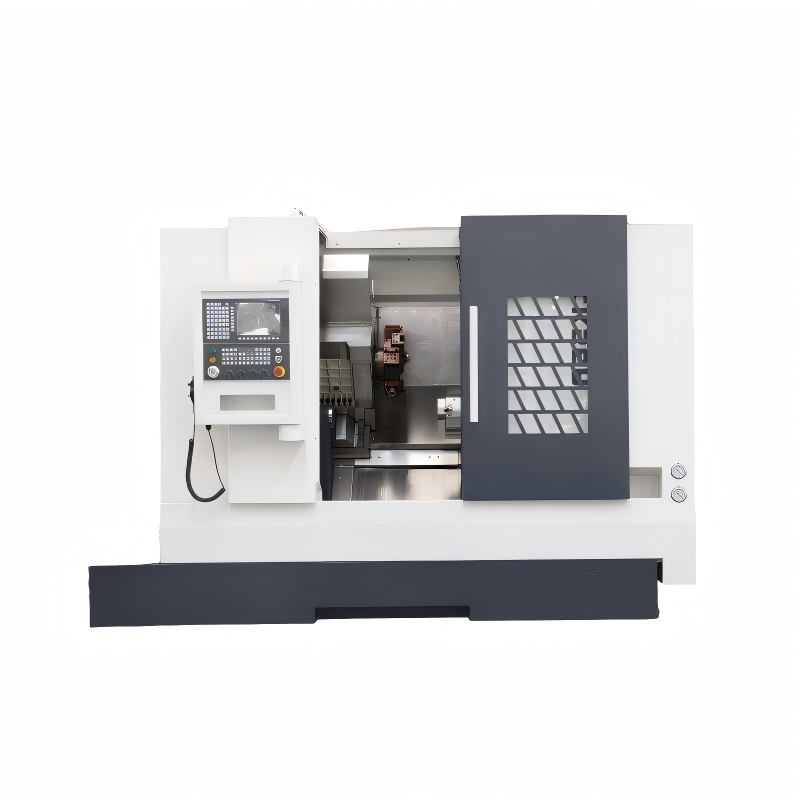
In the realm of precision engineering, high-precision milling machine tools play a pivotal role in achieving the exacting standards required for components and products across various industries. These machines are designed to deliver unparalleled accuracy, consistency, and surface finish, making them indispensable in the production of high-quality parts. This report delves into the significance of high-precision milling machines, exploring their impact on manufacturing processes, the technological advancements that have enhanced their capabilities, and the challenges and opportunities they present in the modern industrial landscape. By examining these aspects, we aim to provide a comprehensive understanding of how high-precision milling machines contribute to the advancement of precision engineering.
High-precision milling machine tools are engineered to achieve exceptional levels of accuracy and repeatability. The ability to consistently produce parts within tight tolerances is crucial in precision engineering, where even the slightest deviation can lead to significant performance issues. These machines utilize advanced control systems, such as CNC (Computer Numerical Control), which enable precise and repeatable movements. This ensures that each part manufactured meets the specified dimensions and quality standards, reducing the likelihood of defects and rework.
The quality of the surface finish is another critical aspect of precision engineering. High-precision milling machines are equipped with sophisticated cutting tools and techniques that can achieve extremely smooth and uniform surfaces. This is particularly important in applications where surface integrity directly affects the functionality and durability of the part. For example, in the aerospace industry, the surface finish of engine components must be flawless to ensure optimal performance and safety. High-precision milling machines, with their fine-tuned capabilities, are essential in meeting these stringent requirements.
One of the key advancements in high-precision milling machines is the integration of advanced sensors and feedback systems. These technologies allow for real-time monitoring and adjustment of the machining process, ensuring that any deviations from the desired parameters are immediately corrected. For instance, laser sensors can detect minute variations in the workpiece's position and adjust the tool path accordingly. This level of precision and adaptability significantly enhances the overall quality and efficiency of the manufacturing process.
The development of new and improved cutting tools has also played a crucial role in enhancing the capabilities of high-precision milling machines. Modern cutting tools, such as diamond-coated and ceramic inserts, offer superior wear resistance and thermal stability, allowing for higher cutting speeds and longer tool life. Additionally, the use of advanced coatings and materials has led to the creation of tools that can handle more complex geometries and harder materials, further expanding the range of applications for high-precision milling machines.
One of the primary challenges in high-precision milling is the variability in material properties and machinability. Different materials, such as titanium, stainless steel, and composites, have unique characteristics that can affect the machining process. For example, some materials may be highly abrasive or heat-sensitive, requiring specialized cutting tools and techniques. High-precision milling machines must be capable of adapting to these varying conditions to maintain the required level of precision. This often involves the use of advanced simulation software and material testing to optimize the machining parameters for each specific application.
Another challenge in maintaining the high-precision capabilities of milling machines is the need for regular maintenance and calibration. Over time, wear and tear can affect the machine's performance, leading to inaccuracies and inconsistencies in the parts produced. Regular maintenance, including the replacement of worn components and the recalibration of the machine's axes, is essential to ensure that the machine continues to operate at its peak performance. Additionally, the use of predictive maintenance technologies, such as condition monitoring and data analytics, can help identify potential issues before they become critical, thereby minimizing downtime and maximizing productivity.
The versatility and precision of high-precision milling machines open up new opportunities in various industries. As technology advances, there is a growing demand for high-precision components in fields such as medical devices, electronics, and renewable energy. For example, in the medical industry, the production of implantable devices and surgical instruments requires extremely precise and reliable manufacturing processes. High-precision milling machines can meet these demands, enabling the development of innovative and life-saving medical solutions.
The integration of high-precision milling machines with digital manufacturing and Industry 4.0 technologies presents significant opportunities for improving efficiency and flexibility in the manufacturing process. By connecting milling machines to a network of other smart devices and systems, manufacturers can achieve greater visibility and control over their operations. This includes the use of data analytics to optimize production schedules, predictive maintenance to reduce downtime, and cloud-based collaboration to facilitate design and manufacturing across multiple locations. These advancements not only enhance the capabilities of high-precision milling machines but also pave the way for more agile and responsive manufacturing environments.
 05/06/2026
In the realm of modern manufacturing, high-precision milling machine tools play a pivotal role in enhancing both productivity and accuracy. These advanced machines are not just tools; they are integral components that drive the efficiency and quality of p
Read More04/06/2026In the realm of aerospace engineering, where precision and reliability are paramount, high-precision milling machine tools play an indispensable role. These advanced machines offer unparalleled accuracy and consistency, which are crucial for manufacturing
Read More04/06/2026In the rapidly evolving landscape of modern manufacturing, high-precision milling machine tools have become indispensable for achieving superior quality and efficiency. These advanced machines are designed to meet the stringent requirements of industries
Read MoreOur professional sales team is always ready to assist you.