The advent of the Turning Hard Rail CNC Lathe has revolutionized precision machining across various industries. This guide aims to provide a comprehensive understanding of operating such machinery, ensuring operators can achieve optimal performance and maintain high standards of quality in their work.
Understanding the Basics of a Turning Hard Rail CNC Lathe
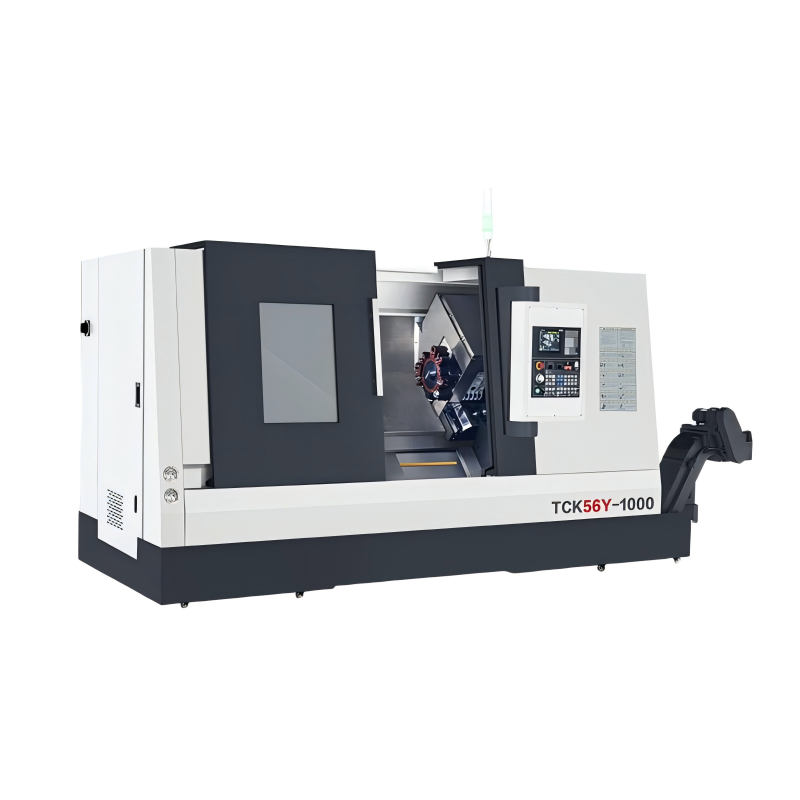
A Turning Hard Rail CNC Lathe is a sophisticated machine designed for the precise cutting and shaping of metal or other rigid materials. The "hard rail" refers to the robust construction of the lathe's bed, which provides stability and accuracy during operations. Unlike traditional lathes, a CNC (Computer Numerical Control) lathe is controlled by pre-programmed software, allowing for automated and highly accurate machining processes. Understanding the components, including the spindle, chuck, tool turret, and control panel, is crucial for effective operation.
Programming and Setup for Optimal Performance
Efficient programming is the cornerstone of successful operations on a Turning Hard Rail CNC Lathe. The process begins with creating or importing a part program, which is a set of instructions that dictate the machine’s movements and actions. Modern CNC lathes often come with user-friendly interfaces and software that simplify this step. However, it is essential to understand G-code, the language used to program these machines. Additionally, setting up the workpiece correctly, including proper clamping and alignment, is critical for achieving the desired results. Regular calibration and maintenance of the machine are also key to maintaining its precision and longevity.
Maintenance and Troubleshooting
Regular maintenance is vital to ensure the Turning Hard Rail CNC Lathe operates at its best. This includes routine cleaning, lubrication, and inspection of all moving parts. Operators should be familiar with the manufacturer's recommended maintenance schedule and adhere to it strictly. Troubleshooting common issues, such as tool wear, misalignment, or software errors, is another important aspect of machine operation. By addressing these issues promptly, operators can minimize downtime and maintain consistent production quality. Additionally, keeping detailed records of maintenance activities and any issues encountered can help in identifying patterns and preventing future problems.
In conclusion, mastering the operation of a Turning Hard Rail CNC Lathe requires a combination of technical knowledge, practical experience, and a commitment to regular maintenance. By following the guidelines outlined in this article, operators can ensure that their machines perform at their best, leading to higher productivity and better quality products.

 05/06/2026



