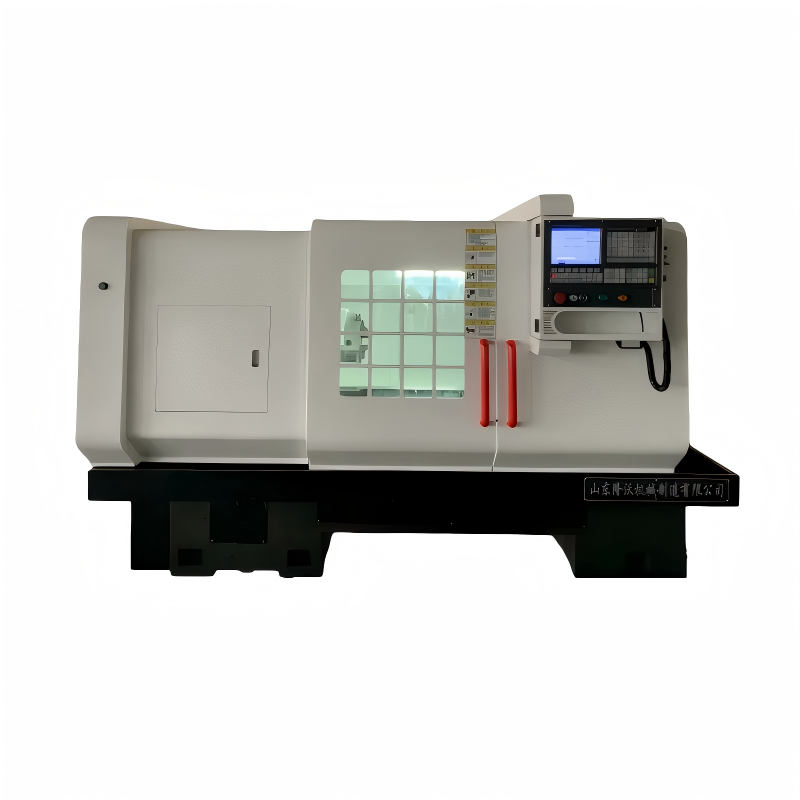
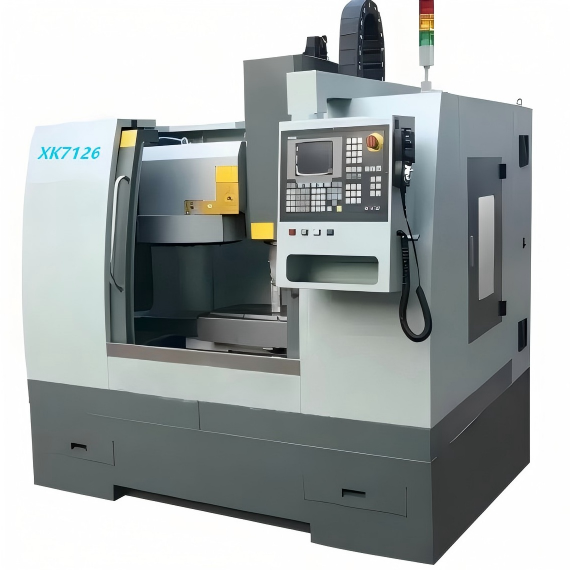
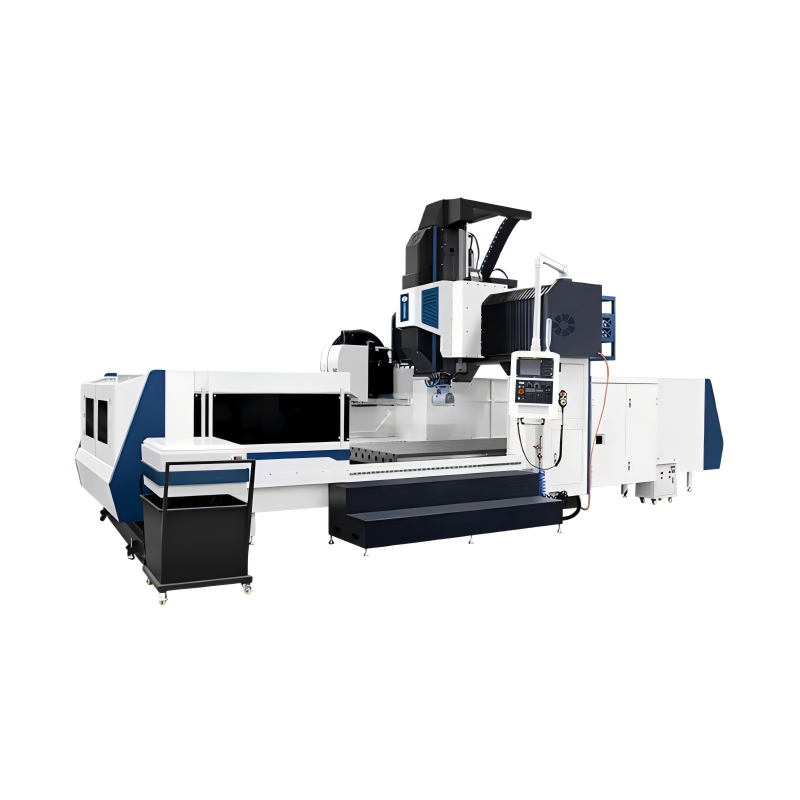
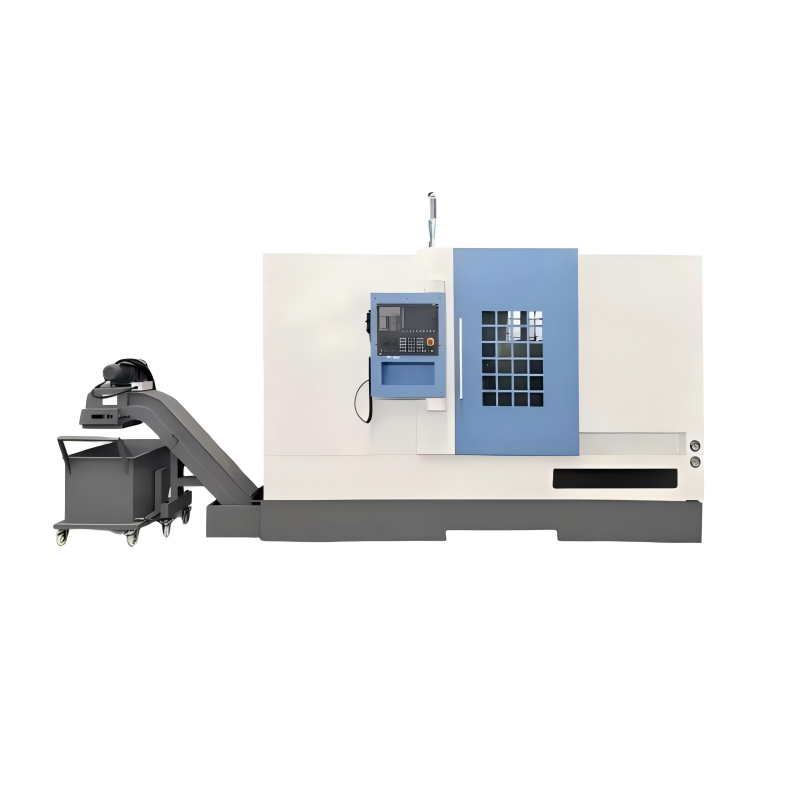
The 4 axis heavy horizontal Machining Center is a highly advanced piece of equipment, designed to handle complex parts with precision and efficiency. This report will delve into the key features and benefits that make this machine an indispensable tool in modern manufacturing environments. By exploring its capabilities, we aim to provide a comprehensive understanding of how it can transform production processes, particularly for industries requiring high-precision and complex part machining.
The 4 axis heavy Horizontal Machining Center excels in providing unparalleled precision, which is crucial for the manufacture of complex parts. At the heart of this capability lies its advanced control system. Modern control systems are equipped with sophisticated software that allows for precise control over all axes, including the fourth rotational axis. This additional axis enables the machine to perform intricate operations, such as helical milling or undercutting, without the need for manual intervention. The result is not only increased accuracy but also a significant reduction in cycle times, as the machine can execute multiple operations in a single setup. Furthermore, these systems often come with features like automatic tool changers and in-process probing, which further enhance the machine's ability to maintain tight tolerances throughout the machining process. In an era where product quality is paramount, the enhanced precision offered by a 4 axis heavy horizontal machining center can be a game-changer for manufacturers looking to stay ahead of the competition.
One of the most significant advantages of using a 4 axis heavy horizontal machining center is the substantial increase in productivity and efficiency it brings to the manufacturing process. Unlike traditional 3-axis machines, which require multiple setups to complete a part, a 4 axis machine can perform a wide range of operations in a single setup. This not only reduces the time spent on repositioning the workpiece but also minimizes the risk of errors that can occur during setup changes. Additionally, the 4th axis allows for continuous cutting, even when working on complex geometries, thereby reducing idle time and increasing overall throughput. Moreover, the heavy-duty construction of these machines ensures they can handle large and heavy workpieces, making them ideal for industries such as aerospace, automotive, and heavy machinery. The combination of robust design and advanced features makes the 4 axis heavy horizontal machining center a powerful tool for boosting productivity and efficiency in any manufacturing setting.
The 4 axis heavy horizontal machining center offers a level of flexibility that is unmatched by many other types of machining equipment. The addition of the 4th axis, which typically rotates around the X, Y, or Z axis, allows the machine to access and machine areas of the workpiece that would otherwise be difficult or impossible to reach. This capability is particularly valuable when dealing with complex geometries, such as those found in turbine blades, impellers, and other intricate components. The 4th axis can be programmed to rotate the workpiece at specific angles, enabling the machine to perform operations like contour milling, drilling, and tapping from multiple directions. This flexibility not only expands the range of parts that can be machined but also improves the overall quality of the finished product. For example, in the aerospace industry, where precision and complexity are critical, the 4 axis heavy horizontal machining center is often the preferred choice for manufacturing high-precision components. The ability to handle a wide variety of materials, from aluminum and steel to titanium and composites, further enhances the machine's versatility, making it a valuable asset in any manufacturing environment.
Another key benefit of the 4 axis heavy horizontal machining center is its ability to significantly reduce setup times, leading to increased throughput. Traditional 3-axis machines often require multiple setups to complete a part, which can be time-consuming and labor-intensive. In contrast, a 4 axis machine can perform a wide range of operations in a single setup, thanks to its additional rotational axis. This not only saves time but also reduces the risk of errors that can occur during setup changes. The 4th axis allows for continuous cutting, even when working on complex geometries, thereby minimizing idle time and maximizing overall productivity. Additionally, many 4 axis machines come equipped with features like automatic tool changers and in-process probing, which further streamline the machining process. These features enable the machine to automatically switch between different tools and perform real-time measurements, ensuring that the part is machined to the exact specifications. As a result, manufacturers can achieve higher throughput rates, meet tighter deadlines, and improve their overall operational efficiency. The reduced setup times and increased throughput provided by a 4 axis heavy horizontal machining center make it an invaluable tool for any manufacturer looking to optimize their production processes.
Effective material handling and fixture design are critical components of any successful machining operation, and the 4 axis heavy horizontal machining center excels in both areas. The robust construction of these machines, combined with their heavy-duty spindles and strong workholding solutions, allows them to handle a wide range of materials, from soft metals like aluminum to hard and tough materials like stainless steel and titanium. The 4th axis, in particular, plays a crucial role in material handling by enabling the workpiece to be rotated and positioned precisely, allowing for optimal access to all sides of the part. This is especially important when machining complex geometries, where the workpiece needs to be manipulated in multiple orientations. In terms of fixture design, the 4 axis heavy horizontal machining center offers several advantages. The 4th axis allows for the use of more versatile and efficient fixtures, which can hold the workpiece securely while still allowing for the necessary rotations. This not only improves the accuracy of the machining process but also reduces the time and effort required for setup. Additionally, many 4 axis machines come with advanced clamping systems, such as hydraulic or pneumatic clamps, which provide consistent and reliable workholding. These systems ensure that the workpiece remains stable and secure throughout the machining process, even when subjected to high cutting forces. The combination of advanced material handling and fixture design capabilities makes the 4 axis heavy horizontal machining center an ideal solution for manufacturers who need to produce high-precision, complex parts with consistency and reliability.
In conclusion, the 4 axis heavy horizontal machining center is a highly advanced and versatile piece of equipment that offers numerous benefits for the manufacturing of complex parts. Its enhanced precision, improved productivity, flexibility in machining complex geometries, reduced setup times, and advanced material handling and fixture design capabilities make it an essential tool for modern manufacturing. By leveraging these features, manufacturers can achieve higher quality, greater efficiency, and increased throughput, ultimately giving them a competitive edge in today’s fast-paced industrial landscape.
 17/06/2026
Understanding the 4 Axis Heavy Horizontal Machining CenterThe 4 axis heavy horizontal machining center is a significant advancement in the field of industrial manufacturing, offering unparalleled precision and efficiency. This type of machine is character
Read More17/06/2026In the realm of industrial manufacturing, the 4 axis heavy horizontal machining center stands out as a pinnacle of precision and versatility. This piece of machinery is not just another tool in the workshop; it represents a significant leap forward in wha
Read More17/06/2026Understanding the Basics of 4 Axis Heavy Horizontal Machining CentersA 4 axis heavy horizontal machining center is a sophisticated piece of machinery designed for high-precision and heavy-duty manufacturing tasks. Unlike 3-axis machines, which operate alo
Read More17/06/2026In the realm of modern manufacturing, the advent and evolution of the 4 axis heavy horizontal machining center have revolutionized the way complex parts are produced. These advanced machines offer unparalleled precision, efficiency, and versatility, makin
Read MoreOur professional sales team is always ready to assist you.