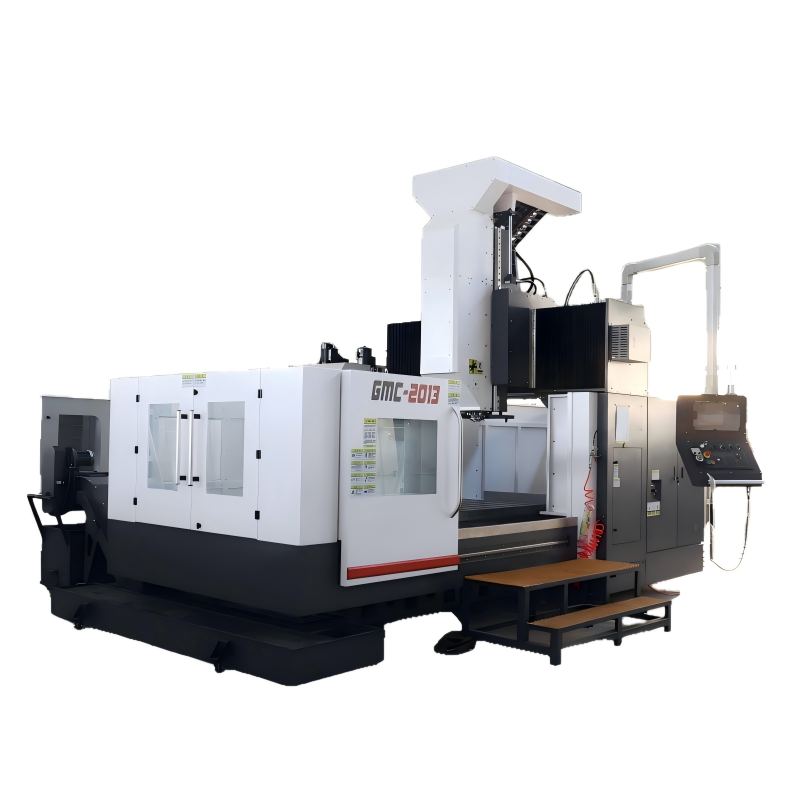
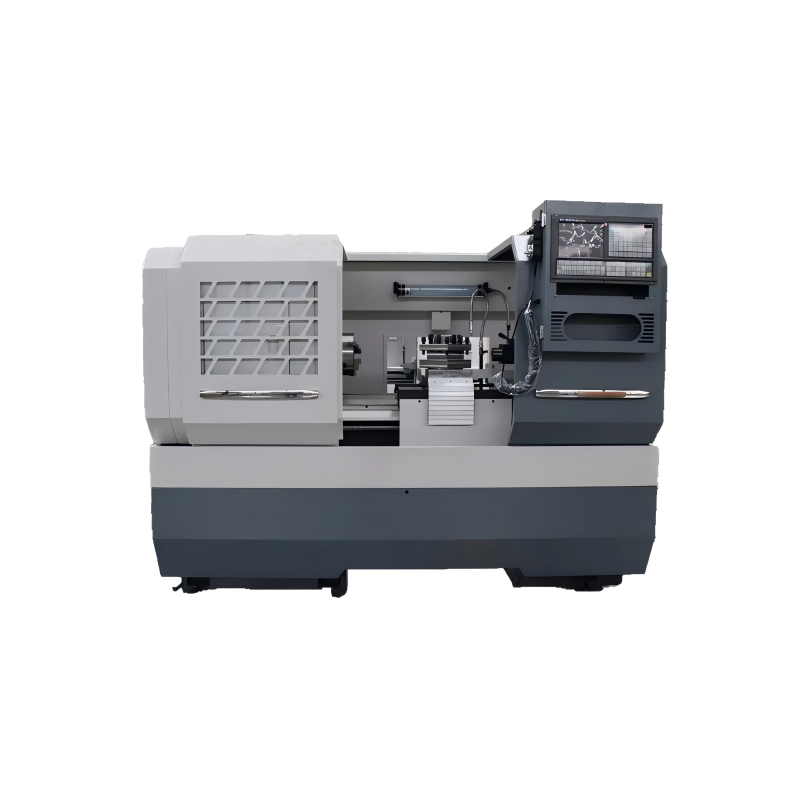
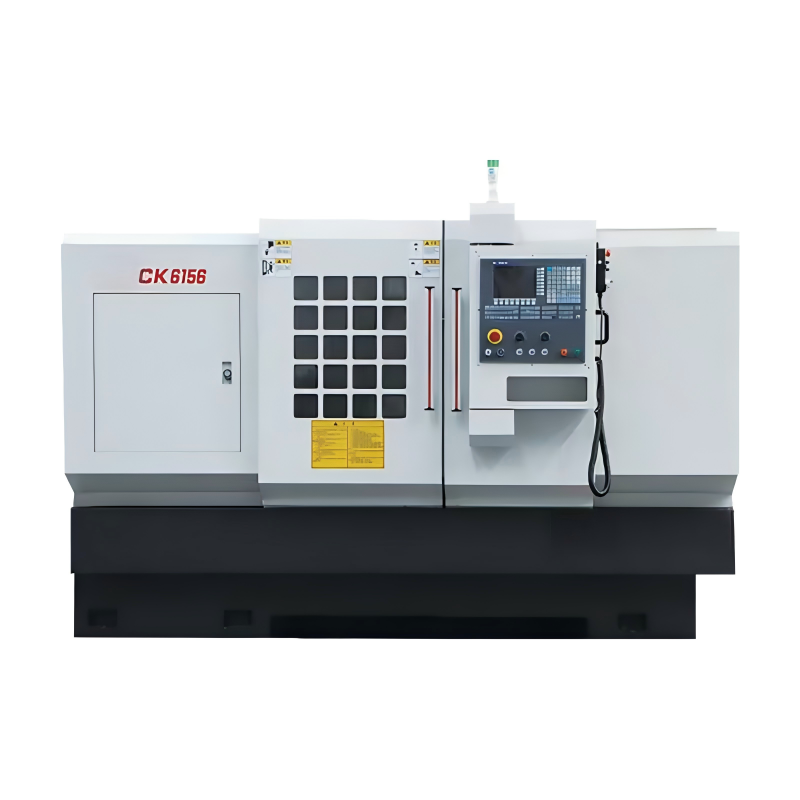
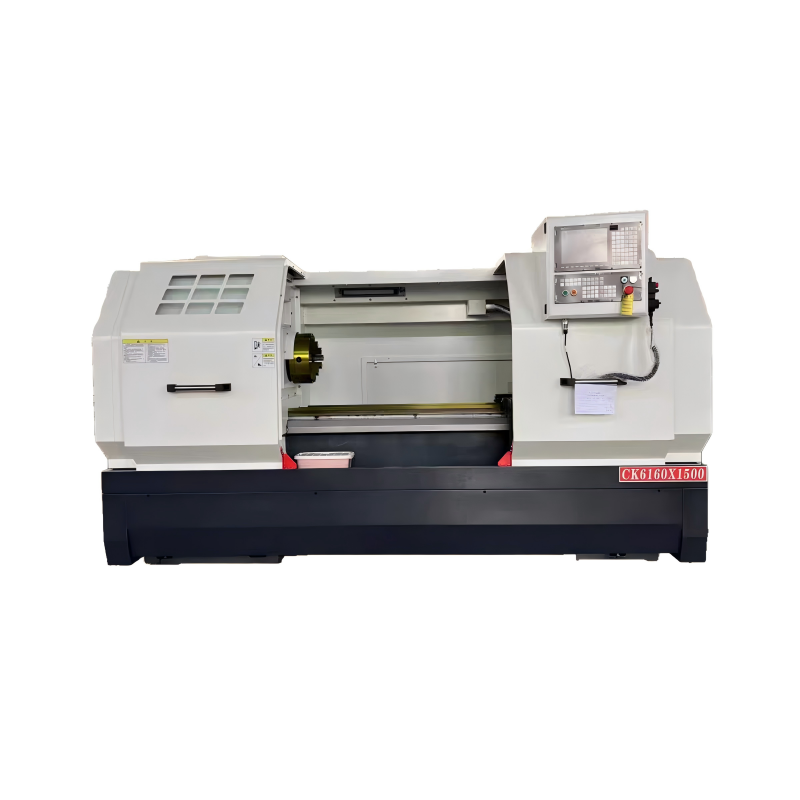
In the realm of precision machining, mastering the use of a pipe thread lathe is essential for producing high-quality threaded components. This report delves into advanced techniques that can significantly enhance the accuracy and efficiency of pipe threading operations. From understanding the fundamentals of setup to employing cutting-edge strategies, this document aims to provide a comprehensive guide for both beginners and experienced machinists. By exploring key areas such as tool selection, machine calibration, and process optimization, we aim to elevate the standards of pipe threading in modern manufacturing.
The first step towards achieving precision on a pipe thread lathe is selecting the appropriate tooling. The choice of tools, including cutters and dies, directly impacts the quality of the threads produced. High-quality, durable tools are essential for consistent results. Additionally, the type of material being threaded should influence the selection of the tooling, as different materials require specific cutting angles and geometries to achieve optimal thread profiles.
Calibration is crucial for ensuring that the pipe thread lathe operates at its highest potential. Regular maintenance and calibration checks are necessary to maintain the machine's accuracy. Key areas to focus on include the alignment of the headstock and tailstock, as well as the proper adjustment of the feed mechanisms. A well-calibrated lathe will produce more uniform and precise threads, reducing the likelihood of defects and rework.
One of the most critical factors in achieving precision on a pipe thread lathe is the careful adjustment of cutting parameters. The speed and feed rate must be optimized based on the material being machined and the desired thread quality. For example, softer materials may require higher speeds and lower feed rates to prevent chatter and ensure a smooth finish. Conversely, harder materials may necessitate slower speeds and higher feed rates to avoid excessive wear on the cutting tools.
Effective coolant and lubrication management is another key aspect of optimizing cutting parameters. Proper application of coolant not only helps in dissipating heat but also improves the surface finish and extends the life of the cutting tools. Different types of coolants and lubricants are available, and the choice should be based on the specific requirements of the material and the desired outcome. Regular monitoring and maintenance of the coolant system are essential to ensure consistent performance.
Computer Numerical Control (CNC) technology has revolutionized the field of precision machining, and its application in pipe thread lathes is no exception. CNC-controlled lathes offer unparalleled accuracy and repeatability, making them ideal for high-precision applications. By programming the desired thread profile and cutting parameters, operators can achieve consistent results with minimal human error. Additionally, CNC systems often come with advanced features such as automatic tool changers and real-time monitoring, further enhancing the overall efficiency of the machining process.
To ensure the highest level of precision, implementing in-process measurement techniques is highly recommended. This involves using sensors and gauges to monitor the dimensions and quality of the threads as they are being machined. Real-time data collection allows for immediate adjustments, reducing the risk of producing out-of-spec parts. Advanced measurement systems can also provide valuable feedback on the performance of the machine and the cutting tools, enabling continuous improvement and optimization.
Once the threading operation is complete, thorough inspection and verification are essential to ensure that the final product meets the required specifications. Various inspection methods, such as visual inspection, micrometers, and thread gauges, can be used to check the dimensional accuracy and quality of the threads. Automated inspection systems, such as coordinate measuring machines (CMMs), can provide even more detailed and accurate measurements, ensuring that every part is within tolerance.
After the initial threading, post-processing and finishing steps may be necessary to achieve the desired final product. This can include deburring, polishing, and coating, depending on the specific requirements of the application. Proper post-processing not only enhances the appearance of the threads but also improves their functionality and durability. Attention to detail during these final stages is crucial for delivering high-quality, precision-machined components.
 04/06/2026
Understanding the basics of a pipe thread lathe is crucial for anyone involved in the manufacturing, repair, or maintenance of pipes and related components. A pipe thread lathe is a specialized machine used to create threads on the ends of pipes, ensuring
Read More28/05/2026A pipe thread lathe is a specialized piece of machinery used in the manufacturing and maintenance of pipes, especially for creating precise threading. Proper maintenance of this equipment is essential to ensure its longevity and optimal performance. This
Read More28/05/2026In the realm of precision engineering, mastering the art of pipe threading on a lathe is an essential skill for any machinist. This technique not only demands a high level of accuracy but also requires a deep understanding of the tools and processes invol
Read More28/05/2026Understanding the basics of pipe thread lathe operations is crucial for anyone involved in manufacturing or repairing pipes, as well as for those who wish to delve into the intricacies of machining. A Pipe Thread Lathe is a specialized machine designed to
Read MoreOur professional sales team is always ready to assist you.