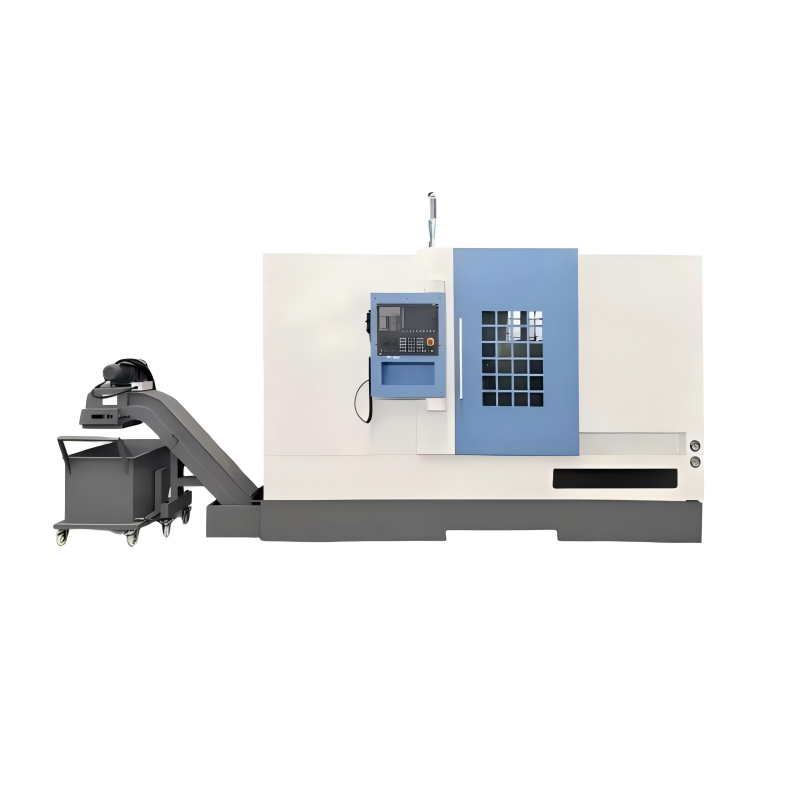
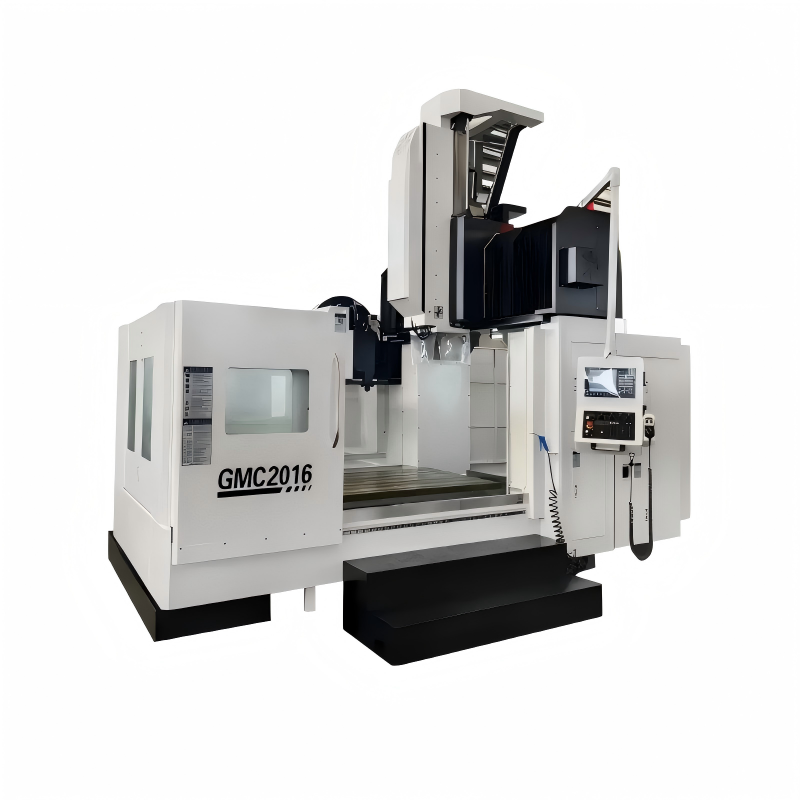
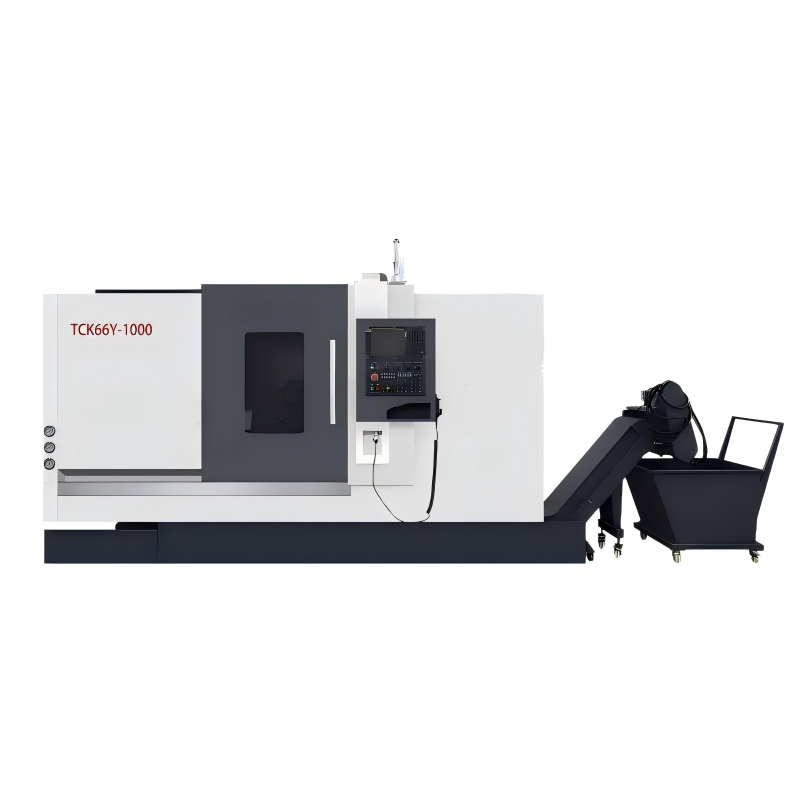
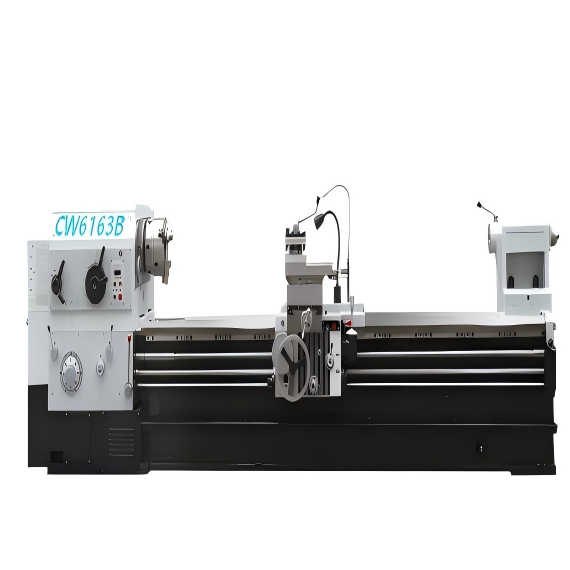
Understanding the basics of a pipe thread lathe is crucial for anyone involved in the manufacturing, repair, or maintenance of pipes and related components. A pipe thread lathe is a specialized machine used to create threads on the ends of pipes, ensuring they can be securely connected with other fittings. This technical report delves into the fundamental aspects of pipe thread lathes, including their design, operation, and applications. By exploring these areas, we aim to provide a comprehensive overview that will help readers gain a deeper understanding of this important tool.
A pipe thread lathe consists of several key components, each designed to perform specific tasks. The bed of the lathe provides a stable platform for the workpiece, while the headstock houses the spindle, which rotates the pipe. The carriage, which moves along the bed, holds the cutting tools. The tailstock, located at the opposite end of the headstock, supports the free end of the pipe, ensuring it remains straight during the threading process. Understanding the role of each component is essential for proper operation and maintenance.
The materials used in the construction of a pipe thread lathe are critical to its performance and longevity. High-quality cast iron is often used for the bed and headstock due to its rigidity and vibration-dampening properties. The cutting tools, typically made from high-speed steel or carbide, must be durable enough to withstand the forces involved in the threading process. Regular maintenance, such as lubrication and calibration, is necessary to ensure the lathe operates efficiently and produces accurate threads.
Proper setup is the first step in operating a pipe thread lathe. The pipe must be securely clamped in the chuck, and the tailstock should be adjusted to support the free end. The alignment of the pipe is crucial, as any misalignment can result in poorly formed threads. Once the pipe is properly set up, the operator can proceed to the next steps.
The threading process involves rotating the pipe while the cutting tool moves along the length of the pipe, creating the desired thread pattern. The pitch, depth, and angle of the threads are controlled by adjusting the feed rate and the position of the cutting tool. Modern pipe thread lathes often feature digital controls that allow for precise adjustments, ensuring consistent and accurate results. Operators must be familiar with the settings and parameters to achieve the desired thread quality.
To ensure the longevity and reliability of a pipe thread lathe, regular maintenance is essential. This includes cleaning the machine after each use, checking for wear and tear on the cutting tools, and lubricating moving parts. The bed and ways should be kept free of debris and rust, and the spindle bearings should be inspected periodically. Following a routine maintenance schedule can prevent breakdowns and extend the life of the lathe.
Despite regular maintenance, issues can still arise. Common problems include uneven thread patterns, excessive tool wear, and mechanical failures. Uneven threads can be caused by misalignment or improper setup, and can be corrected by repositioning the pipe and adjusting the cutting tool. Excessive tool wear can be addressed by replacing the cutting tools, while mechanical failures may require more extensive repairs. Understanding the causes of these issues and how to address them is crucial for maintaining the efficiency of the lathe.
Pipe thread lathes are widely used in various industries, including plumbing, oil and gas, and manufacturing. In plumbing, they are used to create threads on pipes and fittings, ensuring secure connections. In the oil and gas industry, pipe thread lathes are essential for producing high-quality threads on drill pipes and other components. The ability to produce precise and consistent threads makes these lathes indispensable in these applications.
Compared to manual threading methods, pipe thread lathes offer several advantages. They provide greater precision and consistency, reducing the likelihood of errors and ensuring that threads meet the required specifications. Additionally, pipe thread lathes are more efficient, allowing for faster production and higher throughput. The automation and control features of modern lathes also make them easier to operate, requiring less physical effort and skill from the operator. These benefits make pipe thread lathes a preferred choice in many industrial settings.
This content provides a detailed and structured overview of the basics of a pipe thread lathe, covering its design, operation, maintenance, and applications. Each section is designed to build upon the previous one, offering a comprehensive and valuable resource for those interested in understanding and using this specialized machinery. 04/06/2026
In the realm of precision machining, mastering the use of a pipe thread lathe is essential for producing high-quality threaded components. This report delves into advanced techniques that can significantly enhance the accuracy and efficiency of pipe threa
Read More28/05/2026A pipe thread lathe is a specialized piece of machinery used in the manufacturing and maintenance of pipes, especially for creating precise threading. Proper maintenance of this equipment is essential to ensure its longevity and optimal performance. This
Read More28/05/2026In the realm of precision engineering, mastering the art of pipe threading on a lathe is an essential skill for any machinist. This technique not only demands a high level of accuracy but also requires a deep understanding of the tools and processes invol
Read More28/05/2026Understanding the basics of pipe thread lathe operations is crucial for anyone involved in manufacturing or repairing pipes, as well as for those who wish to delve into the intricacies of machining. A Pipe Thread Lathe is a specialized machine designed to
Read MoreOur professional sales team is always ready to assist you.