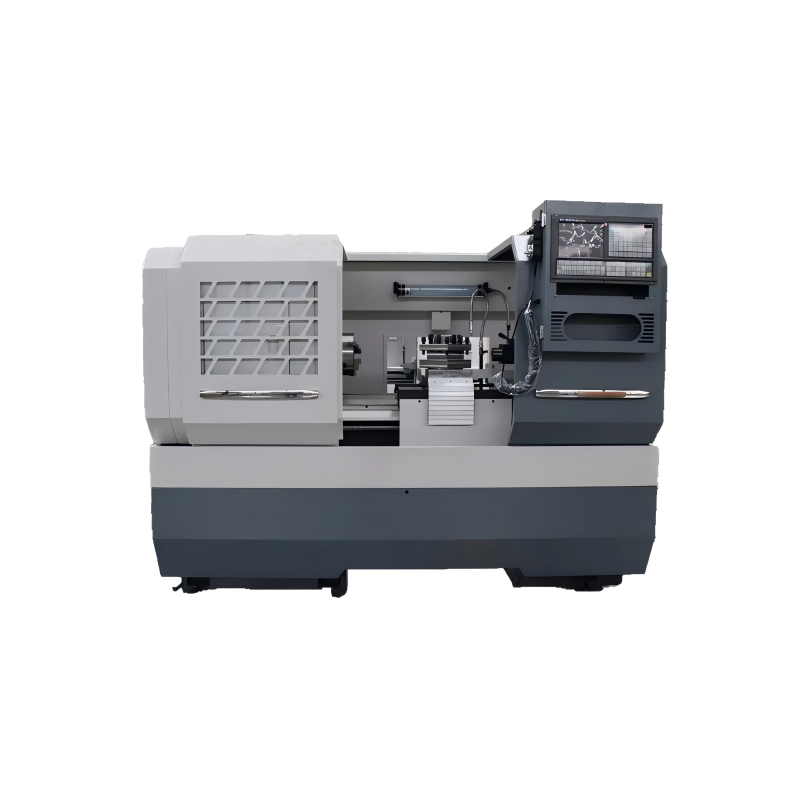
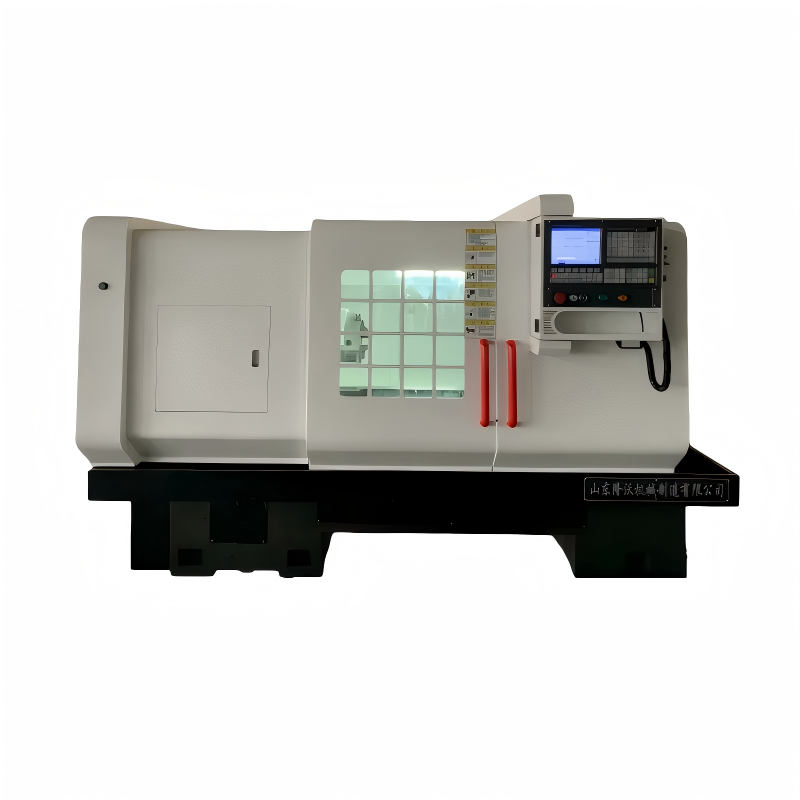
In the realm of precision engineering, the Fully automatic horizontal CNC lathe has become an indispensable tool for manufacturers aiming to optimize their production processes. This report delves into the advantages of using mini and small horizontal CNC Lathes in compact workspaces, highlighting key benefits that make these machines a preferred choice for modern manufacturing environments.
One of the most significant advantages of mini and small Horizontal CNC Lathes is their ability to maximize space utilization. These machines are designed with compactness in mind, allowing them to fit seamlessly into tight or limited spaces. In contrast to traditional, larger CNC lathes, which often require substantial floor space, smaller models can be easily integrated into existing layouts without compromising on functionality. This makes them ideal for small workshops, research and development labs, or any setting where space is at a premium. The compact design not only saves valuable workspace but also allows for a more organized and efficient workflow, reducing clutter and improving overall productivity.
Mini and small horizontal CNC lathes offer enhanced operational efficiency, making them a cost-effective solution for various manufacturing needs. These machines are equipped with advanced automation features, enabling them to perform complex operations with minimal human intervention. The fully automatic nature of these lathes ensures consistent and accurate results, reducing the likelihood of errors and rework. Additionally, they can handle a wide range of materials and parts, from small components to intricate designs, with high precision and speed. This versatility, combined with their compact size, makes them a versatile tool for both small-scale and high-volume production runs. The increased efficiency translates into reduced lead times, lower labor costs, and improved overall output, making these machines a valuable asset for any manufacturing operation.
Investing in mini and small horizontal CNC lathes can yield significant cost savings and a high return on investment (ROI) for manufacturers. The initial cost of these machines is generally lower compared to their larger counterparts, making them more accessible to small and medium-sized enterprises (SMEs). Moreover, their energy-efficient design and low maintenance requirements contribute to long-term cost savings. The ability to perform multiple operations in a single setup further reduces the need for additional equipment, leading to a more streamlined and cost-effective production process. The combination of reduced upfront costs, lower operating expenses, and increased productivity makes mini and small horizontal CNC lathes a financially sound investment for businesses looking to enhance their manufacturing capabilities while maintaining budgetary constraints.
Mini and small horizontal CNC lathes are renowned for their exceptional precision and quality control. These machines are equipped with state-of-the-art technology, including high-resolution encoders, advanced control systems, and robust construction, ensuring that each part is machined to exact specifications. The fully automatic nature of these lathes minimizes the risk of human error, resulting in consistently high-quality output. This level of precision is particularly crucial in industries such as aerospace, medical devices, and electronics, where even the slightest deviation can have significant consequences. The ability to produce parts with tight tolerances and superior surface finishes enhances the overall quality of the final product, leading to higher customer satisfaction and a competitive edge in the market.
Another key advantage of mini and small horizontal CNC lathes is their flexibility and adaptability. These machines can be easily reprogrammed and retooled to accommodate different part designs and production requirements. This flexibility allows manufacturers to quickly respond to changing market demands, whether it's producing a new product or adjusting an existing one. The ability to switch between different jobs with minimal downtime is particularly beneficial in today’s fast-paced manufacturing environment. Additionally, the modular design of many small CNC lathes enables easy integration with other manufacturing processes, such as milling, drilling, and grinding, creating a more versatile and efficient production line. This adaptability not only enhances the machine's utility but also future-proofs the investment by ensuring that the lathe remains relevant and effective as production needs evolve.
In conclusion, the use of mini and small horizontal CNC lathes in compact workspaces offers numerous advantages, including enhanced space utilization, increased operational efficiency, cost-effectiveness, improved precision, and flexibility. These benefits make them a valuable addition to any manufacturing operation, particularly in settings where space and budget are limited. By leveraging the capabilities of these machines, manufacturers can achieve higher productivity, better quality, and a stronger competitive position in the market.
 26/06/2026
Understanding the Importance of Heavy Duty CNC Pipe Threading Lathes in Industrial ApplicationsIn today's rapidly evolving manufacturing landscape, the demand for precision, efficiency, and robustness in production processes has never been higher. This is
Read More22/06/2026Introduction to Fully Automatic Horizontal CNC LathesThe emergence of fully automatic horizontal CNC lathes has revolutionized the manufacturing industry, offering unparalleled precision, efficiency, and versatility. These machines, which are widely avail
Read More22/06/2026In the realm of modern manufacturing, the quest for efficiency, precision, and automation has led to the development of advanced machinery. One such machine that stands out is the CK6136, a fully automatic horizontal CNC lathe. This article delves into th
Read More22/06/2026Understanding the Core Capabilities of Fully Automatic Horizontal CNC LathesThe emergence and subsequent evolution of fully automatic horizontal CNC lathes have significantly transformed the manufacturing landscape, particularly in precision machining. Th
Read More19/06/2026In the realm of modern manufacturing, precision and durability stand as two pillars that define the success of any industrial application. Among the numerous tools available to achieve these goals, the fully automatic horizontal CNC lathe has emerged as a
Read More16/06/2026In the realm of precision manufacturing, achieving high accuracy is paramount. A fully automatic horizontal CNC lathe plays a crucial role in ensuring that parts are machined to exact specifications, thereby enhancing the overall quality and performance o
Read MoreOur professional sales team is always ready to assist you.