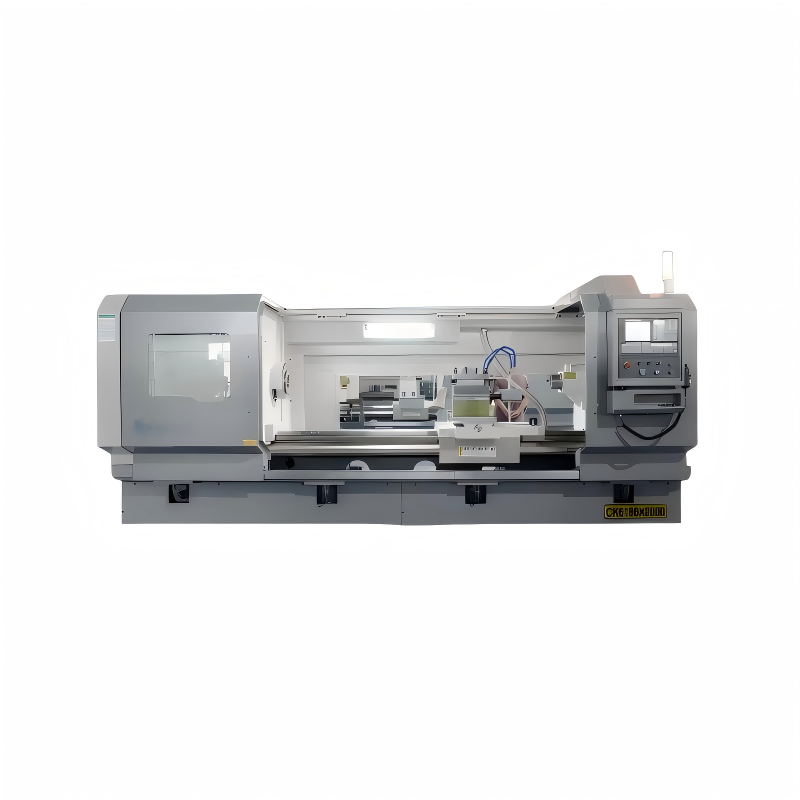
The CK6186 is a high-precision CNC lathe that has been widely used in the manufacturing industry, particularly for producing long shafts. This machine's versatility and precision make it an ideal choice for various applications, from automotive to aerospace. In this report, we will explore advanced techniques for utilizing the CK6186 to optimize the production of long shafts, focusing on three key areas: material selection, tooling strategies, and process optimization.
Selecting the right material is critical for the successful production of long shafts. The CK6186 can handle a wide range of materials, including steel, stainless steel, aluminum, and titanium. However, the choice of material depends on the specific requirements of the application, such as strength, durability, and resistance to corrosion.
For example, in the automotive industry, where long shafts are subjected to high stress and wear, materials like 4140 steel or 304 stainless steel are often preferred. These materials offer excellent tensile strength and fatigue resistance, making them suitable for long-term use in demanding environments. On the other hand, in the aerospace industry, where weight reduction is a priority, titanium alloys like Ti-6Al-4V may be more appropriate due to their high strength-to-weight ratio.
When using the CK6186, it is essential to consider the material's machinability. Some materials, such as hardened steels, may require specialized cutting tools and slower feed rates to achieve the desired surface finish and dimensional accuracy. Proper material selection not only ensures the quality of the final product but also optimizes the machining process, reducing cycle times and minimizing tool wear.
Effective tooling strategies are crucial for achieving high precision and surface finish when machining long shafts on the CK6186. The choice of cutting tools, their geometry, and the cutting parameters all play a significant role in the overall performance of the machining process.
One of the key considerations is the type of cutting tool. For long shafts, carbide-tipped tools are often preferred due to their high hardness and wear resistance. These tools can maintain sharp edges even under high cutting speeds and feeds, ensuring consistent and accurate cuts. Additionally, the use of coated tools, such as those with TiN (Titanium Nitride) or AlTiN (Aluminum Titanium Nitride) coatings, can further enhance tool life and improve surface finish.
Another important aspect is the tool geometry. Tools with a positive rake angle can reduce cutting forces and minimize heat generation, which is particularly beneficial when machining long shafts. This reduces the risk of thermal deformation and ensures that the shaft maintains its straightness and roundness throughout the machining process. Furthermore, the use of balanced tool holders can help to minimize vibrations, leading to smoother cuts and improved surface finish.
Finally, the cutting parameters, including spindle speed, feed rate, and depth of cut, must be carefully optimized. These parameters should be selected based on the material being machined and the desired surface finish. For example, higher spindle speeds and lower feed rates are typically used for finishing operations to achieve a fine surface finish, while lower speeds and higher feeds are used for roughing to remove material quickly.
Optimizing the machining process on the CK6186 is essential for efficient and cost-effective production of long shafts. This involves several key steps, including fixture design, coolant management, and the implementation of advanced machining techniques.
Fixture design is a critical factor in ensuring the stability and accuracy of the workpiece during machining. For long shafts, the use of steady rests and tailstocks can help to support the workpiece and prevent deflection. These fixtures should be designed to provide adequate support while allowing for easy setup and removal of the workpiece. Additionally, the use of hydraulic or pneumatic clamping systems can ensure consistent and reliable clamping force, reducing the risk of workpiece movement during machining.
Coolant management is another important aspect of process optimization. Proper coolant application can significantly improve tool life and surface finish by reducing friction and heat generation. The CK6186 is equipped with a high-pressure coolant system that can deliver coolant directly to the cutting zone, ensuring that the cutting edge remains cool and lubricated. It is also important to select the appropriate coolant for the material being machined, as different coolants have varying properties and effectiveness.
Advanced machining techniques, such as high-speed machining (HSM) and multi-axis machining, can further enhance the efficiency and quality of long shaft production. HSM involves using high spindle speeds and feed rates to achieve faster material removal rates and improved surface finish. This technique can be particularly effective for machining long shafts, as it reduces the overall machining time and minimizes the risk of thermal deformation. Multi-axis machining, on the other hand, allows for complex geometries to be machined in a single setup, reducing the need for multiple setups and improving overall productivity.
In conclusion, the CK6186 is a versatile and precise CNC Lathe that can be effectively utilized for the production of long shafts. By carefully selecting the right materials, implementing effective tooling strategies, and optimizing the machining process, manufacturers can achieve high-quality, cost-effective, and efficient production of long shafts. These advanced techniques not only enhance the performance of the CK6186 but also contribute to the overall success of the manufacturing process.
 26/06/2026
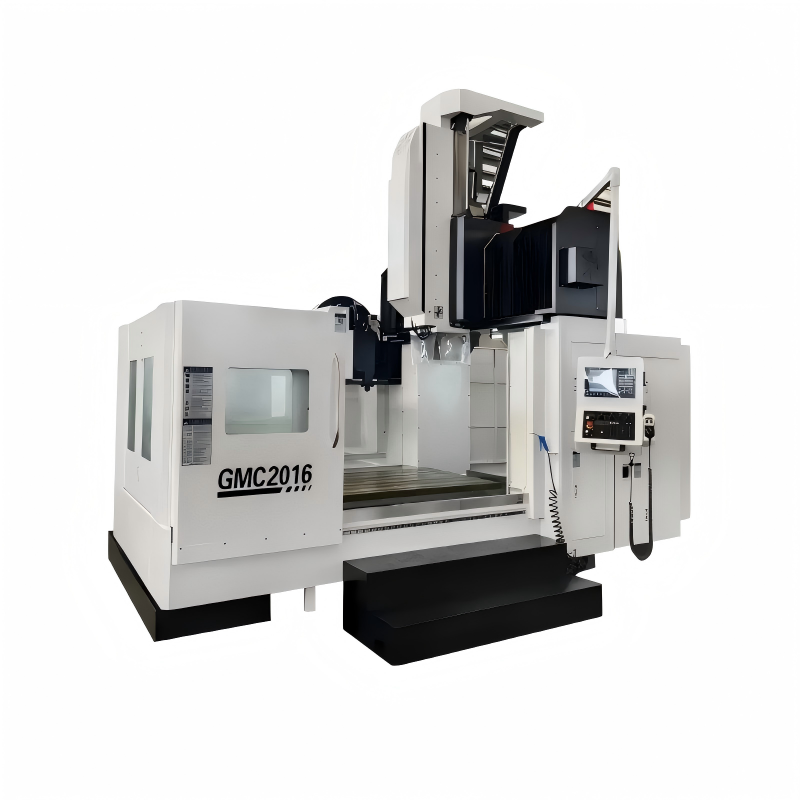
With the rapid advancement in manufacturing technologies, Gantry CNC machining centers have emerged as a critical tool for large-scale projects. These machines, capable of handling extensive workpieces with precision and efficiency, are increasingly being
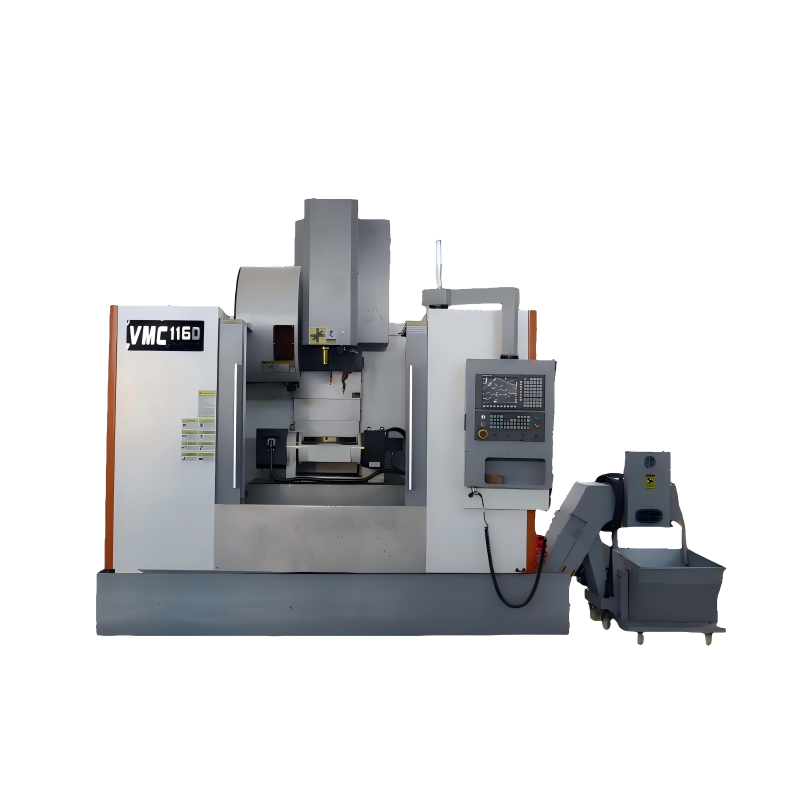
Read More25/06/2026In the realm of advanced manufacturing, vertical machining centers (VMCs) have emerged as indispensable tools for achieving high levels of precision and efficiency. This report delves into how VMCs, such as the CK6186, are transforming the manufacturing l
Read More25/06/2026In the world of precision engineering, the reliability and accuracy of machinery are paramount. This report delves into the significance of SGS certified CNC lathes, with a particular focus on the CK6186 model, highlighting how these certifications ensure
Read More24/06/2026In the ever-evolving landscape of manufacturing and machining, the selection of the right equipment can make a significant difference in productivity, efficiency, and overall operational success. One such piece of machinery that has gained prominence is t
Read More22/06/2026Deep hole machining is a critical process in the manufacturing of precision long shafts, where accuracy and surface finish are paramount. This technique has found widespread application across various industries, including aerospace, automotive, and energ
Read More22/06/2026In today's manufacturing landscape, precision and efficiency are paramount. The CK6186 flat bed CNC lathe stands out as a top choice for those seeking to enhance their machining capabilities. This technical report delves into the various aspects of the CK
Read More22/06/2026The field of CNC (Computer Numerical Control) lathes has seen significant advancements over the years, with a particular focus on improving efficiency, precision, and operational noise. One such innovation is the CK6186 low noise flat bed CNC lathe, which
Read More22/06/2026CK6186, a highly specialized lathe model, has been making waves in the metalworking industry due to its exceptional performance and versatility. This technical report delves into the various aspects of how CK6186 contributes to achieving high-quality meta
Read More05/06/2026The future of metalworking is rapidly evolving, driven by advancements in technology and the increasing demand for precision and efficiency. One model that stands out in this landscape is the CK6186, a cutting-edge machine designed to meet the needs of mo
Read MoreOur professional sales team is always ready to assist you.