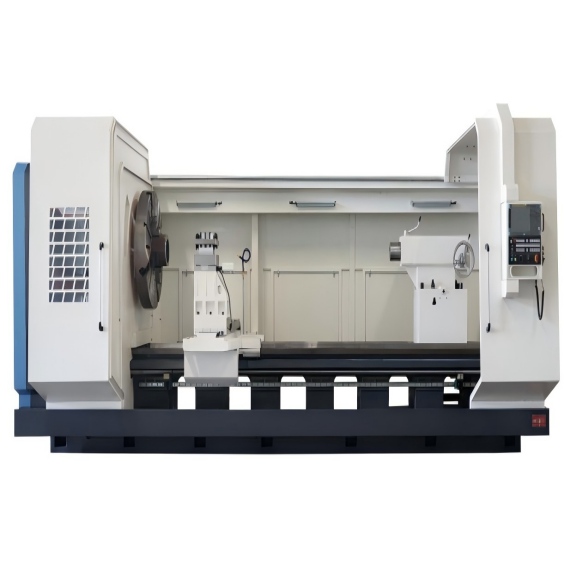
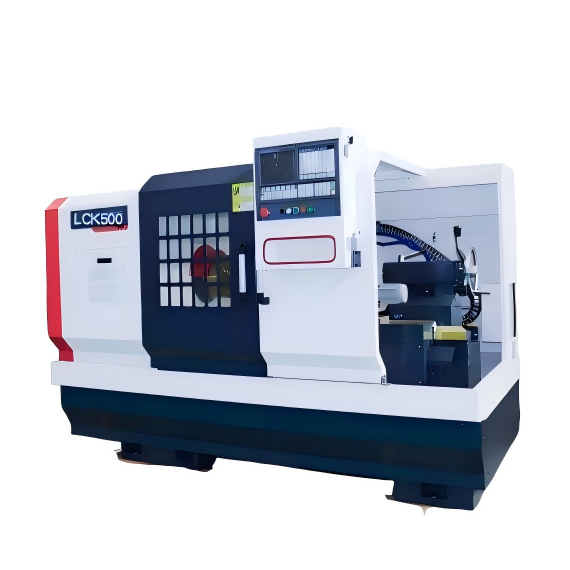
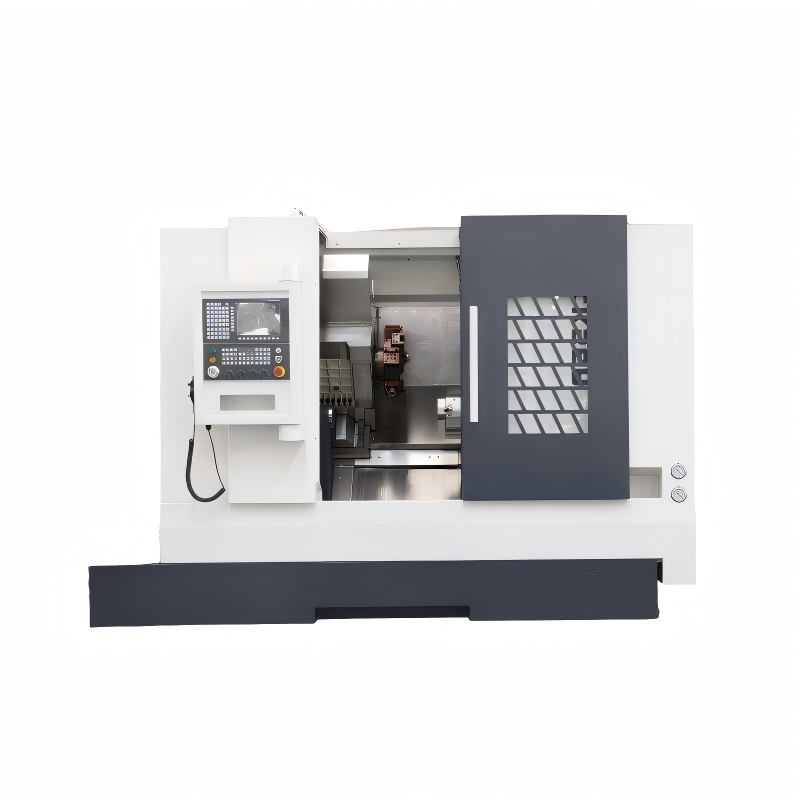
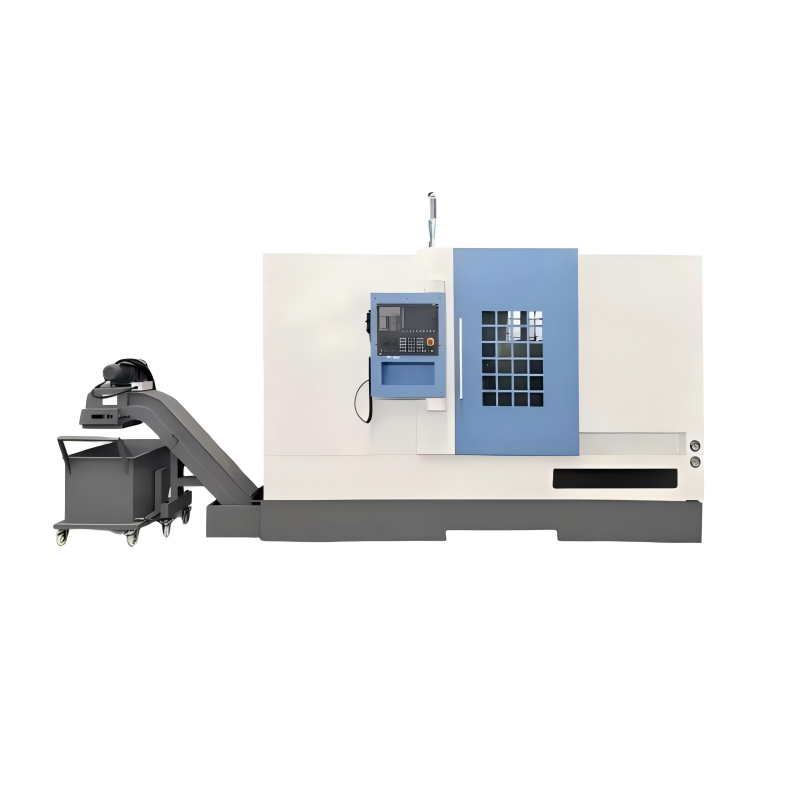
When it comes to precision machining, selecting the right Vertical Machining Center (VMC) for your specific needs and applications is crucial. This decision can significantly impact the efficiency, productivity, and quality of your manufacturing processes. In this report, we will explore the key factors to consider when choosing a Box Way VMC Machine, with a particular focus on how these considerations might also apply to other types of machinery, such as the Slant Bed Lathe. By understanding the unique requirements of your operations, you can make an informed choice that enhances your production capabilities.
A Box Way VMC machine is characterized by its robust construction, which utilizes box ways for the linear motion of the axes. These machines are known for their stability, rigidity, and ability to handle heavy cutting loads. The box ways provide a large contact area between the moving parts, which results in higher damping and reduced vibration. This makes them ideal for applications that require high precision and repeatability, such as mold and die making, aerospace components, and medical devices.
Compared to linear guide VMCs, box way VMCs offer superior durability and longevity. The box ways are typically made from high-quality cast iron or steel, which can withstand the wear and tear of continuous operation. Additionally, they are less susceptible to contamination from chips and coolant, which can be a significant advantage in harsh industrial environments.
To choose the right Box Way VMC machine, it is essential to thoroughly evaluate your specific needs and applications. Consider the following factors:
For example, if you are working with large, heavy workpieces, a Box Way VMC machine would be more suitable due to its high rigidity and stability. On the other hand, if you are dealing with smaller, more intricate parts, a Slant Bed Lathe might be a better option, as it offers excellent accessibility and chip evacuation.
When evaluating Box Way VMC machines, pay close attention to the following key features and specifications:
These features are equally important when considering a Slant Bed Lathe. For instance, a Slant Bed Lathe with a powerful spindle and advanced control system can provide the precision and flexibility needed for turning and milling operations.
In today's competitive manufacturing environment, integration and automation capabilities are becoming increasingly important. A Box Way VMC machine that can be easily integrated into your existing production line and automated systems can significantly enhance your overall efficiency and productivity. Consider the following aspects:
Similarly, a Slant Bed Lathe with advanced automation features can be a valuable addition to your production line. For example, a lathe with a bar feeder and robotic arm can handle multiple operations without human intervention, increasing efficiency and reducing errors.
Choosing the right Box Way VMC machine for your specific needs and applications is a critical decision that can greatly impact your manufacturing processes. By understanding the fundamentals of Box Way VMC machines, evaluating your specific needs, and considering key features and specifications, you can make an informed choice that enhances your production capabilities. Additionally, integrating and automating your VMC machine can further improve efficiency and productivity. Whether you are working with a Box Way VMC or a Slant Bed Lathe, the principles outlined in this report will help you select the best machine for your operations.
 24/06/2026
China, a country known for its rapid industrial development and technological advancements, is home to numerous manufacturing hubs. Among these, Qingdao stands out as a leader in the production of high-precision machining equipment, particularly in the do
Read More23/06/2026The manufacturing industry has seen significant advancements over the years, with precision and accuracy becoming paramount in parts production. Among the tools that have contributed to this progress, the Box Way VMC (Vertical Machining Center) machine st
Read More22/06/2026The landscape of manufacturing is constantly evolving, driven by advancements in technology and the increasing demand for precision and efficiency. Among these developments, the Slant Bed Lathe, particularly the Economic Horizontal CNC Lathe from China, s
Read More28/05/2026The advent of the Slant Bed Lathe has significantly transformed the landscape of metalworking industries, marking a pivotal shift in manufacturing technologies. This technical report delves into the evolution, advantages, and future prospects of the slant
Read More28/05/2026Introduction to Slant Bed Lathes The evolution of manufacturing technology has brought about significant advancements in the field, one of which is the introduction and adoption of slant bed lathes. These machines, designed with a tilted bed, offer a uniq
Read More28/05/2026The evolution of machining technology has seen the introduction and widespread adoption of various types of lathes, each designed to cater to specific needs in precision engineering. Among these, the slant bed lathe stands out as a versatile and efficient
Read MoreOur professional sales team is always ready to assist you.