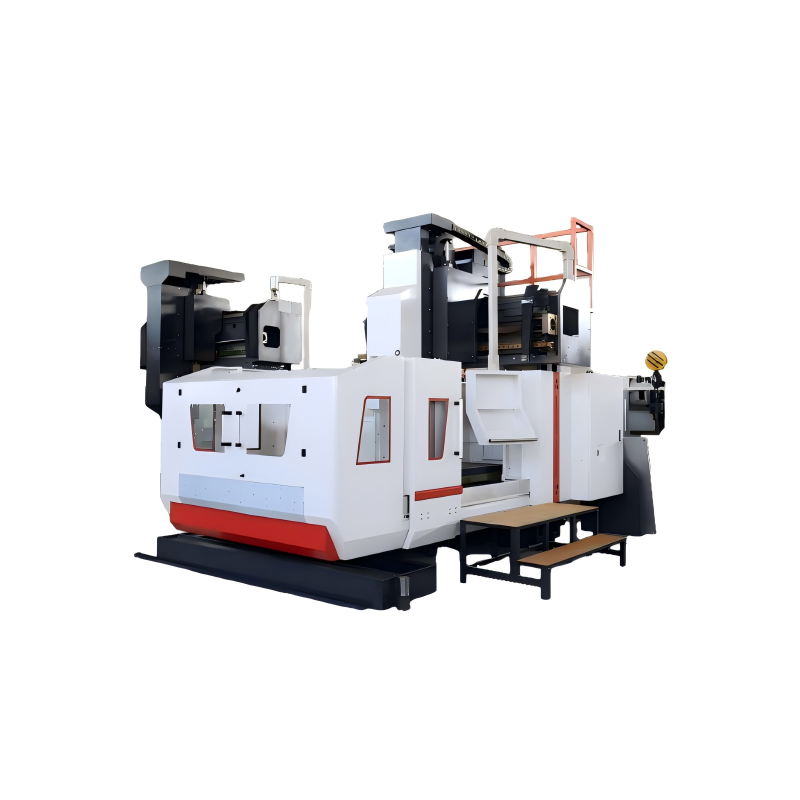
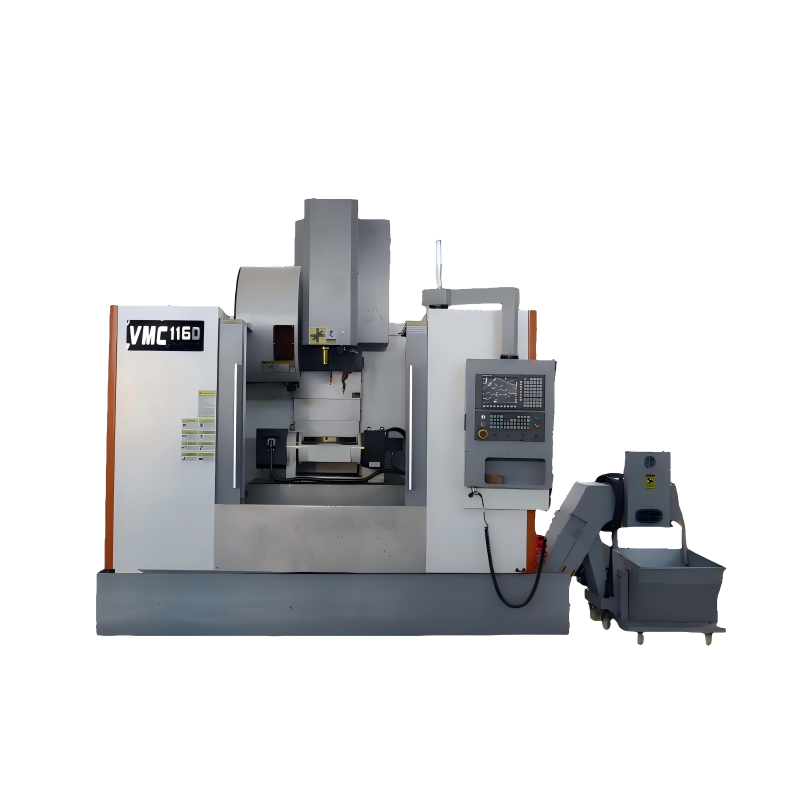
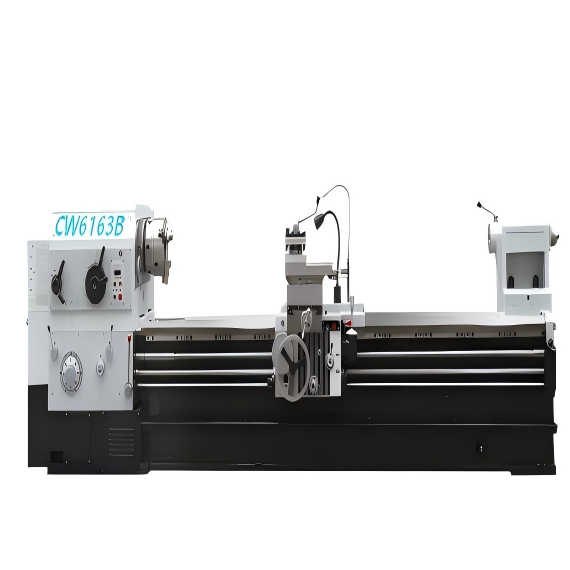
In the world of CNC (Computer Numerical Control) lathes, the choice between a box way and a linear guide system can significantly impact the machine's performance, durability, and overall cost-effectiveness. This technical report aims to provide an in-depth comparison of these two systems, focusing on their respective advantages and disadvantages. The analysis will be structured around key aspects such as rigidity, maintenance requirements, and operational efficiency.
The box way design is characterized by its robust construction, where the guideways are machined directly into the cast iron bed of the lathe. This configuration provides exceptional rigidity, which is crucial for heavy-duty machining operations. The high stiffness of the box way ensures that the cutting tool remains stable under high loads, reducing vibration and improving surface finish quality. Additionally, the large contact area between the ways and the slideways enhances the load-carrying capacity, making it suitable for applications that require high precision and heavy material removal rates.
Moreover, the box way is known for its longevity. The wear-resistant nature of the cast iron and the ability to scrape and adjust the ways over time contribute to a longer service life. This feature is particularly beneficial in industrial settings where machines are subjected to continuous and intense use. However, the initial cost of a box way CNC Lathe is generally higher due to the more complex manufacturing process and the use of high-quality materials.
On the other hand, linear guide systems, often referred to as hard rail CNC lathes, utilize ball or roller bearings to support the moving components. These systems offer several advantages, including high precision and smooth motion. The rolling elements in the linear guides reduce friction, allowing for faster and more efficient movement. This results in improved productivity and reduced energy consumption, making linear guide systems ideal for high-speed and high-precision applications.
Another significant advantage of linear guide systems is their ease of maintenance. Unlike box ways, which may require periodic scraping and adjustment, linear guides can be easily replaced or serviced. This reduces downtime and maintenance costs, making them a more cost-effective option in the long run. However, the trade-off is that linear guides may not provide the same level of rigidity as box ways, which can be a limiting factor in heavy-duty machining operations.
When considering operational efficiency, both box way and linear guide systems have their unique strengths. Box ways excel in applications that demand high rigidity and durability, such as those involving large, heavy workpieces or high-force cutting operations. The stability provided by the box way design allows for consistent and accurate machining, even under extreme conditions.
Conversely, linear guide systems are better suited for applications that prioritize speed and precision. The low-friction nature of the rolling elements enables rapid and smooth movement, which is essential for high-speed machining. Additionally, the reduced wear and tear on the system contribute to lower maintenance requirements, enhancing overall efficiency. For shops that need to maximize throughput and minimize downtime, linear guide systems offer a compelling solution.
The cost of a CNC lathe is a critical factor in the decision-making process. Box way CNC lathes typically have a higher initial cost due to the complexity of the design and the use of premium materials. However, the long-term benefits of increased durability and reduced maintenance can offset this initial investment. In scenarios where the machine will be used for extended periods and subjected to heavy loads, the box way may provide a better return on investment.
Linear guide systems, while less expensive initially, may incur higher maintenance costs over time. The need for regular replacement of the rolling elements and the potential for reduced rigidity in heavy-duty applications can affect the overall cost-effectiveness. Therefore, the choice between a box way and a linear guide system should be based on a careful evaluation of the specific requirements and operational context of the application.
In conclusion, the choice between a box way and a linear guide system in a CNC lathe depends on the specific needs of the application. Box ways offer superior rigidity and durability, making them ideal for heavy-duty machining, while linear guide systems provide high precision and ease of maintenance, suitable for high-speed and high-precision operations. By carefully considering factors such as rigidity, maintenance, operational efficiency, and cost, manufacturers can make an informed decision that best aligns with their production goals and budget constraints.
 17/06/2026
In the realm of precision manufacturing, CNC lathes play a pivotal role in producing high-quality components with tight tolerances. The design and construction of these machines are crucial for their performance, and one key aspect that significantly impa
Read More17/06/2026Box way CNC lathes, also known as hard rail CNC lathes, have become a staple in modern manufacturing environments due to their robustness and precision. These machines are designed to handle heavy-duty operations with high accuracy, making them ideal for
Read More16/06/2026In the realm of heavy-duty CNC lathe applications, the choice between box way and hard rail systems is a critical decision that can significantly impact the performance, durability, and overall efficiency of the machine. This technical report delves into
Read More16/06/2026In the realm of precision manufacturing, CNC lathes are indispensable tools that demand meticulous maintenance to ensure optimal performance and longevity. Among the various components of a CNC lathe, the box way, also known as the hard rail, plays a crit
Read More16/06/2026In the realm of precision machining, CNC lathes are indispensable tools that enable manufacturers to produce parts with high accuracy and efficiency. Among the different types of CNC lathes, those equipped with hard rail systems, also known as box way lat
Read More15/06/2026Understanding the Basics of Box Way Technology in CNC LathesIn the realm of precision machining, the choice between box way and linear guide systems for CNC lathe applications significantly impacts overall performance. Box ways, also known as box slides,
Read More15/06/2026In the world of precision manufacturing, the role of CNC lathes cannot be overstated. These machines are pivotal for producing parts with high accuracy and repeatability. Among the various components that contribute to a CNC lathe's performance, the guidi
Read More15/06/2026In the realm of modern manufacturing, precision is not just a preference but a necessity. One of the key components that ensure this precision in CNC lathes is the box way or hard rail system. This technical report aims to provide an in-depth understandin
Read MoreOur professional sales team is always ready to assist you.