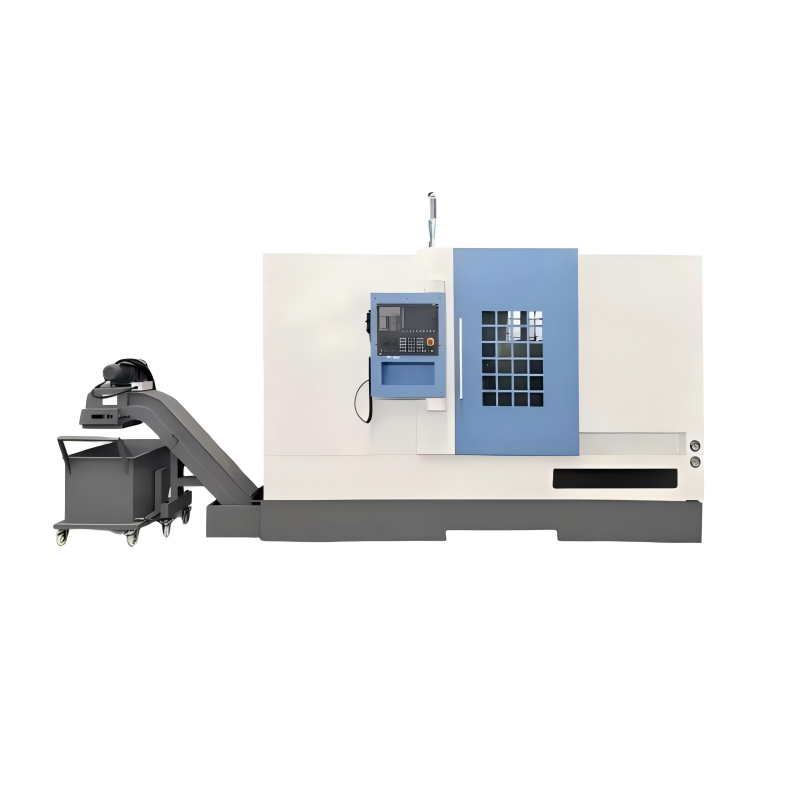
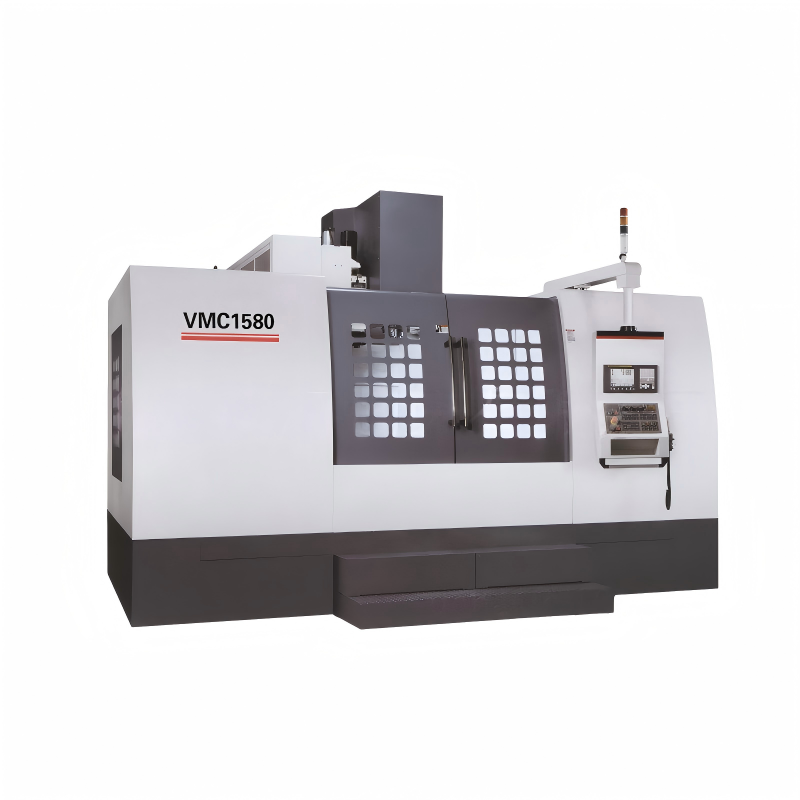
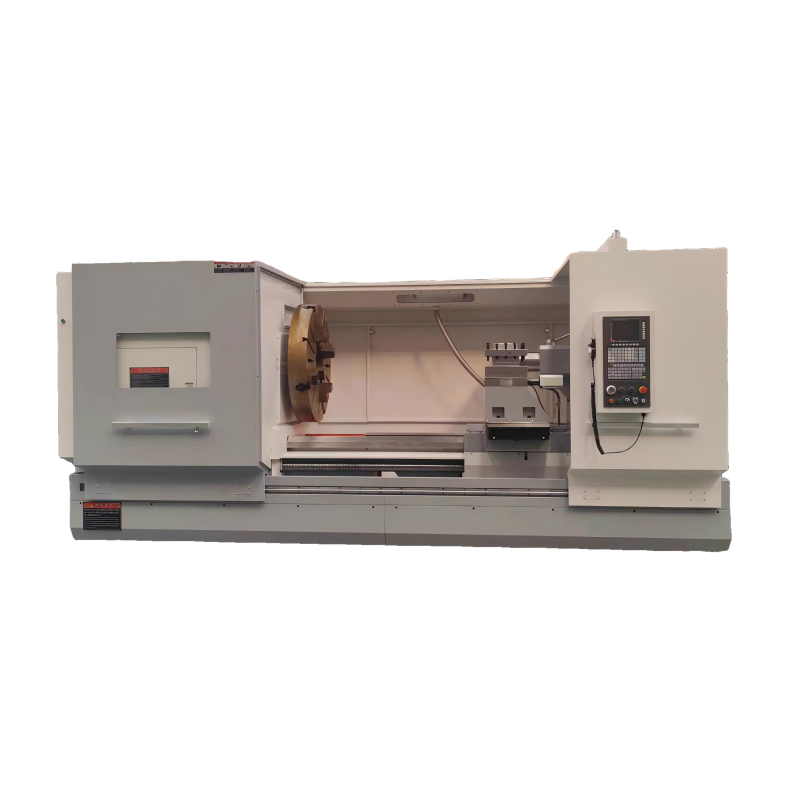
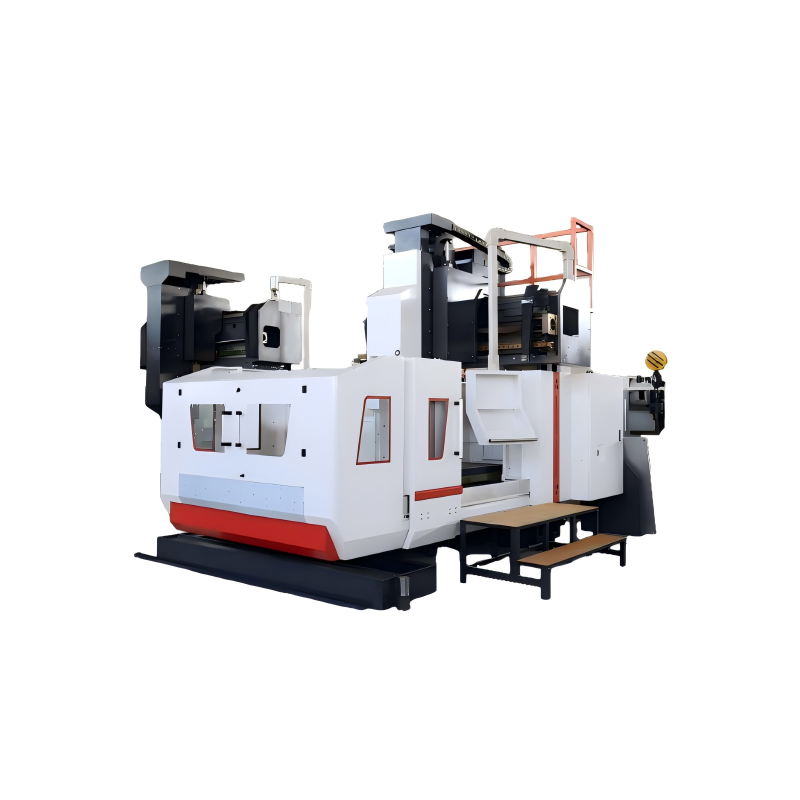
In the realm of precision manufacturing, CNC lathes play a pivotal role in producing high-quality components with tight tolerances. The design and construction of these machines are crucial for their performance, and one key aspect that significantly impacts their efficiency is the rail system. This technical report will explore the impact of hard rail designs on CNC Lathe performance, focusing specifically on the Box way / Hard rail CNC lathe.
The use of hard rails, particularly in the form of box ways, offers superior rigidity and stability compared to other rail systems. Box ways, which are essentially rectangular channels milled into the machine bed, provide a large surface area for the sliding components. This increased contact area reduces deflection and vibration during operation, leading to more precise and consistent machining results. The rigid structure of the box way also ensures that the cutting tool remains in a fixed position, minimizing any potential errors due to movement or flexing.
Furthermore, the robust nature of hard rails allows them to withstand heavy loads and high-speed operations without compromising accuracy. This is particularly important in industries such as aerospace and automotive, where the demand for high-precision components is critical. The enhanced rigidity and stability provided by hard rails contribute to the overall reliability and longevity of the CNC lathe, making it a preferred choice for manufacturers who require consistent and high-quality output.
Thermal stability is another significant factor that influences the performance of CNC lathes. During operation, the machine generates heat, which can cause thermal expansion and contraction of the machine components. This thermal behavior can lead to dimensional inaccuracies and affect the quality of the machined parts. Hard rails, especially those made from materials with low thermal expansion coefficients, help mitigate these issues.
Box ways, for instance, are often made from cast iron, which has a relatively low coefficient of thermal expansion. This material property, combined with the large contact area of the box way, helps distribute the heat more evenly, reducing the risk of localized thermal deformation. Additionally, the design of the box way allows for better heat dissipation, further enhancing the thermal stability of the CNC lathe. As a result, the machine can maintain its accuracy over extended periods of operation, even under varying thermal conditions.
One of the primary advantages of using hard rails in CNC lathes is their ability to handle heavy loads. The box way design, with its large contact area and robust construction, can support significant weight and force without degrading performance. This is particularly beneficial in applications that involve the machining of large, heavy, or complex workpieces. The increased load capacity of hard rails ensures that the CNC lathe can operate efficiently and accurately, even when dealing with demanding tasks.
Moreover, the durability of hard rails is a key factor in extending the lifespan of the CNC lathe. Box ways, for example, are designed to withstand the wear and tear associated with continuous use. The sliding surfaces of the box way are typically hardened and coated with a wear-resistant material, such as chrome plating or ceramic, to enhance their durability. This treatment not only increases the service life of the rails but also reduces the need for frequent maintenance and replacement, resulting in lower operational costs and downtime.
Maintenance is a critical aspect of ensuring the long-term performance of CNC lathes. Hard rails, particularly box ways, are known for their low maintenance requirements. The robust design and durable materials used in hard rails minimize the need for frequent adjustments and repairs. The sliding surfaces of the box way are often self-lubricating, which reduces the frequency of lubrication and the risk of contamination from external debris.
Additionally, the enclosed nature of the box way design provides protection against dust, chips, and other contaminants that can accumulate on the rail surfaces. This protection helps maintain the smooth operation of the sliding components and prevents premature wear. The reduced maintenance requirements and increased longevity of hard rails make them an attractive option for manufacturers looking to optimize their production processes and minimize downtime.
The design of the rail system in a CNC lathe has a profound impact on its performance, and the use of hard rails, such as box ways, offers several significant advantages. Enhanced rigidity and stability, improved thermal stability, increased load capacity and durability, and reduced maintenance and longevity are all key benefits that contribute to the overall efficiency and reliability of the CNC lathe. For manufacturers seeking to achieve high-precision and consistent results, the Box way / Hard rail CNC lathe is a highly effective solution that can meet the demands of modern manufacturing environments.
 17/06/2026
In the world of CNC (Computer Numerical Control) lathes, the choice between a box way and a linear guide system can significantly impact the machine's performance, durability, and overall cost-effectiveness. This technical report aims to provide an in-dep
Read More17/06/2026Box way CNC lathes, also known as hard rail CNC lathes, have become a staple in modern manufacturing environments due to their robustness and precision. These machines are designed to handle heavy-duty operations with high accuracy, making them ideal for
Read More16/06/2026In the realm of heavy-duty CNC lathe applications, the choice between box way and hard rail systems is a critical decision that can significantly impact the performance, durability, and overall efficiency of the machine. This technical report delves into
Read More16/06/2026In the realm of precision manufacturing, CNC lathes are indispensable tools that demand meticulous maintenance to ensure optimal performance and longevity. Among the various components of a CNC lathe, the box way, also known as the hard rail, plays a crit
Read More16/06/2026In the realm of precision machining, CNC lathes are indispensable tools that enable manufacturers to produce parts with high accuracy and efficiency. Among the different types of CNC lathes, those equipped with hard rail systems, also known as box way lat
Read More15/06/2026Understanding the Basics of Box Way Technology in CNC LathesIn the realm of precision machining, the choice between box way and linear guide systems for CNC lathe applications significantly impacts overall performance. Box ways, also known as box slides,
Read More15/06/2026In the world of precision manufacturing, the role of CNC lathes cannot be overstated. These machines are pivotal for producing parts with high accuracy and repeatability. Among the various components that contribute to a CNC lathe's performance, the guidi
Read More15/06/2026In the realm of modern manufacturing, precision is not just a preference but a necessity. One of the key components that ensure this precision in CNC lathes is the box way or hard rail system. This technical report aims to provide an in-depth understandin
Read MoreOur professional sales team is always ready to assist you.