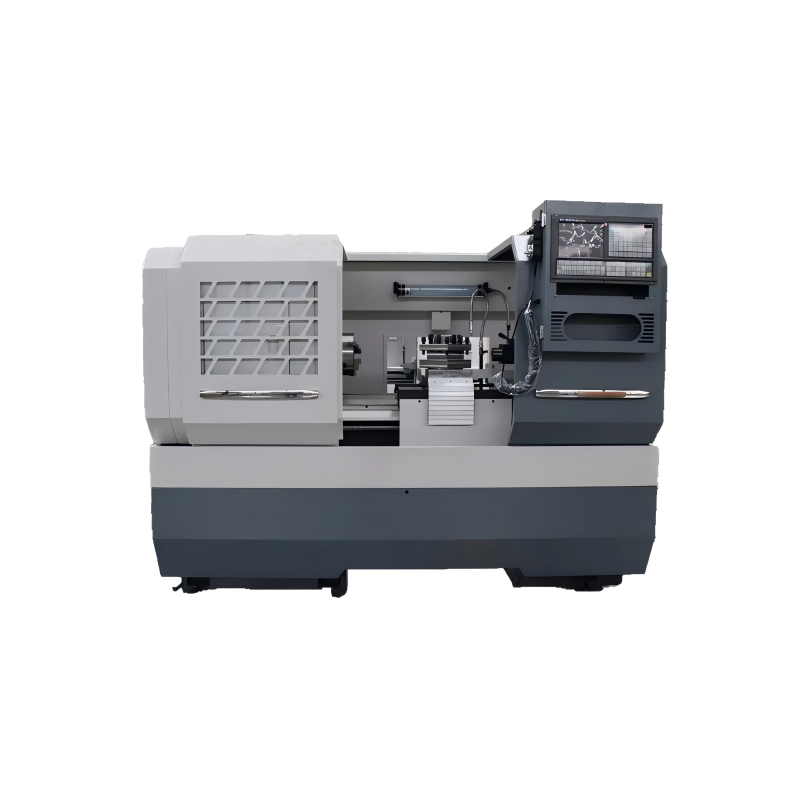
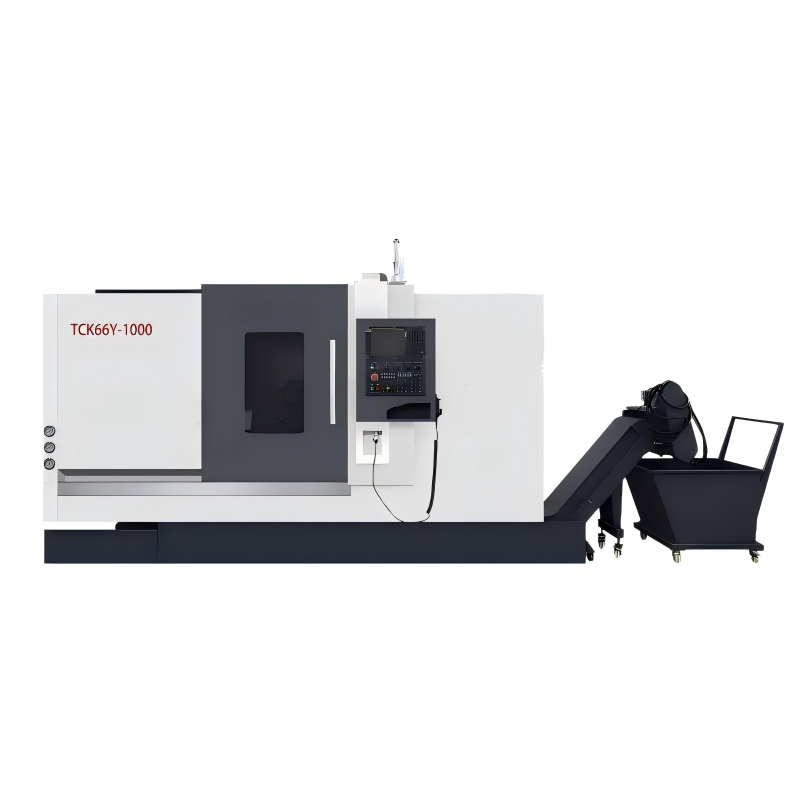
In the realm of precision manufacturing, the role of a Turning Lathe Machine cannot be overstated. As technology advances, so does the capability and efficiency of these machines. One such innovation is the fully automatic horizontal CNC lathes, which have become indispensable in modern machining environments. This report delves into how advanced features of a turning lathe, particularly those found in fully automatic horizontal CNC Lathes, can significantly enhance productivity.
Automation: The Key to Consistent Quality and Efficiency
The integration of automation in turning lathe machines, especially with the advent of Fully automatic horizontal CNC l, has revolutionized the way parts are manufactured. Automation not only reduces human error but also ensures that each part is machined to the exact specifications every single time. This consistency is crucial in industries where precision is paramount, such as aerospace, automotive, and medical devices. Automated systems can operate 24/7 without breaks, leading to increased output and reduced production times. Moreover, they can handle complex operations with ease, allowing for the creation of intricate designs that would be challenging or impossible to achieve manually.
Advanced Tooling Systems for Enhanced Flexibility
One of the most significant advancements in fully automatic Horizontal CNC Lathes is the development of sophisticated tooling systems. These systems enable the machine to perform a wide array of operations, from simple turning to more complex tasks like threading, drilling, and milling. The ability to switch between different tools automatically, without manual intervention, greatly increases the machine's flexibility and versatility. This means that a single machine can handle multiple processes, reducing the need for additional equipment and streamlining the production line. Additionally, advanced tool management systems ensure that the right tool is used at the right time, further enhancing the efficiency and accuracy of the machining process.
Real-Time Monitoring and Data Analysis for Continuous Improvement
Modern fully automatic horizontal CNC lathes come equipped with real-time monitoring and data analysis capabilities. These features allow operators to keep a close eye on the performance of the machine and the quality of the parts being produced. Sensors and software collect data on various parameters, including spindle speed, feed rates, and cutting forces, providing valuable insights into the machining process. By analyzing this data, manufacturers can identify potential issues before they lead to defects or downtime. Furthermore, this information can be used to optimize the machining parameters, leading to improved productivity and reduced waste. The ability to make data-driven decisions is a game-changer in the industry, enabling continuous improvement and cost savings.
User-Friendly Interfaces and Training Programs
While the technology behind fully automatic horizontal CNC lathes is highly advanced, it is equally important that these machines are user-friendly. Modern CNC lathes come with intuitive interfaces that simplify the programming and operation of the machine. This makes it easier for operators to set up and run jobs, even if they are not highly skilled in CNC programming. Additionally, many manufacturers offer comprehensive training programs to help operators and maintenance personnel get up to speed quickly. These programs cover everything from basic machine operation to advanced troubleshooting techniques, ensuring that the workforce is well-equipped to maximize the machine's potential. User-friendly interfaces and robust training programs contribute to a smoother transition to new technology and a more productive work environment.
Conclusion
The fully automatic horizontal CNC lathes represent a significant leap forward in the field of precision manufacturing. By leveraging advanced features such as automation, sophisticated tooling systems, real-time monitoring, and user-friendly interfaces, these machines can dramatically enhance productivity, reduce costs, and improve the overall quality of the products. As the industry continues to evolve, the adoption of such advanced technologies will be crucial for staying competitive and meeting the growing demands of the market.
 29/06/2026



