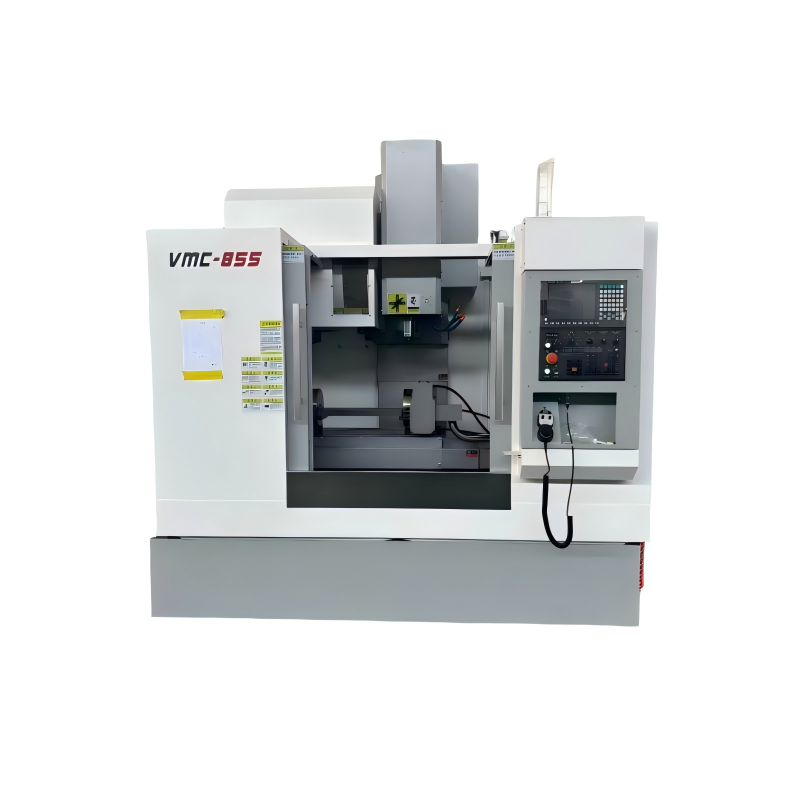
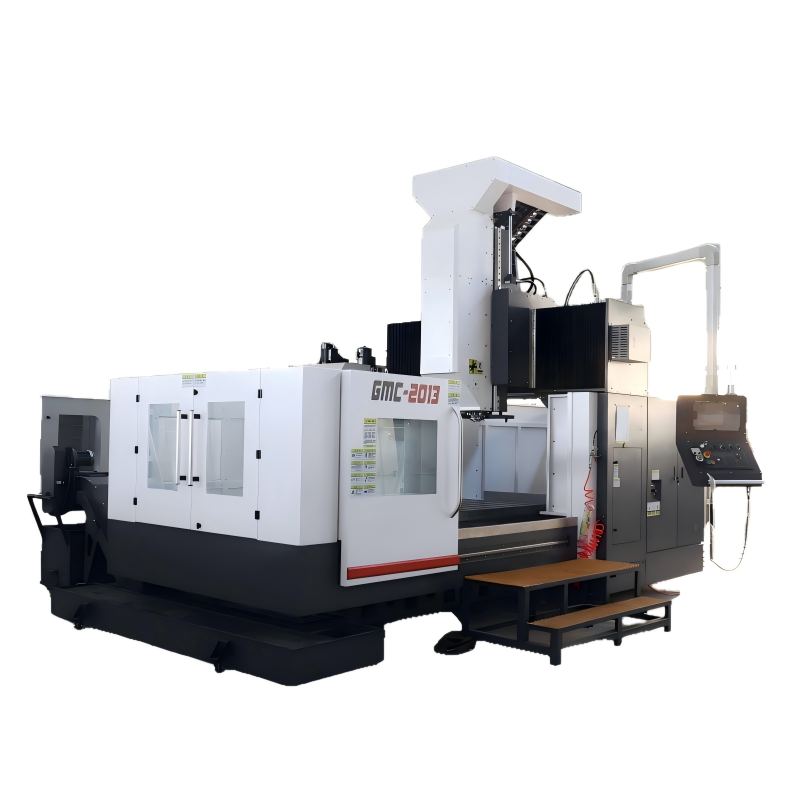
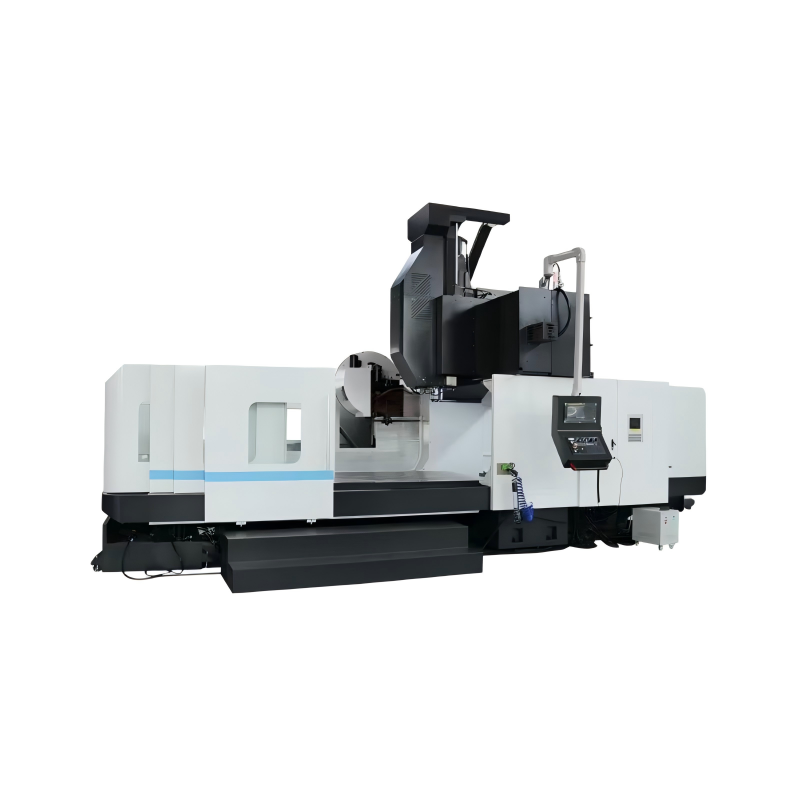
In the ever-evolving world of manufacturing, high-precision machining has become a cornerstone for achieving superior product quality and efficiency. The integration of advanced technology into traditional machining processes, such as the use of high rigidity CNC lathe made in China, has enabled manufacturers to produce components with unparalleled accuracy and consistency. This report delves into the key aspects of enhancing productivity through the use of high-precision milling machine tools, highlighting the importance of technological advancements, process optimization, and the role of skilled labor.
Advancements in technology have revolutionized the way precision machining is performed. Modern CNC (Computer Numerical Control) machines, including the high rigidity CNC Lathe made in China, are equipped with sophisticated software and hardware that allow for precise control over the cutting process. These machines can achieve tolerances as tight as a few micrometers, making them ideal for applications where accuracy is paramount. The integration of real-time monitoring systems and adaptive control technologies further enhances the precision and reliability of these machines.
Moreover, the use of 5-axis Machining Centers and multi-tasking machines has expanded the capabilities of precision machining. These machines can perform multiple operations in a single setup, reducing the need for repositioning and minimizing the risk of errors. The ability to machine complex geometries and intricate features with high accuracy has opened up new possibilities in industries such as aerospace, automotive, and medical devices.
Optimizing the machining process is crucial for maximizing productivity while maintaining high levels of precision. One of the key strategies is to implement lean manufacturing principles, which focus on eliminating waste and improving workflow. This includes streamlining the setup and changeover processes, reducing downtime, and ensuring that the machines are running at their optimal capacity.
Another important aspect is the selection and management of cutting tools. High-performance cutting tools, designed for specific materials and applications, can significantly improve machining efficiency. Regular maintenance and timely replacement of worn-out tools are essential to prevent tool failure and maintain consistent performance. Additionally, the use of advanced cutting fluids and coolants can help in reducing tool wear and improving surface finish.
Automation and robotics also play a significant role in process optimization. Automated material handling systems, robotic loading and unloading, and automated inspection systems can reduce human intervention, minimize errors, and increase overall throughput. The integration of these systems with CNC machines, such as the High rigidity CNC lathe made in China, can create a highly efficient and seamless production line.
Despite the advancements in technology, the role of skilled labor remains indispensable in high-precision machining. Skilled machinists and engineers are essential for programming and operating the CNC machines, as well as for troubleshooting and maintaining the equipment. They possess the expertise to interpret complex engineering drawings, select appropriate cutting parameters, and ensure that the machines are set up correctly.
Training and continuous education are critical for keeping the workforce up-to-date with the latest technologies and best practices. Many manufacturers invest in training programs and partnerships with educational institutions to develop a skilled workforce. This not only enhances the capabilities of the existing employees but also helps in attracting and retaining talent in the industry.
Furthermore, the collaboration between skilled labor and advanced technology is vital for achieving the desired level of precision and productivity. While machines can perform the actual cutting, it is the human touch that ensures the process is optimized and the end product meets the required specifications. The synergy between skilled machinists and high-precision milling machine tools, such as the high rigidity CNC lathe made in China, is the key to successful and efficient manufacturing.
The future of high-precision machining lies in the continued integration of advanced technology, process optimization, and the development of a skilled workforce. As the demand for high-precision components continues to grow, manufacturers must stay ahead of the curve by adopting the latest technologies and best practices. The use of high-precision milling machine tools, such as the high rigidity CNC lathe made in China, will remain a critical factor in achieving the desired levels of accuracy and productivity.
By leveraging the power of automation, real-time monitoring, and adaptive control, manufacturers can enhance their competitive edge and meet the stringent requirements of various industries. The ongoing collaboration between skilled labor and advanced technology will continue to drive innovation and excellence in high-precision machining, ensuring that the industry remains at the forefront of manufacturing excellence.
 22/06/2026
In the rapidly evolving world of manufacturing, high rigidity CNC lathes made in China have emerged as a significant player, offering precision, efficiency, and reliability. This report delves into the future of these machines, exploring their technologic
Read More22/06/2026The Evolution of CNC Technology in China: A Focus on High Rigidity LathesOver the past few decades, China has emerged as a global leader in the manufacturing sector, particularly in the production of advanced machinery. One significant development is the
Read More19/06/2026High rigidity CNC lathes, especially those made in China, have significantly transformed the landscape of modern industrial processes. These machines are designed to handle heavy-duty operations with precision and efficiency, making them indispensable in
Read More19/06/2026China's manufacturing industry has undergone a significant transformation over the past few decades, evolving from a low-cost producer to a global leader in high-precision machinery. One of the key areas where this transformation is evident is in the prod
Read More18/06/2026In the realm of precision manufacturing, the adoption of advanced machinery plays a pivotal role in enhancing productivity and maintaining high-quality standards. Among these, High rigidity CNC lathe made in China stands out as an exemplary solution, offe
Read More18/06/2026The manufacturing industry has seen significant advancements over the past few decades, with China emerging as a global leader in the production of high-precision machinery. One of the key areas where Chinese manufacturers have excelled is in the developm
Read More17/06/2026In the world of precision manufacturing, selecting the right high rigidity CNC lathe is crucial for achieving optimal performance and efficiency. As China has emerged as a leading producer of high-quality machining equipment, understanding the key factors
Read More17/06/2026Understanding the Core of High Rigidity CNC LathesIn the realm of precision manufacturing, high rigidity CNC lathes stand out as a cornerstone technology. These machines, characterized by their exceptional stability and accuracy, are designed to handle a
Read More16/06/2026In the rapidly evolving landscape of manufacturing, high rigidity CNC lathes made in China have emerged as a pivotal force, reshaping the future of machining. This report delves into the advancements, benefits, and implications of these cutting-edge machi
Read More16/06/2026The manufacturing industry is undergoing a transformative phase, driven by technological advancements and the pursuit of higher efficiency. Among these changes, high rigidity CNC lathes made in China are playing a pivotal role. These machines are not only
Read More15/06/2026China has emerged as a leading player in the global manufacturing sector, particularly when it comes to high-precision machinery. One of the standout products in this category is the high rigidity CNC lathe made in China. These machines are designed to me
Read More15/06/2026The advancement of manufacturing technology has led to the development of more sophisticated and efficient machinery. One such innovation is the high rigidity CNC lathe, a piece of equipment that stands out for its precision, durability, and versatility.
Read MoreOur professional sales team is always ready to assist you.