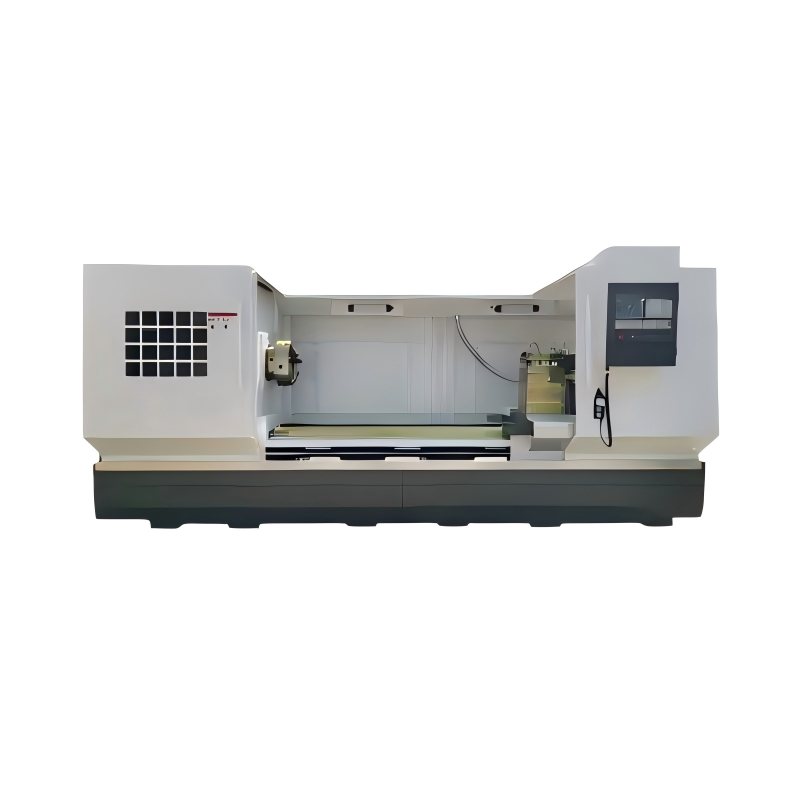
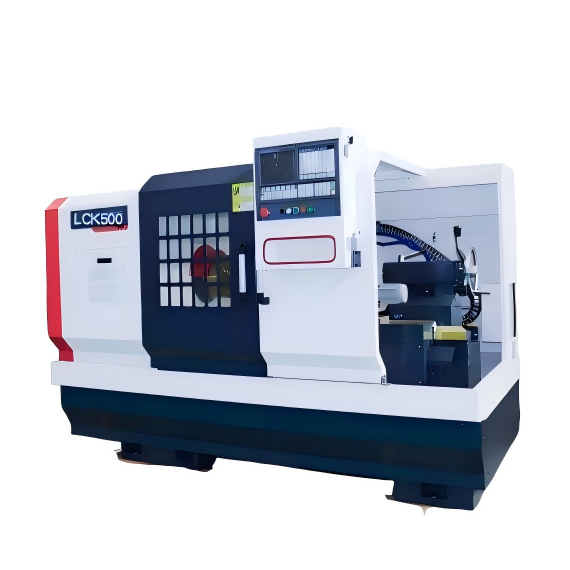
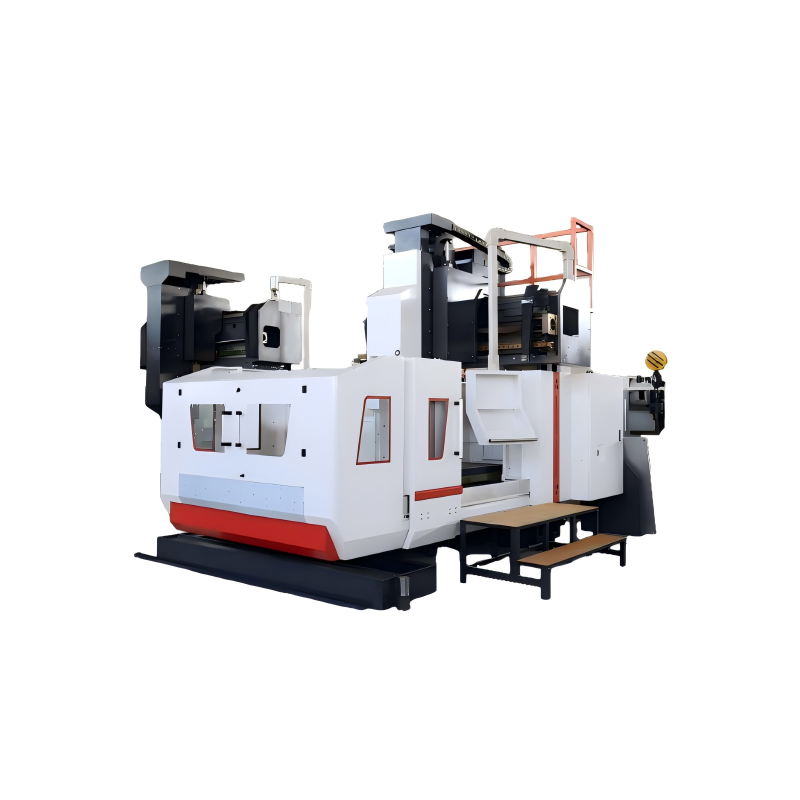
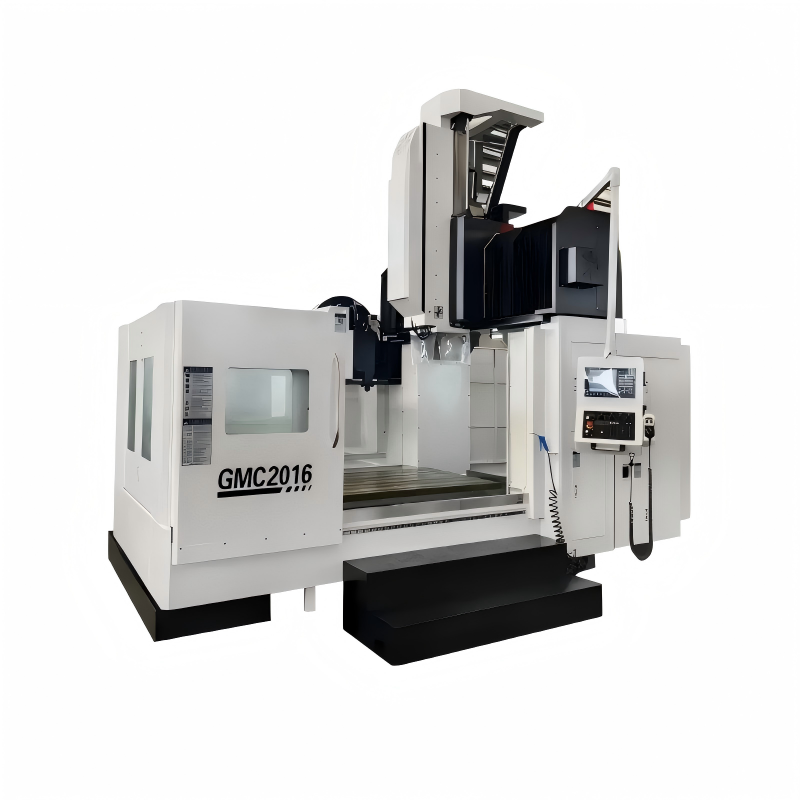
In the realm of modern manufacturing, the demand for high-accuracy components has never been greater. precision milling machine systems play a crucial role in meeting these demands, offering unparalleled accuracy and efficiency. This report explores how precision milling systems enhance manufacturing processes by improving product quality, increasing production speed, and reducing operational costs. Through advanced technology and innovative design, these machines are setting new standards in the industry. The analysis will cover the importance of precision in machining, the technological advancements driving precision milling, and the economic benefits associated with their use. By understanding these aspects, manufacturers can make informed decisions to optimize their operations.
Precision milling machine system is essential for achieving the tight tolerances required in many industries, such as aerospace, automotive, and medical devices. These sectors demand components that are not only precise but also consistent, ensuring that every part meets the exact specifications. A precision milling machine system provides the necessary level of accuracy to meet these stringent requirements, thereby enhancing the overall quality of the final product. The ability to produce parts with minimal variation ensures that they fit together seamlessly, reducing the need for rework and improving the reliability of the end product.
Consistency is key in any manufacturing process, and precision milling machine systems excel at maintaining this consistency across multiple production batches. By using advanced control systems and high-precision tooling, these machines can replicate the same high-quality results time after time. This repeatability is crucial for mass production, where even small variations can lead to significant issues down the line. The use of precision milling systems helps manufacturers achieve a high degree of uniformity, which is essential for maintaining the integrity and performance of the final products.
One of the key technological advancements in precision milling machine systems is the integration of advanced control systems. These systems, often based on computer numerical control (CNC), allow for highly accurate and repeatable machining. CNC technology enables the machine to follow complex, multi-axis paths with incredible precision, making it possible to produce intricate and detailed components. Additionally, real-time monitoring and feedback systems ensure that the machine maintains optimal performance, automatically adjusting for any deviations to maintain the highest level of accuracy.
The development of new and improved cutting tools and materials has also significantly enhanced the capabilities of precision milling machine systems. High-speed steel (HSS) and carbide tools, for example, offer superior wear resistance and cutting performance, allowing for faster and more efficient machining. Moreover, the use of advanced coatings, such as diamond-like carbon (DLC) and titanium nitride (TiN), further enhances tool life and reduces friction, leading to better surface finishes and longer tool life. These advancements in tooling and materials have made it possible to achieve higher precision and productivity, even when working with challenging materials.
One of the most significant economic benefits of using a precision milling machine system is the reduction in operational costs. These machines are designed to be highly efficient, minimizing material waste and reducing the need for rework. By producing parts with high accuracy and consistency, manufacturers can avoid the costly errors and rejections that often occur with less precise machinery. Additionally, the automation and advanced control systems integrated into these machines reduce the need for manual intervention, leading to lower labor costs and increased productivity. The overall cost savings can be substantial, making precision milling systems a cost-effective solution for many manufacturing operations.
Another economic benefit of precision milling machine systems is their ability to increase production speed and efficiency. These machines are capable of operating at high speeds while maintaining exceptional accuracy, allowing for faster throughput without compromising on quality. The use of multi-axis machining and simultaneous operations further enhances productivity, enabling the production of complex parts in a single setup. This not only speeds up the manufacturing process but also reduces the time and effort required for setup and changeover, leading to a more streamlined and efficient production line. The increased speed and efficiency translate into higher output and shorter lead times, providing a competitive advantage in the market.
 05/06/2026
Choosing the right precision milling machine system for your specific needs is a critical decision that can significantly impact the quality and efficiency of your manufacturing processes. This guide aims to provide an in-depth analysis, covering key aspe
Read More04/06/2026In the realm of manufacturing, precision is not just a preference but a necessity. A precision milling machine system stands at the heart of this requirement, offering solutions that are both accurate and efficient for a wide range of applications. This g
Read More04/06/2026In today's rapidly evolving manufacturing landscape, the integration of advanced technologies into precision milling machine systems has become a critical factor for enhancing operational efficiency and product quality. This technical report explores how
Read More04/06/2026In the realm of modern manufacturing, precision milling machines play a crucial role in producing high-accuracy components. The integration of advanced software into these systems has revolutionized how milling operations are conducted, enhancing not only
Read More04/06/2026In today's fast-paced manufacturing environment, the integration of a precision milling machine system can significantly enhance the efficiency and output quality of production lines. This technical report explores how such a system not only improves the
Read More04/06/2026In the rapidly evolving landscape of modern manufacturing, precision milling machine systems have emerged as a cornerstone technology, offering unparalleled accuracy and efficiency. This report delves into the advantages that precision milling brings to t
Read More04/06/2026In the realm of modern manufacturing, precision milling machine systems play a crucial role in producing high-accuracy components. The integration of advanced software into these systems has revolutionized the way parts are designed, manufactured, and ins
Read MoreOur professional sales team is always ready to assist you.