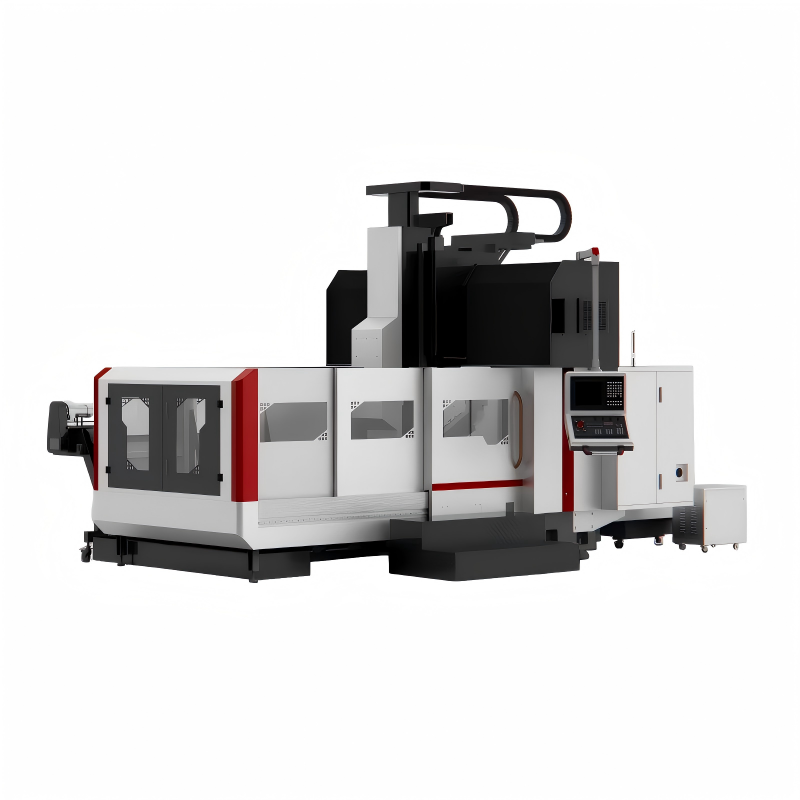
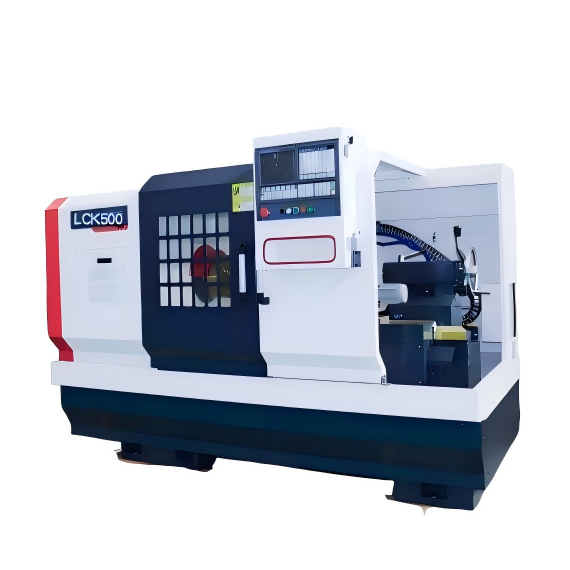
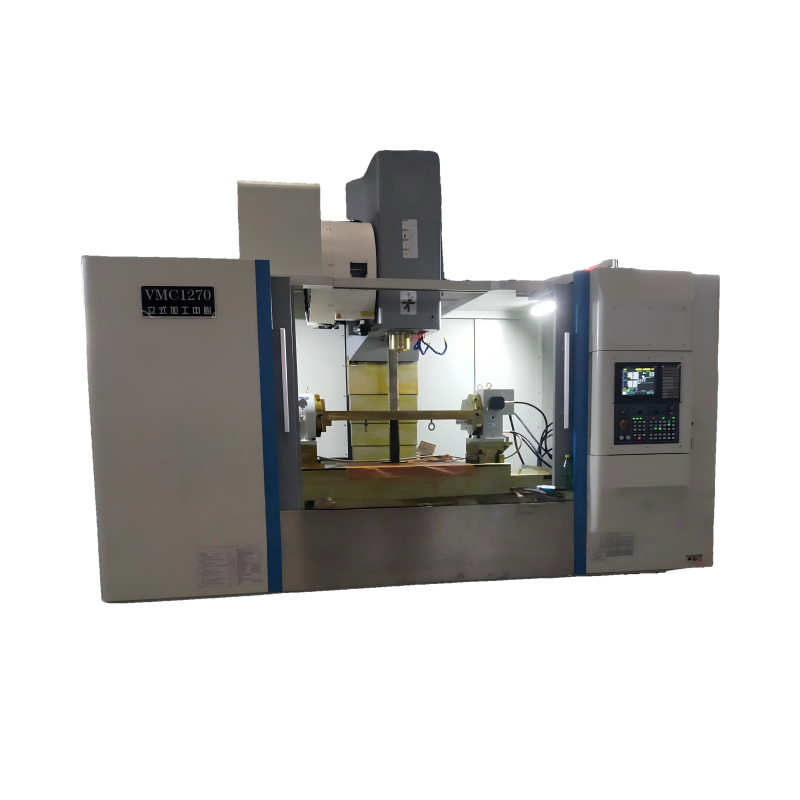
As a VMC machine supplier in China, it is crucial to ensure that the equipment we provide not only meets high standards of quality but also remains operational and efficient over its lifespan. One such piece of machinery, the turning lathe, plays a pivotal role in many manufacturing processes. Proper maintenance is essential for maximizing the performance and longevity of these machines. This technical report delves into the critical aspects of maintaining your turning lathe, with a focus on key practices that can significantly enhance its reliability and productivity.
Maintenance is often viewed as an additional cost, but in reality, it is an investment in the long-term health and efficiency of your turning lathe. A well-maintained machine operates more efficiently, reducing downtime and minimizing the likelihood of unexpected breakdowns. For a VMC machine supplier in China, ensuring that customers understand the importance of regular maintenance is a priority. By following a structured maintenance schedule, you can identify and address potential issues before they escalate, thereby extending the life of your machine and ensuring consistent performance.
To keep your turning lathe in optimal condition, it is essential to regularly inspect and maintain several key components. These include the spindle, tooling, lubrication system, and electrical connections. The spindle is the heart of the lathe, and any wear or misalignment can lead to significant performance issues. Regularly checking the spindle for signs of wear and ensuring proper alignment is crucial. Tooling should be inspected for damage and replaced as needed to maintain cutting accuracy. The lubrication system must be kept clean and properly functioning to prevent excessive friction and heat, which can cause premature wear. Lastly, electrical connections should be checked for corrosion and loose connections, as these can lead to power fluctuations and other electrical issues.
A preventive maintenance schedule is a proactive approach to maintaining your turning lathe. This schedule should outline specific tasks to be performed at regular intervals, such as daily, weekly, monthly, and annually. Daily tasks might include cleaning the machine, checking for leaks, and inspecting the work area for debris. Weekly tasks could involve lubricating moving parts, checking the coolant level, and inspecting the tooling. Monthly tasks may include more thorough inspections of the spindle, bearings, and electrical components. Annually, a comprehensive service by a qualified technician is recommended to ensure all systems are operating correctly. By adhering to this schedule, you can minimize the risk of unexpected downtime and extend the life of your machine.
Proper training and documentation are essential for effective maintenance. Operators and maintenance personnel should be trained on the correct procedures for operating and maintaining the turning lathe. This includes understanding the manufacturer’s guidelines, recognizing signs of wear and potential issues, and knowing how to perform routine maintenance tasks. Documentation, such as maintenance logs and service records, should be kept up to date to track the history of the machine and ensure that all maintenance activities are performed on time. For a VMC machine supplier in China, providing comprehensive training and documentation to customers is a key part of our service, ensuring that they have the knowledge and resources to keep their machines running smoothly.
Modern turning lathes are equipped with advanced diagnostic tools that can help identify potential issues before they become critical. These tools, such as vibration analysis, thermal imaging, and condition monitoring systems, can provide valuable insights into the health of the machine. By regularly using these diagnostic tools, you can detect early signs of wear, imbalance, or other issues that could lead to failures. For example, vibration analysis can help identify misaligned or worn components, while thermal imaging can reveal hot spots that may indicate excessive friction or electrical problems. Integrating these tools into your maintenance routine can significantly improve the reliability and performance of your turning lathe.
In conclusion, maintaining your turning lathe is a critical aspect of ensuring its longevity and efficiency. By understanding the importance of regular maintenance, inspecting and maintaining key components, implementing a preventive maintenance schedule, providing proper training and documentation, and utilizing advanced diagnostic tools, you can keep your machine in top condition. As a VMC machine supplier in China, we are committed to supporting our customers in these efforts, ensuring that their turning lathes continue to operate at peak performance for years to come.
 30/06/2026
When it comes to optimizing the performance of a flat bed lathe, there are several key strategies that can significantly enhance productivity. This technical report delves into practical tips and best practices for maximizing the efficiency and output of
Read More30/06/2026As a leading VMC Machine Supplier China, our commitment to excellence in metalworking technology is unwavering. In this technical report, we delve into the mastery of metalworking with a flat bed lathe, an essential tool for precision and efficiency in th
Read More30/06/2026In the realm of manufacturing, the acquisition of machinery such as VMC (Vertical Machining Center) machines is a critical step. This process often begins with a Request for Quotation (RFQ), which serves as a foundational document in the procurement of su
Read More30/06/2026As the manufacturing industry continues to evolve, the demand for precision and efficiency in machining processes has never been higher. A turning lathe machine, a cornerstone of modern manufacturing, plays an essential role in achieving these goals. In t
Read More30/06/2026When discussing the fundamental aspects of machining, a flat bed lathe is one of the essential tools in any workshop. This machine plays a crucial role in shaping and turning metal, wood, or plastic into precise cylindrical forms. Understanding its basic
Read More30/06/2026China, a global leader in manufacturing, is home to numerous VMC Machine Supplier China companies that specialize in producing advanced machining centers. One of the most notable categories among these is the pipe thread machining center, which has seen s
Read More29/06/2026When it comes to the world of machining, versatility is key. A machine that can handle a wide range of projects without compromising on precision or efficiency is invaluable. In this context, the 630mm swing conventional lathe stands out as an excellent c
Read More28/06/2026In the realm of modern manufacturing, precision and efficiency are paramount. One of the key tools that have revolutionized the industry is the CNC (Computer Numerical Control) lathe. Among the various types of CNC lathes, box way CNC lathes stand out for
Read More27/06/2026Introduction to VMC Machine Supplier China and Gantry Design InnovationsIn the rapidly evolving landscape of manufacturing, the integration of advanced technologies has become a necessity for staying competitive. One such technology that has seen signific
Read More23/06/2026In the realm of modern manufacturing, the CNC milling machine gantry stands as a pivotal piece of equipment, embodying the pinnacle of precision and efficiency. This report delves into the capabilities of CNC milling machine gantries, particularly focusin
Read More22/06/2026In the rapidly evolving world of manufacturing, the Vertical Machining Center (VMC) has emerged as a critical piece of equipment for precision machining. This report aims to provide an in-depth evaluation of VMC machines supplied by Chinese manufacturers,
Read More22/06/2026As the manufacturing sector continues to evolve, the demand for high-precision and efficient machining solutions has surged. In this context, VMC (Vertical Machining Center) machines have become indispensable tools for a wide range of industries, from aut
Read More22/06/2026In the rapidly evolving landscape of manufacturing and industrial processes, the role of advanced machinery has become increasingly critical. Among these, VMC (Vertical Machining Center) machines stand out as essential tools for precision engineering. Thi
Read More21/06/2026The rapid evolution of the manufacturing sector, driven by technological advancements and increasing demand for precision and efficiency, has placed Vertical Machining Centers (VMCs) at the forefront of modern industrial solutions. This report explores th
Read More21/06/2026In the rapidly evolving landscape of manufacturing, precision and efficiency are paramount. One of the key technologies driving this transformation is the Vertical Machining Center (VMC). As the Chinese market continues to grow, it has become a hub for VM
Read More21/06/2026Understanding the VMC Machine Supplier Market in ChinaIn today’s rapidly evolving manufacturing landscape, the demand for Vertical Machining Centers (VMCs) has surged, particularly in China, where the industry is witnessing a significant boom. A VMC machi
Read More20/06/2026In today’s globalized manufacturing landscape, businesses are increasingly turning to VMC (Vertical Machining Center) machine suppliers from China for their production needs. This shift is driven by a combination of factors, including cost-effectiveness,
Read More20/06/2026In recent years, the manufacturing industry has witnessed a significant transformation, driven largely by advancements in technology. Among these, Vertical Machining Centers (VMC) have emerged as key players in enhancing efficiency and precision. This rep
Read More20/06/2026China, a global leader in manufacturing, has become an increasingly important player in the supply of Vertical Machining Centers (VMCs), catering to a wide range of industries from automotive to aerospace. Navigating this market can be challenging for bus
Read More19/06/2026When it comes to selecting the right VMC (Vertical Machining Center) machine supplier in China, the process can be quite intricate. With a plethora of options available, it's crucial to make an informed decision that aligns with your specific requirements
Read More19/06/2026As the manufacturing sector in China continues to expand, the role of VMC (Vertical Machining Center) machine suppliers has become increasingly pivotal. These machines, known for their precision and versatility, are critical components in many production
Read More19/06/2026Understanding the Importance of VMC Machines in Modern ManufacturingIn today's rapidly evolving manufacturing landscape, the Vertical Machining Center (VMC) has become an indispensable tool for a wide range of industries. These machines are renowned for t
Read More18/06/2026When it comes to selecting a VMC (Vertical Machining Center) machine supplier based in China, the decision can significantly impact your manufacturing processes and overall productivity. With the increasing demand for precision and efficiency, choosing th
Read More18/06/2026Introduction to VMC Machines and Their Importance in Modern ManufacturingThe Vertical Machining Center (VMC) is a crucial piece of equipment in the manufacturing industry, known for its precision, versatility, and efficiency. As global demand for high-qua
Read More18/06/2026As the manufacturing industry continues to evolve, the demand for precision and efficiency has never been higher. One of the key technologies that have emerged as a cornerstone in this field is the Vertical Machining Center (VMC). VMC machines are highly
Read MoreOur professional sales team is always ready to assist you.