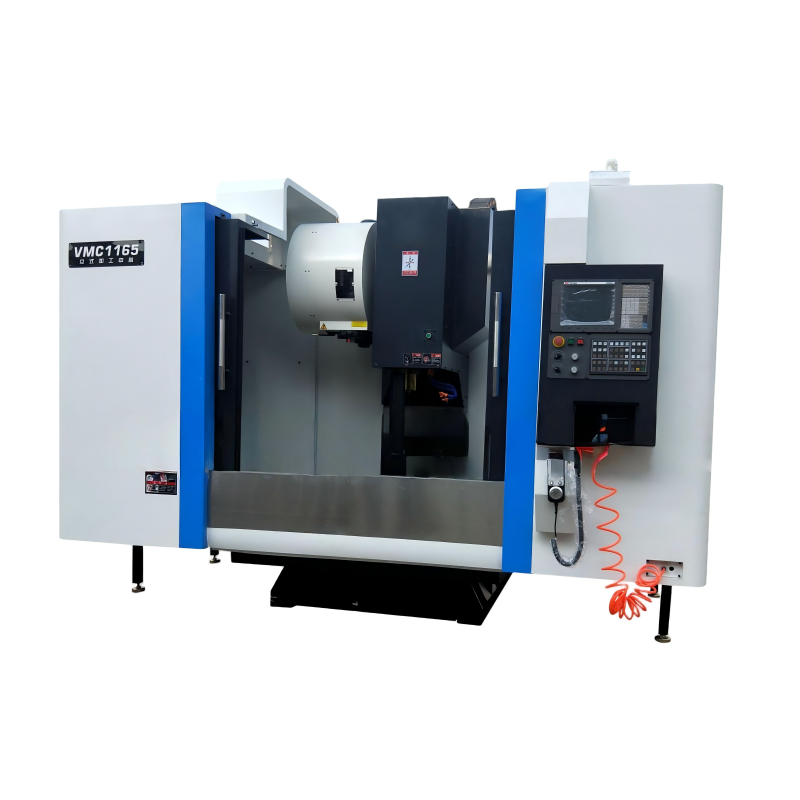
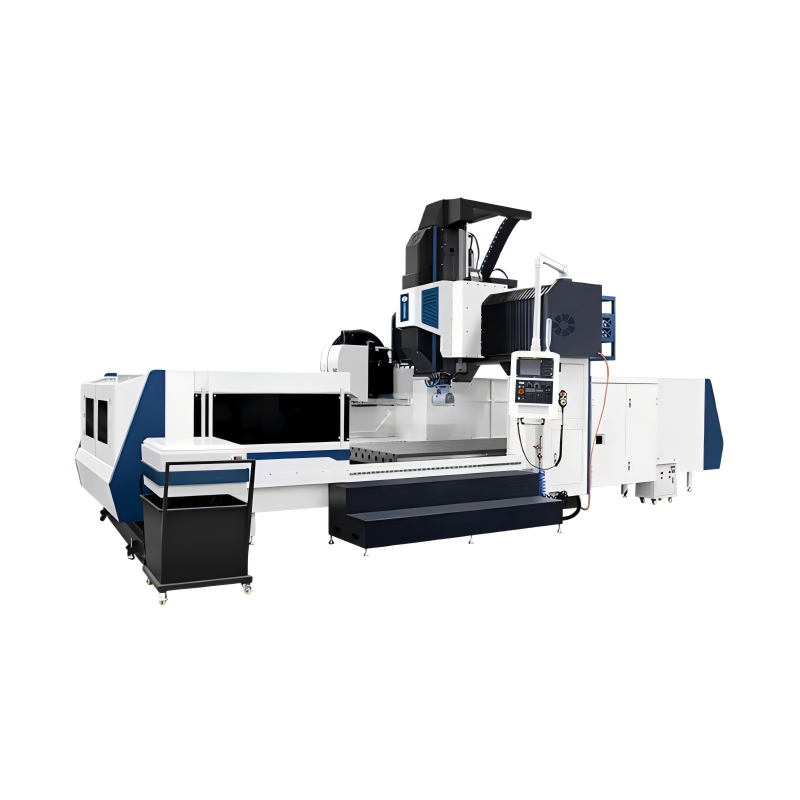
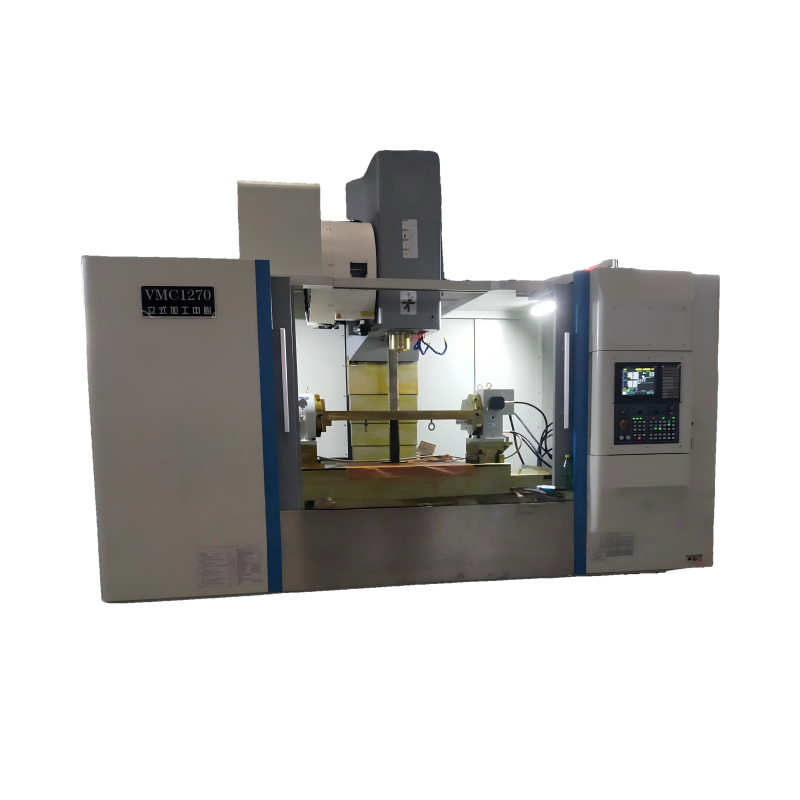
When considering the purchase of a Vertical Machining Center (VMC) machine, it's crucial to conduct a thorough evaluation of its capabilities to ensure that the investment aligns with your specific manufacturing needs. This report aims to guide you through the essential steps and considerations for evaluating VMC machines before making a Request for Quotation VMC Machine.
The first step in the evaluation process is to understand the technical specifications and features of the VMC machine. Key aspects to consider include the table size, spindle speed, rapid traverse rates, and axis travel. The table size determines the maximum workpiece dimensions that can be accommodated, while the spindle speed affects the machine's ability to handle different materials and cutting processes. Rapid traverse rates and axis travel are critical for determining the machine's efficiency and versatility in various machining operations.
Additionally, modern VMC machines often come equipped with advanced features such as automatic tool changers, coolant systems, and integrated software for programming and monitoring. These features can significantly enhance productivity and ease of use, but they also add to the overall cost. It's important to prioritize the features that are most relevant to your specific applications and budget constraints.
Once you have a clear understanding of the specifications and features, the next step is to assess the performance and reliability of the VMC machine. One effective way to do this is by requesting demonstrations or trials from the manufacturer. During these demonstrations, you can observe the machine in action and evaluate its performance under real-world conditions. Pay attention to factors such as accuracy, repeatability, and surface finish quality, as these are key indicators of the machine's precision and consistency.
Reliability is another critical factor to consider. A reliable VMC machine should be able to operate consistently over long periods without frequent breakdowns or maintenance issues. To gauge reliability, you can ask the manufacturer for references from existing customers or seek out independent reviews and case studies. Additionally, inquire about the warranty and after-sales support offered by the manufacturer, as these can provide valuable insights into the machine's long-term performance and the level of service you can expect.
While the initial purchase price is an important consideration, it's equally important to evaluate the total cost of ownership (TCO) of the VMC machine. TCO includes not only the purchase price but also ongoing costs such as maintenance, consumables, and energy consumption. Regular maintenance is essential for keeping the machine in optimal condition, and the cost of replacement parts and labor can add up over time. Consumables, such as cutting tools and coolant, are also recurring expenses that should be factored into the TCO.
Energy consumption is another significant cost factor, especially for high-performance VMC machines. Look for machines with energy-efficient designs and features such as variable-speed drives and regenerative braking systems, which can help reduce power consumption and lower operating costs. Additionally, consider the potential for future upgrades or expansions, as these can affect the long-term value and flexibility of the machine.
Another crucial aspect of evaluating a VMC machine is ensuring that it is compatible with your existing manufacturing processes and workflows. This includes compatibility with your current CAD/CAM software, tooling, and other equipment. If the VMC machine requires specialized software or tools, you may need to invest in additional training and resources to integrate it seamlessly into your operations.
Consider the ease of integration with your existing production line and the potential impact on your workflow. For example, if the VMC machine has a different control system or interface, your operators may need to undergo training to become proficient in using it. Additionally, evaluate the machine's automation capabilities, such as the ability to integrate with robotic loading and unloading systems, as these can significantly enhance productivity and reduce labor costs.
Evaluating the capabilities of a VMC machine before purchase is a comprehensive process that involves understanding the specifications and features, assessing performance and reliability, evaluating the total cost of ownership, and ensuring compatibility with your manufacturing processes. By following these steps, you can make an informed decision and select a VMC machine that meets your specific needs and provides the best value for your investment. Once you have completed your evaluation, you will be well-prepared to issue a Request for Quotation VMC Machine and move forward with confidence in your purchasing decision.
 30/06/2026
When it comes to acquiring a Vertical Machining Center (VMC) machine, the process of Request for Quotation VMC Machine is an essential step. This document not only serves as a means to obtain pricing information but also as a tool to ensure that the machi
Read More30/06/2026While the primary focus of this document is on exploring The Role of a Turning Lathe Machine in Modern Machining, it's important to note that many manufacturing processes often involve multiple types of machines, including VMC (Vertical Machining Center)
Read More30/06/2026Understanding the intricate workings of a Universal Milling Machine (UMC) is crucial for any manufacturer or engineer. This comprehensive guide aims to provide an in-depth exploration into the operational aspects, maintenance, and procurement processes as
Read More30/06/2026Understanding the Essentials of Request for Quotation VMC Machine is crucial for any manufacturing or engineering firm aiming to optimize their production processes through the acquisition of a Vertical Machining Center (VMC). A VMC machine represents an
Read More30/06/2026When it comes to acquiring a Vertical Machining Center (VMC) machine, the process of selecting the right supplier and model can be complex. A well-structured Request for Quotation (RFQ) plays an essential role in ensuring that you not only get the best va
Read More29/06/2026Understanding the Basics of VMC MachinesVertical Machining Centers (VMCs) are a type of CNC (Computer Numerical Control) machine that plays an indispensable role in various manufacturing processes. They are characterized by their vertical spindle orientat
Read More28/06/2026Understanding the Importance of a Request for Quotation (RFQ) in VMC Machine AcquisitionIn the world of manufacturing, the acquisition of high-precision machinery such as Vertical Machining Centers (VMC) is a critical investment. A well-prepared Request f
Read More27/06/2026When it comes to acquiring a VMC (Vertical Machining Center) machine, the process of Request for Quotation plays a critical role in ensuring that you get the best possible deal. This document serves as a guide, highlighting key considerations that should
Read More27/06/2026Understanding the Importance of Precision in VMC Machine SpecificationsWhen initiating a Request for Quotation (RFQ) for a Vertical Machining Center (VMC) machine, one of the most critical aspects is ensuring that all specifications are clearly and accura
Read More27/06/2026In today's competitive manufacturing landscape, the procurement of high-quality VMC (Vertical Machining Center) machines is a critical aspect that can significantly impact an organization's operational efficiency and cost structure. A strategic approach t
Read More27/06/2026In the realm of manufacturing, acquiring a Vertical Machining Center (VMC) machine is not just about choosing any available model; it's about finding the right fit for your specific needs. A well-structured Request for Quotation (RFQ) for a VMC Machine ca
Read More26/06/2026Requesting a quotation for VMC (Vertical Machining Center) machines is a critical step in the procurement process, especially for manufacturing and engineering firms. The right VMC machine can significantly enhance productivity and efficiency, but selecti
Read More26/06/2026The Significance of Precise Specifications in Request for Quotation VMC MachineWhen it comes to acquiring a Vertical Machining Center (VMC) machine, the accuracy and comprehensiveness of the Request for Quotation (RFQ) play a critical role in ensuring tha
Read More26/06/2026In today's competitive manufacturing landscape, the efficiency and precision of Vertical Machining Centers (VMC) play a crucial role in determining the success of production processes. A well-structured Request for Quotation (RFQ) for VMC machines can sig
Read More26/06/2026When it comes to acquiring a Vertical Machining Center (VMC) machine, submitting a Request for Quotation (RFQ) is a critical step in ensuring that you receive the best possible offer from suppliers. This process, if done correctly, can significantly strea
Read More25/06/2026Understanding the process of requesting a VMC (Vertical Machining Center) machine quotation is crucial for businesses looking to optimize their manufacturing processes. This guide aims to provide a comprehensive overview, from identifying the need for a V
Read More25/06/2026Request for Quotation (RFQ) processes are a cornerstone of procurement, especially in the context of acquiring complex machinery such as VMC (Vertical Machining Center) machines. These requests not only facilitate the acquisition of equipment but also ser
Read More25/06/2026When it comes to acquiring a VMC (Vertical Machining Center) machine, initiating a Request for Quotation is the first step in ensuring that you not only get the best deal but also a machine that meets all your specific needs. This document serves as a gui
Read More25/06/2026VMC machines, or Vertical Machining Centers, are essential in the manufacturing industry for their versatility and precision. However, acquiring a VMC machine can be a complex process, involving numerous steps and considerations. A well-structured Request
Read More24/06/2026When it comes to acquiring a Vertical Machining Center (VMC) machine, the process of obtaining a Request for Quotation (RFQ) is a critical step. This document not only helps in comparing different VMC machines but also ensures that you get the best value
Read More24/06/2026When it comes to acquiring a VMC (Vertical Machining Center) machine, the process of communicating your needs effectively in a Request for Quotation (RFQ) is crucial. A well-crafted RFQ not only helps suppliers understand your requirements but also ensure
Read More24/06/2026When it comes to acquiring a Vertical Machining Center (VMC) machine, the process of requesting a quotation is a critical step. This document aims to explore the role of detailed specifications in a VMC Machine Quotation Request, emphasizing how comprehen
Read More24/06/2026Understanding the Basics of VMC Machine and RFQThe process of acquiring a Vertical Machining Center (VMC) machine for industrial or manufacturing purposes often begins with a Request for Quotation (RFQ). This document is crucial as it lays out all the nec
Read More23/06/2026The process of acquiring a Vertical Machining Center (VMC) machine involves several critical steps, one of the most important being the Request for Quotation (RFQ). This document serves as a formal invitation to potential suppliers or manufacturers to bid
Read More23/06/2026In today's manufacturing landscape, the acquisition of a Vertical Machining Center (VMC) machine is a significant investment that requires careful planning and consideration. A well-crafted Request for Quotation (RFQ) can make all the difference in securi
Read More23/06/2026In today's rapidly evolving manufacturing landscape, the acquisition of high-precision machinery such as VMC (Vertical Machining Center) machines is crucial for businesses aiming to stay competitive. The process of acquiring these machines, however, can b
Read More23/06/2026In the realm of manufacturing and engineering, precision and efficiency are paramount. One such area where these qualities come to the fore is in the procurement of Vertical Machining Centers (VMC). A Request for Quotation (RFQ) serves as a critical docum
Read MoreOur professional sales team is always ready to assist you.