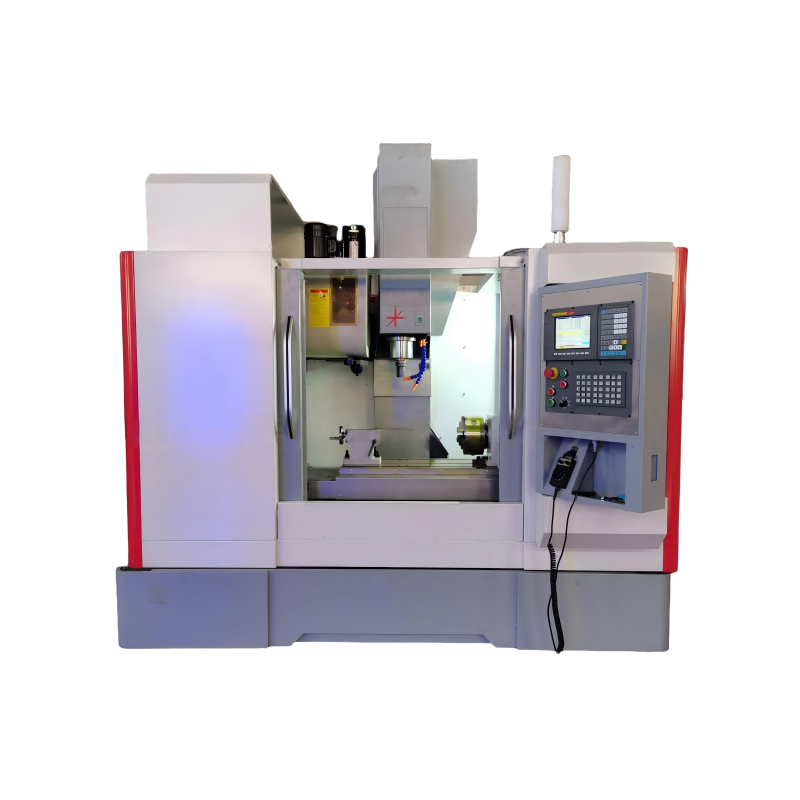
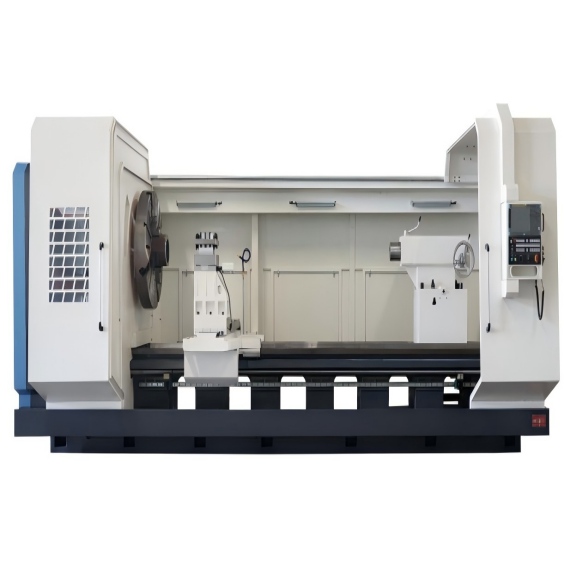
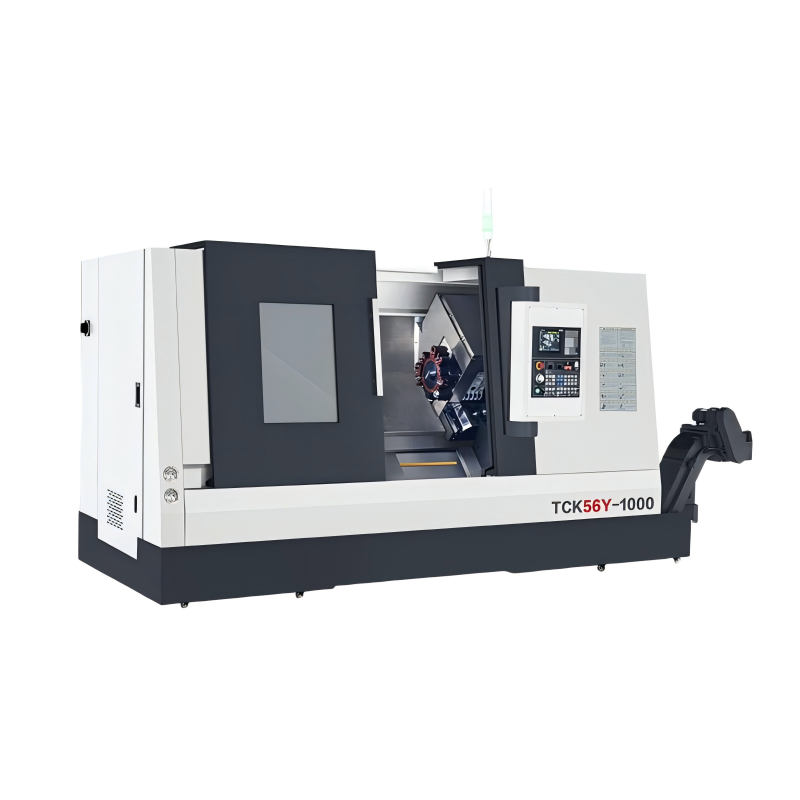
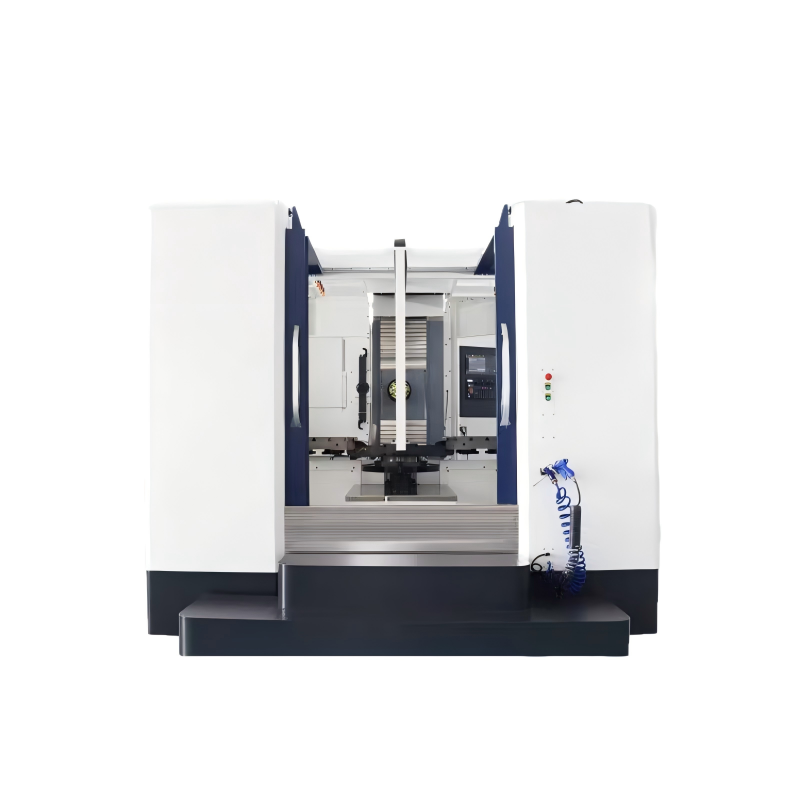
The process of acquiring a Vertical Machining Center (VMC) machine for industrial or manufacturing purposes often begins with a Request for Quotation (RFQ). This document is crucial as it lays out all the necessary specifications, requirements, and expectations from the potential supplier. When creating an RFQ for a VMC machine, it's essential to be thorough yet concise, ensuring that every detail required for a successful procurement is included.
A well-structured RFQ not only helps in obtaining accurate quotes but also streamlines the decision-making process by providing a clear comparison basis among different suppliers. In this section, we will explore what constitutes a comprehensive VMC machine RFQ document, focusing on key elements that should never be overlooked.
At the heart of any RFQ lies the technical specification section. For a VMC machine, this part must detail the exact capabilities, dimensions, and performance parameters expected from the equipment. Here are some critical aspects to consider:
By detailing these technical specifications, you provide suppliers with a clear picture of your operational requirements, enabling them to offer solutions that best fit your needs.
Another pivotal component of the Request for Quotation VMC Machine document is the evaluation criteria. This section outlines how proposals will be assessed, guiding both the supplier’s response and the buyer’s decision-making process. Key factors to include here are:
Clearly defining these evaluation criteria helps in making an informed decision, ensuring that the chosen VMC machine meets all operational and financial goals.
Beyond the technical and evaluation aspects, the Request for Quotation VMC Machine document should also cover documentation and other administrative requirements. This includes:
By addressing these additional requirements, you ensure that the entire procurement process, from initial inquiry to final installation, is well-coordinated and efficient.
A well-crafted Request for Quotation VMC Machine document is the foundation for a successful procurement process. By including detailed technical specifications, clear evaluation criteria, and comprehensive documentation and administrative requirements, you set the stage for a smooth and effective acquisition. Remember, the goal is to obtain a VMC machine that not only meets your current needs but also supports future growth and innovation. With a carefully prepared RFQ, you can achieve this and more.
 24/06/2026
When it comes to acquiring a Vertical Machining Center (VMC) machine, the process of obtaining a Request for Quotation (RFQ) is a critical step. This document not only helps in comparing different VMC machines but also ensures that you get the best value
Read More24/06/2026When it comes to acquiring a VMC (Vertical Machining Center) machine, the process of communicating your needs effectively in a Request for Quotation (RFQ) is crucial. A well-crafted RFQ not only helps suppliers understand your requirements but also ensure
Read More24/06/2026When it comes to acquiring a Vertical Machining Center (VMC) machine, the process of requesting a quotation is a critical step. This document aims to explore the role of detailed specifications in a VMC Machine Quotation Request, emphasizing how comprehen
Read More23/06/2026The process of acquiring a Vertical Machining Center (VMC) machine involves several critical steps, one of the most important being the Request for Quotation (RFQ). This document serves as a formal invitation to potential suppliers or manufacturers to bid
Read More23/06/2026In today's manufacturing landscape, the acquisition of a Vertical Machining Center (VMC) machine is a significant investment that requires careful planning and consideration. A well-crafted Request for Quotation (RFQ) can make all the difference in securi
Read More23/06/2026In today's rapidly evolving manufacturing landscape, the acquisition of high-precision machinery such as VMC (Vertical Machining Center) machines is crucial for businesses aiming to stay competitive. The process of acquiring these machines, however, can b
Read More23/06/2026In the realm of manufacturing and engineering, precision and efficiency are paramount. One such area where these qualities come to the fore is in the procurement of Vertical Machining Centers (VMC). A Request for Quotation (RFQ) serves as a critical docum
Read MoreOur professional sales team is always ready to assist you.