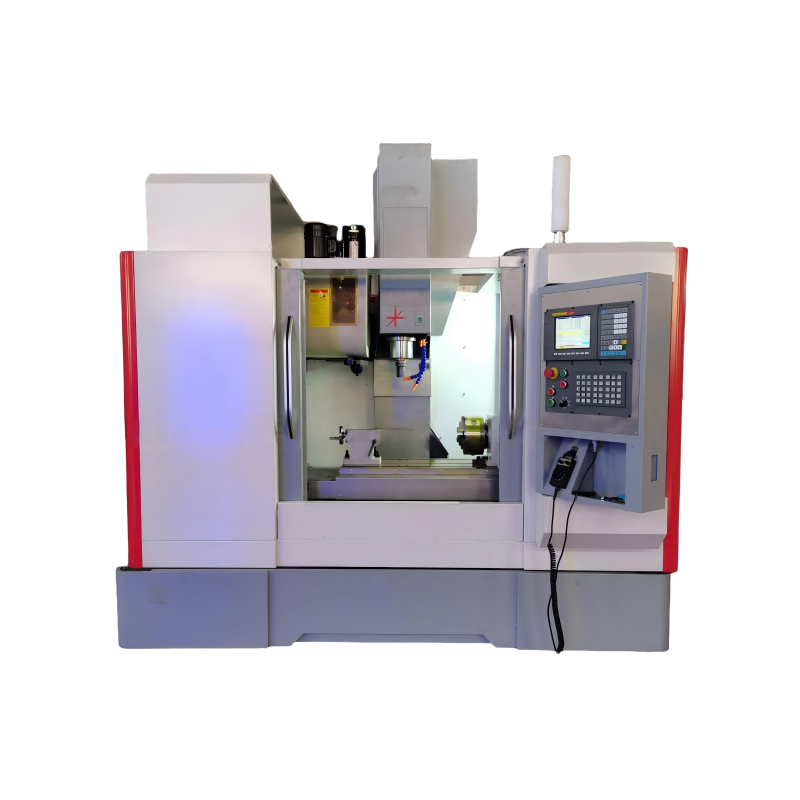
When it comes to acquiring a VMC (Vertical Machining Center) machine, the process of communicating your needs effectively in a Request for Quotation (RFQ) is crucial. A well-crafted RFQ not only helps suppliers understand your requirements but also ensures that you receive proposals that are tailored to meet your specific needs. This document will guide you through the essential steps and considerations for preparing an effective VMC machine quotation inquiry.
Before initiating the RFQ process, it's vital to have a comprehensive understanding of your operational needs. Start by identifying the primary applications for which the VMC machine will be used. Consider factors such as the type of materials to be machined, the complexity of the parts, and the expected production volume. Additionally, assess any special features or capabilities that are required, such as high-speed machining, multi-axis capability, or automation integration. By clearly defining these aspects, you can ensure that the RFQ accurately reflects your technical and operational requirements, leading to more relevant and competitive quotations from suppliers.
A well-structured RFQ document is key to receiving detailed and accurate responses from suppliers. Begin with a clear and concise introduction that outlines the purpose of the RFQ and provides a brief overview of your company and its needs. Next, include a section dedicated to technical specifications, where you should list all the critical parameters and performance criteria for the VMC machine. This section should cover aspects such as spindle speed, table size, tool capacity, and any other relevant technical details. Additionally, specify any optional features or accessories that are desired. It’s also important to include a section on delivery and installation, detailing your expectations for lead time, setup, and training. Finally, provide a timeline for the RFQ process, including deadlines for submission and evaluation. A well-organized RFQ document will help suppliers understand your needs and respond with proposals that are both comprehensive and aligned with your requirements.
Effective communication with suppliers is essential throughout the RFQ process. When sending out the Request for Quotation, make sure to provide a single point of contact for all inquiries. This person should be knowledgeable about the project and able to answer questions promptly. Encourage suppliers to ask clarifying questions if they need more information or if any part of the RFQ is unclear. Providing a clear and open line of communication will help prevent misunderstandings and ensure that suppliers fully understand your requirements. Additionally, consider scheduling a pre-bid conference or a Q&A session to address any common questions and to provide additional context. This proactive approach will help suppliers submit more accurate and competitive bids, ultimately leading to a more successful procurement process.
Once you receive responses to your RFQ, the next step is to evaluate the proposals and select the supplier that best meets your needs. Start by reviewing each response against the criteria outlined in your RFQ, paying close attention to how well the proposed VMC machine aligns with your technical and operational requirements. Evaluate the quality of the machine, the reputation of the supplier, and the level of support offered. Consider the total cost of ownership, including not just the initial purchase price but also maintenance, spare parts, and any ongoing support services. Additionally, assess the supplier’s ability to meet your delivery and installation timelines. If necessary, conduct site visits or reference checks to validate the supplier’s claims. By carefully evaluating each proposal, you can make an informed decision and select the VMC machine that will best serve your business needs.
In conclusion, a well-prepared Request for Quotation (RFQ) is a critical component of the VMC machine procurement process. By thoroughly understanding your requirements, structuring the RFQ for clarity and completeness, and maintaining effective communication with suppliers, you can ensure that you receive detailed and accurate responses. The evaluation of supplier responses and the selection of the best fit will ultimately lead to a successful and efficient procurement process. A well-crafted RFQ not only saves time and resources but also ensures that you acquire a VMC machine that meets your specific needs and contributes to the long-term success of your operations.
 24/06/2026
When it comes to acquiring a Vertical Machining Center (VMC) machine, the process of obtaining a Request for Quotation (RFQ) is a critical step. This document not only helps in comparing different VMC machines but also ensures that you get the best value
Read More24/06/2026When it comes to acquiring a Vertical Machining Center (VMC) machine, the process of requesting a quotation is a critical step. This document aims to explore the role of detailed specifications in a VMC Machine Quotation Request, emphasizing how comprehen
Read More24/06/2026Understanding the Basics of VMC Machine and RFQThe process of acquiring a Vertical Machining Center (VMC) machine for industrial or manufacturing purposes often begins with a Request for Quotation (RFQ). This document is crucial as it lays out all the nec
Read More23/06/2026The process of acquiring a Vertical Machining Center (VMC) machine involves several critical steps, one of the most important being the Request for Quotation (RFQ). This document serves as a formal invitation to potential suppliers or manufacturers to bid
Read More23/06/2026In today's manufacturing landscape, the acquisition of a Vertical Machining Center (VMC) machine is a significant investment that requires careful planning and consideration. A well-crafted Request for Quotation (RFQ) can make all the difference in securi
Read More23/06/2026In today's rapidly evolving manufacturing landscape, the acquisition of high-precision machinery such as VMC (Vertical Machining Center) machines is crucial for businesses aiming to stay competitive. The process of acquiring these machines, however, can b
Read More23/06/2026In the realm of manufacturing and engineering, precision and efficiency are paramount. One such area where these qualities come to the fore is in the procurement of Vertical Machining Centers (VMC). A Request for Quotation (RFQ) serves as a critical docum
Read MoreOur professional sales team is always ready to assist you.