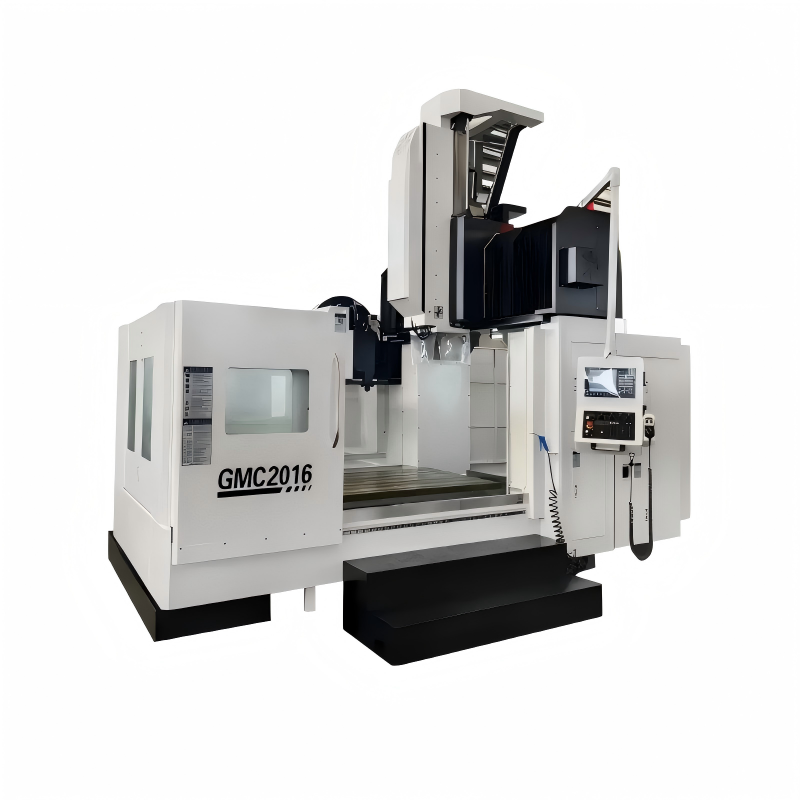
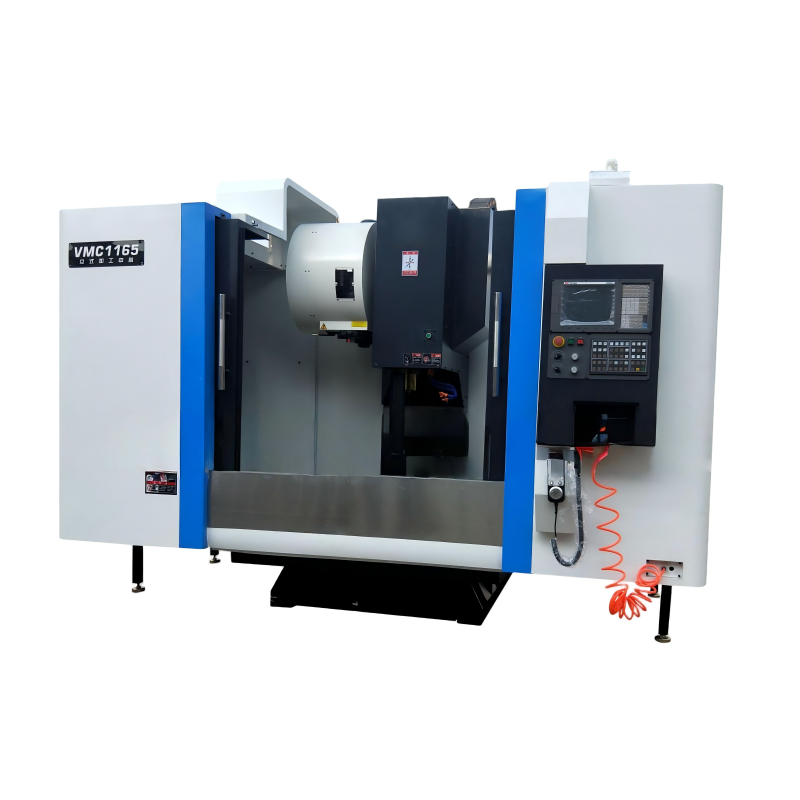
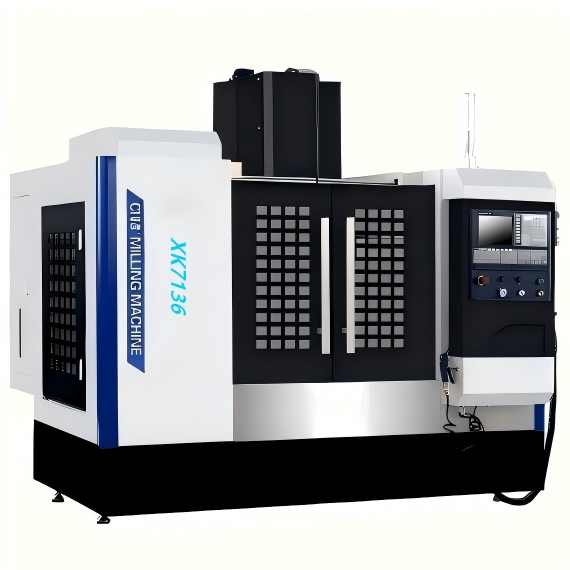
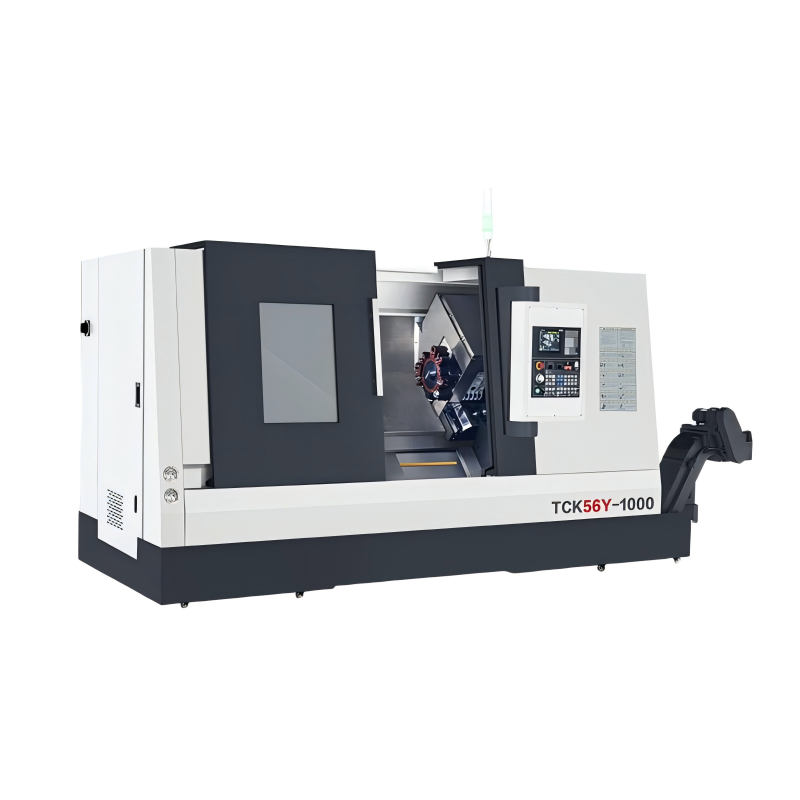
While the primary focus of this document is on exploring The Role of a Turning Lathe Machine in Modern Machining, it's important to note that many manufacturing processes often involve multiple types of machines, including VMC (Vertical Machining Center) machines. When there is a Request for Quotation VMC Machine, it typically signifies an interest in expanding or upgrading machining capabilities. However, the turning lathe machine remains a fundamental tool in modern machining, with its unique advantages and applications.
A turning lathe machine is a versatile piece of equipment used in the manufacturing industry to shape and form metal, wood, or other materials. The basic principle of a lathe involves rotating the workpiece on its axis while a cutting tool is applied to remove material, creating the desired shape. This process is known as "turning," and it is one of the most common and essential operations in machining.
Modern lathes are equipped with advanced features such as CNC (Computer Numerical Control) systems, which allow for precise and automated control over the machining process. These systems can be programmed to perform complex operations, ensuring high accuracy and repeatability. Additionally, modern lathes often come with various attachments and accessories, such as turrets, tool changers, and coolant systems, which further enhance their functionality and efficiency.
Turning lathe machines offer several advantages that make them indispensable in modern machining. One of the key benefits is their ability to produce parts with high precision and accuracy. The use of CNC technology allows for tight tolerances and consistent results, which is crucial in industries where precision is paramount, such as aerospace, automotive, and medical device manufacturing.
Another advantage is the versatility of lathe machines. They can perform a wide range of operations, including turning, facing, drilling, threading, and more. This versatility makes them suitable for both small and large-scale production runs, as well as for prototyping and custom part manufacturing. Furthermore, lathes can handle a variety of materials, from soft metals like aluminum to hard metals like stainless steel, and even non-metallic materials like plastics and composites.
Efficiency is another significant advantage of using a turning lathe machine. With the integration of CNC technology, lathes can operate continuously without the need for frequent operator intervention. This not only increases productivity but also reduces labor costs. Additionally, the use of multi-axis lathes, such as 4-axis and 5-axis machines, allows for more complex and intricate parts to be machined in a single setup, further enhancing efficiency and reducing production time.
Turning lathe machines find applications in a wide range of industries due to their versatility and precision. In the aerospace industry, lathes are used to manufacture critical components such as engine parts, landing gear, and structural components. The high precision and reliability of CNC Lathes ensure that these parts meet the stringent quality and safety standards required in the aerospace sector.
In the automotive industry, lathes play a crucial role in the production of various components, including engine blocks, pistons, and transmission parts. The ability to produce parts with high accuracy and consistency is essential for ensuring the performance and reliability of vehicles. Additionally, lathes are used in the production of specialized components for electric and hybrid vehicles, which require high-precision machining to achieve optimal performance.
The medical device industry also relies heavily on turning lathe machines. Medical devices, such as surgical instruments, implants, and diagnostic equipment, require extremely precise and reliable parts. Lathes, particularly those with CNC capabilities, are ideal for producing these parts, as they can achieve the necessary tolerances and surface finishes. The use of lathes in this industry is critical for ensuring the safety and effectiveness of medical devices, which directly impact patient outcomes.
In many manufacturing environments, turning lathe machines are integrated with other machining processes to create a comprehensive and efficient production line. For example, when a Request for Quotation VMC Machine is made, it often indicates the need for a Vertical Machining Center to complement the capabilities of the lathe. VMC machines are used for milling, drilling, and other operations that are not as easily performed on a lathe.
The integration of lathes and VMCs allows for a more streamlined and efficient production process. Parts that require both turning and milling operations can be machined in a single setup, reducing the need for multiple setups and minimizing handling time. This integration also ensures better part alignment and reduces the risk of errors, leading to higher quality and more consistent parts.
Additionally, the use of automation and robotics can further enhance the integration of lathes and VMCs. Automated systems can transfer parts between machines, load and unload workpieces, and perform other tasks, reducing the need for manual intervention and increasing overall productivity. This level of integration and automation is particularly beneficial in high-volume production environments, where efficiency and consistency are critical.
The field of turning lathe technology is continually evolving, driven by advancements in materials science, automation, and digitalization. One of the key trends is the development of more advanced CNC systems, which offer greater precision, speed, and ease of use. These systems often include features such as real-time monitoring, predictive maintenance, and advanced programming capabilities, which help to optimize the machining process and reduce downtime.
Another trend is the integration of Industry 4.0 technologies, such as the Internet of Things (IoT), artificial intelligence (AI), and data analytics. These technologies enable real-time data collection and analysis, allowing for better decision-making and process optimization. For example, IoT sensors can monitor the condition of the machine and the workpiece, providing valuable insights into the machining process and helping to identify potential issues before they become major problems.
Advancements in materials science are also driving innovation in turning lathe technology. New materials, such as advanced alloys and composites, are being developed to meet the demands of modern industries. These materials often require specialized machining techniques, and turning lathes are being adapted to handle these new materials effectively. For example, the use of high-speed spindles and advanced cutting tools allows for the efficient machining of hard and exotic materials.
Finally, sustainability is becoming an increasingly important consideration in the manufacturing industry. Turning lathe machines are being designed with energy efficiency and environmental impact in mind. This includes the use of energy-efficient motors, reduced coolant usage, and the recycling of waste materials. Additionally, the development of more sustainable machining processes, such as dry machining and minimum quantity lubrication (MQL), is helping to reduce the environmental footprint of turning operations.
The turning lathe machine continues to play a vital role in modern machining, offering precision, versatility, and efficiency. As manufacturing processes become more complex and demanding, the integration of lathes with other machining processes, such as VMCs, is becoming increasingly important. The future of turning lathe technology looks promising, with ongoing advancements in CNC systems, Industry 4.0 technologies, and materials science. These innovations will further enhance the capabilities of turning lathes, making them even more essential in the manufacturing landscape.
When considering a Request for Quotation VMC Machine, it is important to evaluate how the VMC will integrate with existing turning lathe machines and other equipment to create a cohesive and efficient production line. By leveraging the strengths of both lathes and VMCs, manufacturers can achieve higher levels of productivity, quality, and innovation.
 30/06/2026
When considering the purchase of a Vertical Machining Center (VMC) machine, it's crucial to conduct a thorough evaluation of its capabilities to ensure that the investment aligns with your specific manufacturing needs. This report aims to guide you throug
Read More30/06/2026When it comes to acquiring a Vertical Machining Center (VMC) machine, the process of Request for Quotation VMC Machine is an essential step. This document not only serves as a means to obtain pricing information but also as a tool to ensure that the machi
Read More30/06/2026Understanding the intricate workings of a Universal Milling Machine (UMC) is crucial for any manufacturer or engineer. This comprehensive guide aims to provide an in-depth exploration into the operational aspects, maintenance, and procurement processes as
Read More30/06/2026Understanding the Essentials of Request for Quotation VMC Machine is crucial for any manufacturing or engineering firm aiming to optimize their production processes through the acquisition of a Vertical Machining Center (VMC). A VMC machine represents an
Read More30/06/2026When it comes to acquiring a Vertical Machining Center (VMC) machine, the process of selecting the right supplier and model can be complex. A well-structured Request for Quotation (RFQ) plays an essential role in ensuring that you not only get the best va
Read More29/06/2026Understanding the Basics of VMC MachinesVertical Machining Centers (VMCs) are a type of CNC (Computer Numerical Control) machine that plays an indispensable role in various manufacturing processes. They are characterized by their vertical spindle orientat
Read More28/06/2026Understanding the Importance of a Request for Quotation (RFQ) in VMC Machine AcquisitionIn the world of manufacturing, the acquisition of high-precision machinery such as Vertical Machining Centers (VMC) is a critical investment. A well-prepared Request f
Read More27/06/2026When it comes to acquiring a VMC (Vertical Machining Center) machine, the process of Request for Quotation plays a critical role in ensuring that you get the best possible deal. This document serves as a guide, highlighting key considerations that should
Read More27/06/2026Understanding the Importance of Precision in VMC Machine SpecificationsWhen initiating a Request for Quotation (RFQ) for a Vertical Machining Center (VMC) machine, one of the most critical aspects is ensuring that all specifications are clearly and accura
Read More27/06/2026In today's competitive manufacturing landscape, the procurement of high-quality VMC (Vertical Machining Center) machines is a critical aspect that can significantly impact an organization's operational efficiency and cost structure. A strategic approach t
Read More27/06/2026In the realm of manufacturing, acquiring a Vertical Machining Center (VMC) machine is not just about choosing any available model; it's about finding the right fit for your specific needs. A well-structured Request for Quotation (RFQ) for a VMC Machine ca
Read More26/06/2026Requesting a quotation for VMC (Vertical Machining Center) machines is a critical step in the procurement process, especially for manufacturing and engineering firms. The right VMC machine can significantly enhance productivity and efficiency, but selecti
Read More26/06/2026The Significance of Precise Specifications in Request for Quotation VMC MachineWhen it comes to acquiring a Vertical Machining Center (VMC) machine, the accuracy and comprehensiveness of the Request for Quotation (RFQ) play a critical role in ensuring tha
Read More26/06/2026In today's competitive manufacturing landscape, the efficiency and precision of Vertical Machining Centers (VMC) play a crucial role in determining the success of production processes. A well-structured Request for Quotation (RFQ) for VMC machines can sig
Read More26/06/2026When it comes to acquiring a Vertical Machining Center (VMC) machine, submitting a Request for Quotation (RFQ) is a critical step in ensuring that you receive the best possible offer from suppliers. This process, if done correctly, can significantly strea
Read More25/06/2026Understanding the process of requesting a VMC (Vertical Machining Center) machine quotation is crucial for businesses looking to optimize their manufacturing processes. This guide aims to provide a comprehensive overview, from identifying the need for a V
Read More25/06/2026Request for Quotation (RFQ) processes are a cornerstone of procurement, especially in the context of acquiring complex machinery such as VMC (Vertical Machining Center) machines. These requests not only facilitate the acquisition of equipment but also ser
Read More25/06/2026When it comes to acquiring a VMC (Vertical Machining Center) machine, initiating a Request for Quotation is the first step in ensuring that you not only get the best deal but also a machine that meets all your specific needs. This document serves as a gui
Read More25/06/2026VMC machines, or Vertical Machining Centers, are essential in the manufacturing industry for their versatility and precision. However, acquiring a VMC machine can be a complex process, involving numerous steps and considerations. A well-structured Request
Read More24/06/2026When it comes to acquiring a Vertical Machining Center (VMC) machine, the process of obtaining a Request for Quotation (RFQ) is a critical step. This document not only helps in comparing different VMC machines but also ensures that you get the best value
Read More24/06/2026When it comes to acquiring a VMC (Vertical Machining Center) machine, the process of communicating your needs effectively in a Request for Quotation (RFQ) is crucial. A well-crafted RFQ not only helps suppliers understand your requirements but also ensure
Read More24/06/2026When it comes to acquiring a Vertical Machining Center (VMC) machine, the process of requesting a quotation is a critical step. This document aims to explore the role of detailed specifications in a VMC Machine Quotation Request, emphasizing how comprehen
Read More24/06/2026Understanding the Basics of VMC Machine and RFQThe process of acquiring a Vertical Machining Center (VMC) machine for industrial or manufacturing purposes often begins with a Request for Quotation (RFQ). This document is crucial as it lays out all the nec
Read More23/06/2026The process of acquiring a Vertical Machining Center (VMC) machine involves several critical steps, one of the most important being the Request for Quotation (RFQ). This document serves as a formal invitation to potential suppliers or manufacturers to bid
Read More23/06/2026In today's manufacturing landscape, the acquisition of a Vertical Machining Center (VMC) machine is a significant investment that requires careful planning and consideration. A well-crafted Request for Quotation (RFQ) can make all the difference in securi
Read More23/06/2026In today's rapidly evolving manufacturing landscape, the acquisition of high-precision machinery such as VMC (Vertical Machining Center) machines is crucial for businesses aiming to stay competitive. The process of acquiring these machines, however, can b
Read More23/06/2026In the realm of manufacturing and engineering, precision and efficiency are paramount. One such area where these qualities come to the fore is in the procurement of Vertical Machining Centers (VMC). A Request for Quotation (RFQ) serves as a critical docum
Read MoreOur professional sales team is always ready to assist you.