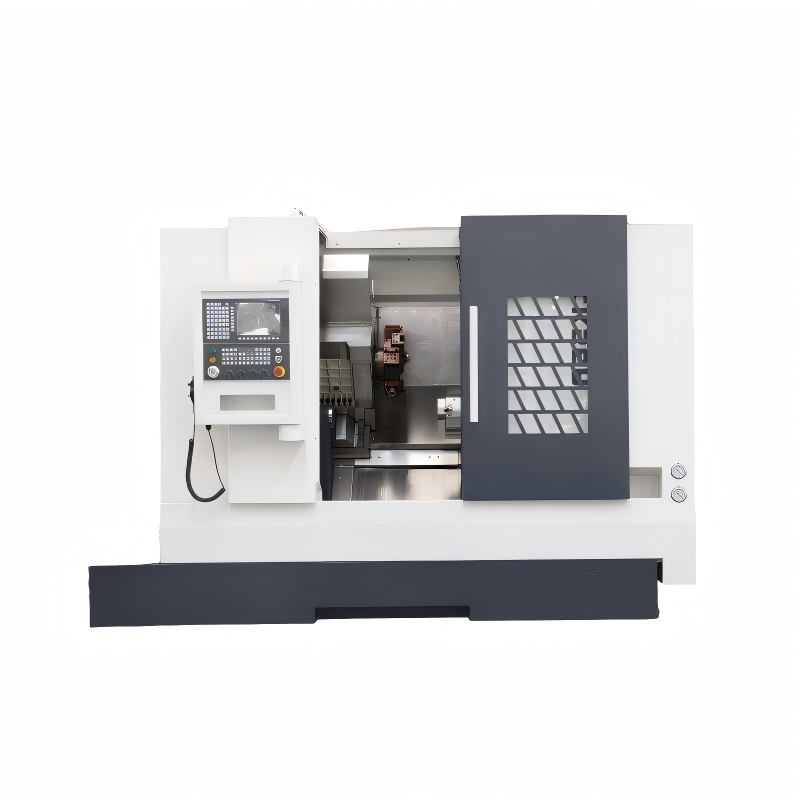
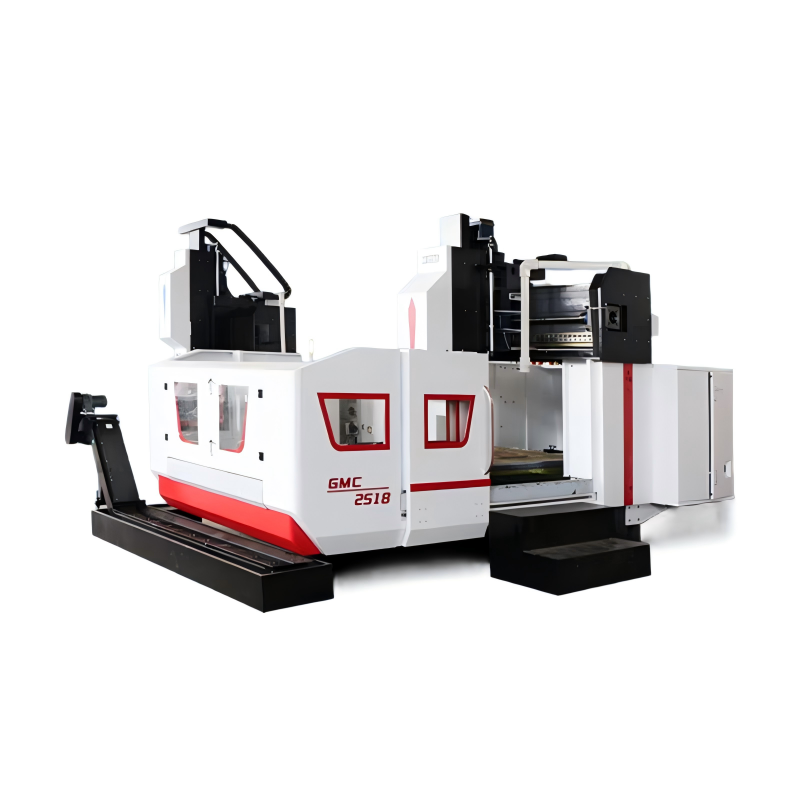
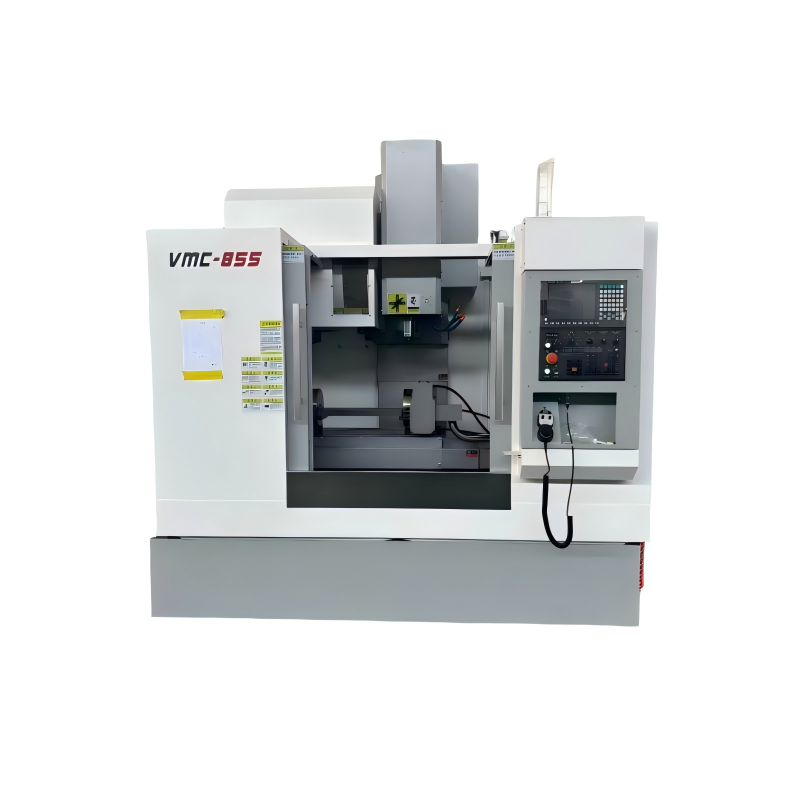
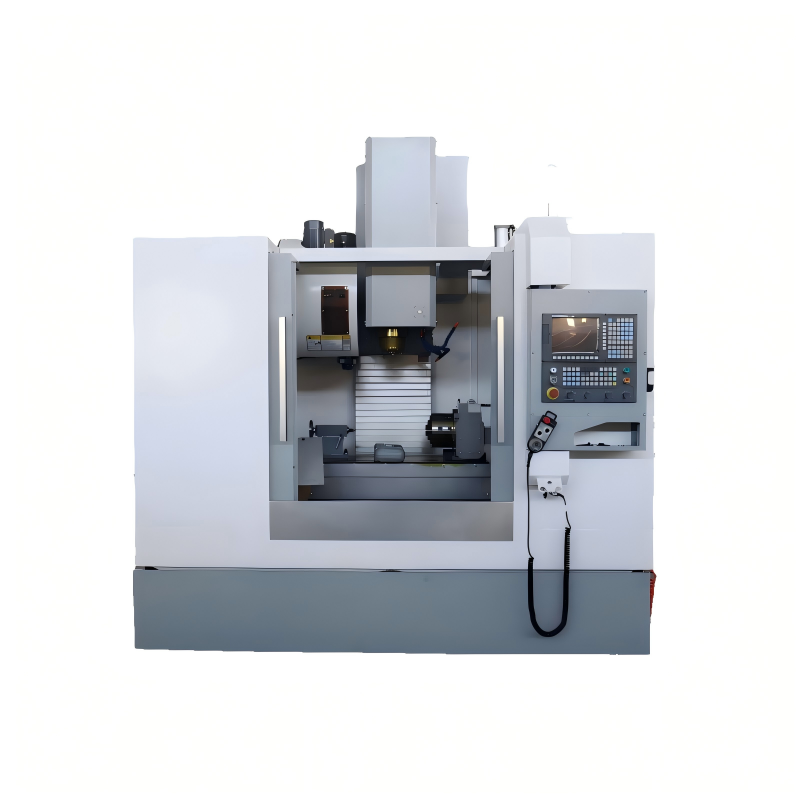
VMC machines, or Vertical Machining Centers, are essential in the manufacturing industry for their versatility and precision. However, acquiring a VMC machine can be a complex process, involving numerous steps and considerations. A well-structured Request for Quotation (RFQ) is crucial to streamline this acquisition process, ensuring that all necessary details are covered and that the best possible solution is obtained. This report will explore the importance of a well-structured RFQ in the VMC machine acquisition process, highlighting key areas that should be included and how they contribute to a more efficient and effective procurement experience.
A Request for Quotation (RFQ) is a formal document used by organizations to solicit bids from potential suppliers for a specific product or service. In the context of VMC machine acquisition, an RFQ serves as a critical tool for gathering detailed information about the available options, comparing them, and ultimately selecting the most suitable machine. A comprehensive RFQ ensures that all relevant aspects of the VMC machine, such as technical specifications, pricing, delivery terms, and after-sales support, are clearly defined and understood by both the buyer and the supplier.
By providing a clear and structured framework, an RFQ helps to minimize misunderstandings and miscommunications that can lead to delays, cost overruns, and dissatisfaction with the final product. It also allows for a more transparent and fair evaluation of proposals, ensuring that the best value for money is achieved.
To ensure that the RFQ is as effective as possible, it should include several key elements. These elements are designed to provide a complete picture of the requirements and expectations, enabling suppliers to respond accurately and comprehensively. The following are some of the essential components that should be included in a VMC machine RFQ:
By including these key elements, the RFQ becomes a robust and comprehensive document that guides the entire acquisition process, from initial inquiry to final selection.
While a well-structured RFQ is essential, the process of creating and managing the RFQ itself can be time-consuming and resource-intensive. To optimize the RFQ process for efficiency, several best practices can be implemented:
By implementing these best practices, the RFQ process can be optimized for efficiency, reducing the time and effort required while still ensuring that the best possible VMC machine is acquired.
Once the RFQ has been distributed and responses have been received, the next step is to evaluate and select the best proposal. This involves a thorough review of each response, comparing the proposed solutions against the specified requirements and criteria. The following are some key factors to consider during the evaluation process:
By systematically evaluating these factors, the best VMC machine proposal can be identified, ensuring that the selected machine meets all the necessary requirements and provides the best value for money.
A well-structured Request for Quotation (RFQ) is a critical tool in the VMC machine acquisition process. It ensures that all relevant details are covered, minimizes misunderstandings, and enables a fair and transparent evaluation of proposals. By including key elements such as technical specifications, pricing, delivery, and after-sales support, the RFQ becomes a comprehensive document that guides the entire acquisition process. Additionally, optimizing the RFQ process through standardization, collaboration, technology utilization, vendor pre-qualification, and timely communication can further enhance efficiency and effectiveness. Finally, a thorough evaluation of the proposals based on compliance with technical specifications, total cost of ownership, supplier reputation, warranty, and delivery timelines will help in selecting the best VMC machine for the organization.
In conclusion, a well-structured RFQ is not just a formality but a strategic tool that can significantly improve the VMC machine acquisition process, leading to better outcomes and long-term success.
 25/06/2026
Understanding the process of requesting a VMC (Vertical Machining Center) machine quotation is crucial for businesses looking to optimize their manufacturing processes. This guide aims to provide a comprehensive overview, from identifying the need for a V
Read More25/06/2026Request for Quotation (RFQ) processes are a cornerstone of procurement, especially in the context of acquiring complex machinery such as VMC (Vertical Machining Center) machines. These requests not only facilitate the acquisition of equipment but also ser
Read More25/06/2026When it comes to acquiring a VMC (Vertical Machining Center) machine, initiating a Request for Quotation is the first step in ensuring that you not only get the best deal but also a machine that meets all your specific needs. This document serves as a gui
Read More24/06/2026When it comes to acquiring a Vertical Machining Center (VMC) machine, the process of obtaining a Request for Quotation (RFQ) is a critical step. This document not only helps in comparing different VMC machines but also ensures that you get the best value
Read More24/06/2026When it comes to acquiring a VMC (Vertical Machining Center) machine, the process of communicating your needs effectively in a Request for Quotation (RFQ) is crucial. A well-crafted RFQ not only helps suppliers understand your requirements but also ensure
Read More24/06/2026When it comes to acquiring a Vertical Machining Center (VMC) machine, the process of requesting a quotation is a critical step. This document aims to explore the role of detailed specifications in a VMC Machine Quotation Request, emphasizing how comprehen
Read More24/06/2026Understanding the Basics of VMC Machine and RFQThe process of acquiring a Vertical Machining Center (VMC) machine for industrial or manufacturing purposes often begins with a Request for Quotation (RFQ). This document is crucial as it lays out all the nec
Read More23/06/2026The process of acquiring a Vertical Machining Center (VMC) machine involves several critical steps, one of the most important being the Request for Quotation (RFQ). This document serves as a formal invitation to potential suppliers or manufacturers to bid
Read More23/06/2026In today's manufacturing landscape, the acquisition of a Vertical Machining Center (VMC) machine is a significant investment that requires careful planning and consideration. A well-crafted Request for Quotation (RFQ) can make all the difference in securi
Read More23/06/2026In today's rapidly evolving manufacturing landscape, the acquisition of high-precision machinery such as VMC (Vertical Machining Center) machines is crucial for businesses aiming to stay competitive. The process of acquiring these machines, however, can b
Read More23/06/2026In the realm of manufacturing and engineering, precision and efficiency are paramount. One such area where these qualities come to the fore is in the procurement of Vertical Machining Centers (VMC). A Request for Quotation (RFQ) serves as a critical docum
Read MoreOur professional sales team is always ready to assist you.