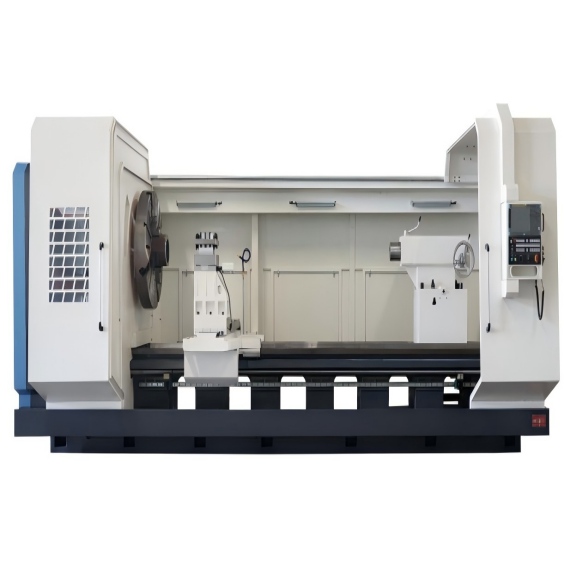
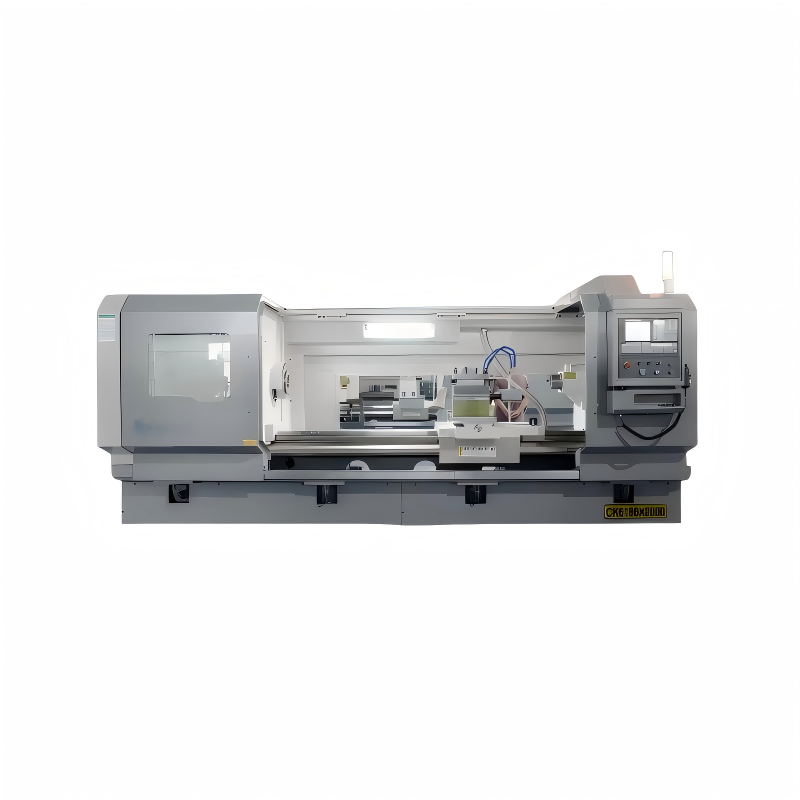
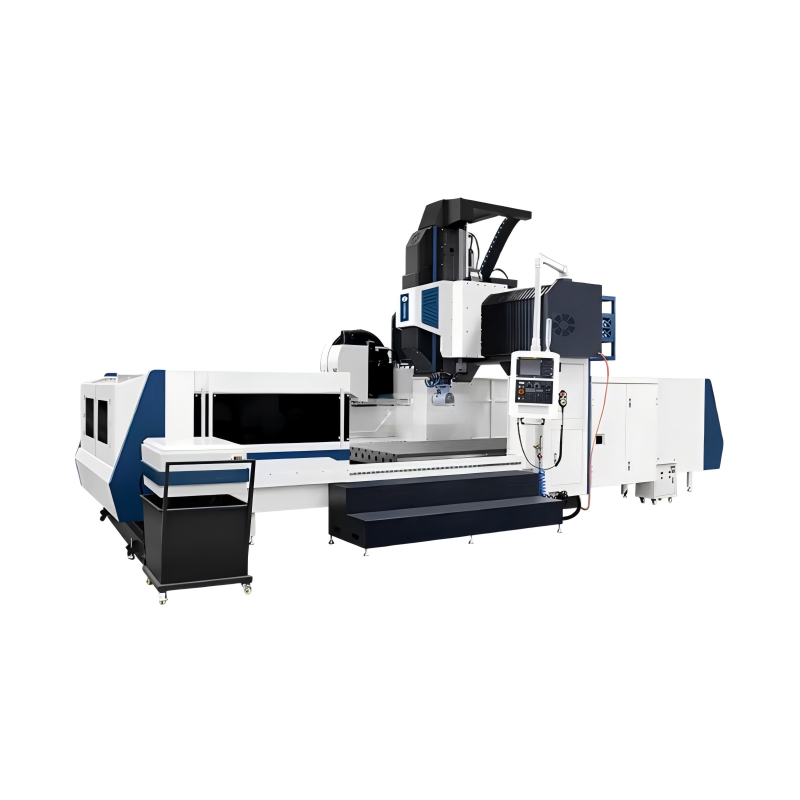
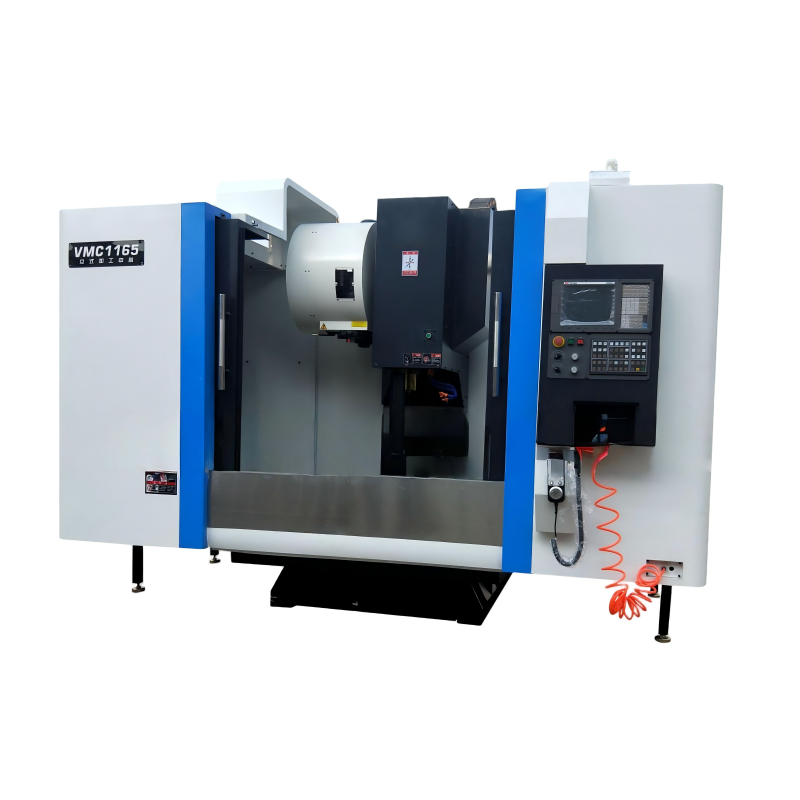
Under the ISO 9001 guidelines, VMC (Vertical Machining Center) manufacturers must adhere to a set of best practices that ensure the quality and reliability of their products. This technical report outlines key strategies for VMC Manufacturers to optimize their operations while maintaining compliance with ISO 9001 standards.
A robust Quality Management System (QMS) is at the heart of ISO 9001 compliance. For VMC manufacturers, this means establishing clear policies, procedures, and controls to ensure consistent product quality. The QMS should include:
By implementing these elements, VMC manufacturers can create a solid foundation for quality management, ensuring that their products meet or exceed customer expectations.
The quality of the materials and components used in VMCs is crucial for the overall performance and longevity of the machines. Therefore, VMC manufacturers must establish strong relationships with suppliers who can provide high-quality materials consistently. Key practices include:
By focusing on supplier relationships and material quality, VMC manufacturers can ensure that their products are built with the highest quality components, leading to better performance and customer satisfaction.
Regular audits and training are essential for maintaining ISO 9001 compliance and ensuring that all employees are aware of and adhere to the established quality standards. Key practices include:
By conducting regular audits and providing ongoing training, VMC manufacturers can ensure that their operations remain compliant with ISO 9001 standards and that all employees are committed to maintaining high-quality standards.
Advanced technologies play a critical role in enhancing the quality control processes of VMC manufacturers. By leveraging modern tools and techniques, manufacturers can achieve higher levels of precision and accuracy. Key technologies include:
By integrating advanced technologies into their quality control processes, VMC manufacturers can achieve higher levels of precision, reduce waste, and improve the overall quality of their products.
For VMC manufacturers, adhering to ISO 9001 guidelines is not just a matter of compliance; it is a strategic approach to ensuring the highest quality and reliability of their products. By implementing a robust Quality Management System, enhancing supplier relationships, conducting regular audits and training, and utilizing advanced technologies, VMC manufacturers can achieve and maintain ISO 9001 certification. These best practices not only help in meeting regulatory requirements but also contribute to long-term success and customer satisfaction.
 25/06/2026
In today's highly competitive global market, VMC (Vertical Machining Center) manufacturers are increasingly recognizing the importance of adhering to international standards to ensure their products meet the highest quality and reliability benchmarks. One
Read More25/06/2026ISO 9001, an internationally recognized standard for quality management systems, has been adopted by numerous organizations across various sectors to improve their operational efficiency and overall product quality. In the context of VMC (Vertical Machini
Read More25/06/2026Introduction to ISO 9001 and VMC ManufacturingThe International Organization for Standardization (ISO) has established a set of quality management standards, with ISO 9001 being the most well-known. This standard is designed to help organizations ensure t
Read More25/06/2026Implementing ISO 9001 standards in the manufacturing sector, particularly for VMC (Vertical Machining Center) manufacturers, presents a unique set of challenges. This technical report aims to navigate these complexities, providing insights and strategies
Read More24/06/2026ISO 9001, a globally recognized standard for quality management systems (QMS), plays a crucial role in ensuring that VMC (Vertical Machining Center) manufacturers meet customer and regulatory requirements while continuously improving their operations. Ach
Read More24/06/2026Implementing ISO 9001 within a VMC (Vertical Machining Center) manufacturing environment is not just about meeting an international standard; it's a strategic move that can significantly enhance operational efficiency, product quality, and customer satisf
Read More24/06/2026In the realm of manufacturing, especially within the vertical machining center (VMC) industry, adhering to international standards is not just a regulatory requirement but also a strategic move towards enhancing product quality and customer satisfaction.
Read More24/06/2026Introduction to ISO 9001 and Its Relevance for VMC ManufacturersThe International Organization for Standardization (ISO) has established a set of criteria, known as ISO 9001, which is widely recognized across the globe. This standard serves as a guideline
Read More24/06/2026In the rapidly evolving world of manufacturing, achieving and maintaining high standards of quality and efficiency are critical for success. One such standard that has gained international recognition is ISO 9001, which plays a pivotal role in enhancing t
Read More23/06/2026ISO 9001 is a globally recognized standard for quality management systems (QMS), providing a framework to ensure that organizations consistently meet the needs of customers and other stakeholders. For VMC (Vertical Machining Center) manufacturers, achievi
Read More23/06/2026The Importance of Quality Management Systems in VMC Manufacturing Implementing an ISO 9001 certified quality management system (QMS) is a strategic move for any VMC manufacturer. This international standard provides a framework that ensures consistent pro
Read More23/06/2026ISO 9001 is a globally recognized standard that sets out the criteria for a quality management system. It can be used by any organization, large or small, regardless of its field of activity. This certification helps businesses and organizations to be mor
Read More23/06/2026ISO 9001 is a globally recognized standard for quality management systems (QMS) that provides a framework for organizations to ensure they meet the needs of customers and other stakeholders while meeting statutory and regulatory requirements. For VMC (Ver
Read More23/06/2026ISO 9001, as a globally recognized standard for quality management systems, plays an essential role in shaping the operational practices of manufacturing enterprises. This document delves into how ISO 9001 influences modern manufacturing standards, partic
Read MoreOur professional sales team is always ready to assist you.