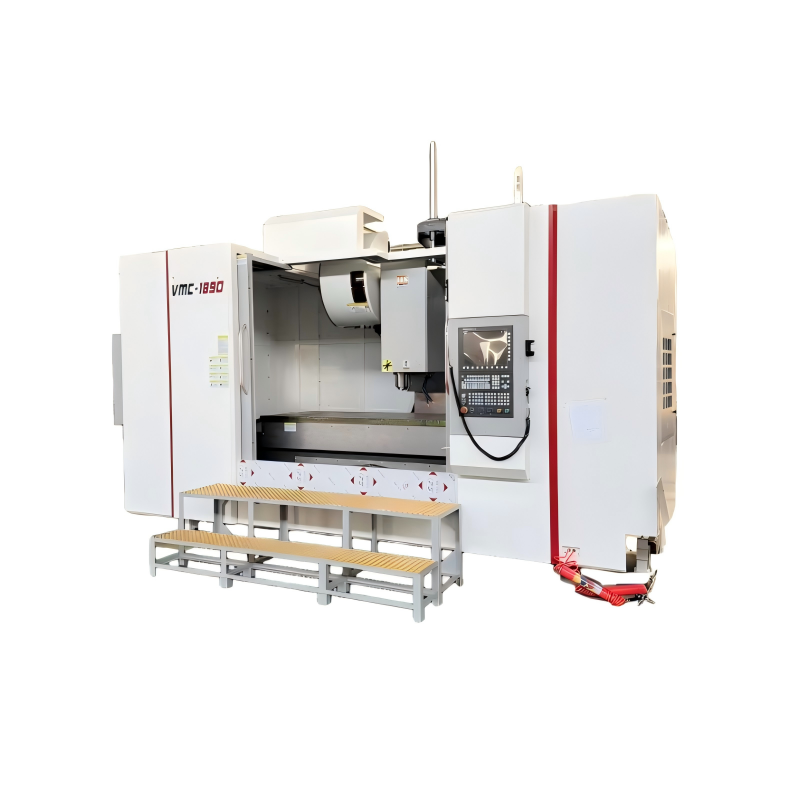
Implementing ISO 9001 standards in the manufacturing sector, particularly for VMC (Vertical Machining Center) manufacturers, presents a unique set of challenges. This technical report aims to navigate these complexities, providing insights and strategies that can help VMC Manufacturers achieve and maintain ISO 9001 certification. The journey towards ISO 9001 compliance is not just about meeting regulatory requirements; it's also an opportunity for continuous improvement and competitive advantage.
Understanding the Importance of ISO 9001 for VMC Manufacturers
The ISO 9001 standard is a globally recognized framework for quality management systems. For VMC manufacturers, adhering to this standard ensures that their products meet high-quality benchmarks, which is crucial given the precision and reliability required in Vertical Machining Centers. By implementing ISO 9001, VMC manufacturers can enhance customer satisfaction, reduce operational inefficiencies, and improve overall business performance. The standard emphasizes the importance of a process-oriented approach, focusing on the continuous improvement of processes and the prevention of defects rather than just their detection.
Challenges in Implementing ISO 9001 for VMC Manufacturers
One of the primary challenges faced by VMC manufacturers when implementing ISO 9001 is the need for a significant cultural shift within the organization. ISO 9001 requires a commitment to quality at all levels, from top management to frontline workers. This often necessitates changes in how employees think about and approach their work, which can be met with resistance. Additionally, the standard mandates rigorous documentation and record-keeping, which can be a daunting task for organizations that are not accustomed to such practices. Ensuring that all processes are documented, controlled, and regularly reviewed is essential but can be time-consuming and resource-intensive.
Another challenge is the integration of ISO 9001 into existing operations. VMC manufacturers must align their quality management system with their production processes, supply chain, and customer service functions. This requires a thorough understanding of the standard and its implications for each aspect of the business. Moreover, the ongoing maintenance and improvement of the quality management system can be challenging, as it requires continuous monitoring, audits, and corrective actions to ensure compliance.
Strategies for Successful ISO 9001 Implementation
To overcome the challenges of ISO 9001 implementation, VMC manufacturers can adopt several strategies. First, it is essential to secure buy-in from top management. Leadership support is critical for driving the necessary changes and ensuring that resources are allocated effectively. Second, training and education should be a priority. Employees at all levels need to understand the importance of the standard and their role in achieving and maintaining compliance. Third, a phased approach to implementation can be beneficial. Breaking down the process into manageable steps allows for better control and reduces the risk of overwhelming the organization. Finally, leveraging technology can streamline many aspects of ISO 9001, such as document management, process automation, and data analysis. By using digital tools, VMC manufacturers can improve efficiency and accuracy, making it easier to comply with the standard and continuously improve their processes.
Benefits of ISO 9001 Certification for VMC Manufacturers
Achieving ISO 9001 certification offers numerous benefits for VMC manufacturers. One of the most significant advantages is enhanced customer trust and satisfaction. Customers are more likely to choose a VMC manufacturer that has demonstrated a commitment to quality through ISO 9001 certification. This can lead to increased sales and market share. Additionally, ISO 9001 helps VMC manufacturers identify and eliminate inefficiencies in their processes, leading to cost savings and improved productivity. The standard also provides a framework for continuous improvement, enabling VMC manufacturers to stay ahead of industry trends and maintain a competitive edge. Furthermore, ISO 9001 certification can open up new market opportunities, as many customers and partners require or prefer to work with certified suppliers.
Conclusion: Embracing ISO 9001 for Long-Term Success
In conclusion, while the implementation of ISO 9001 for VMC manufacturers poses several challenges, the long-term benefits make it a worthwhile endeavor. By addressing the cultural, operational, and technical hurdles, VMC manufacturers can successfully achieve and maintain ISO 9001 certification. This not only enhances their reputation and customer satisfaction but also drives continuous improvement and operational excellence. As the manufacturing landscape continues to evolve, embracing ISO 9001 will be a key factor in ensuring the long-term success and sustainability of VMC manufacturers.

 25/06/2026



