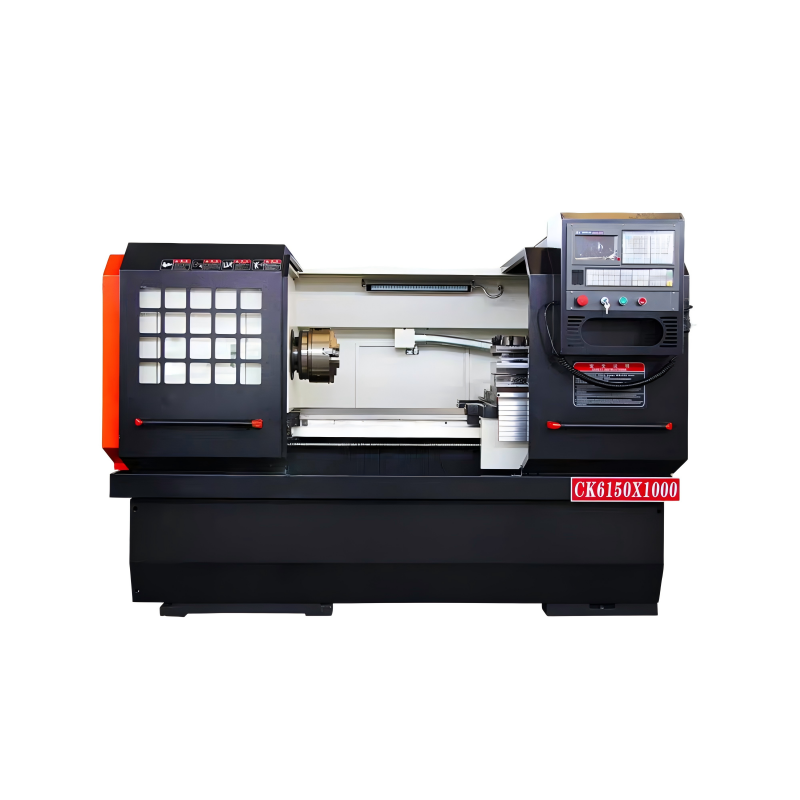
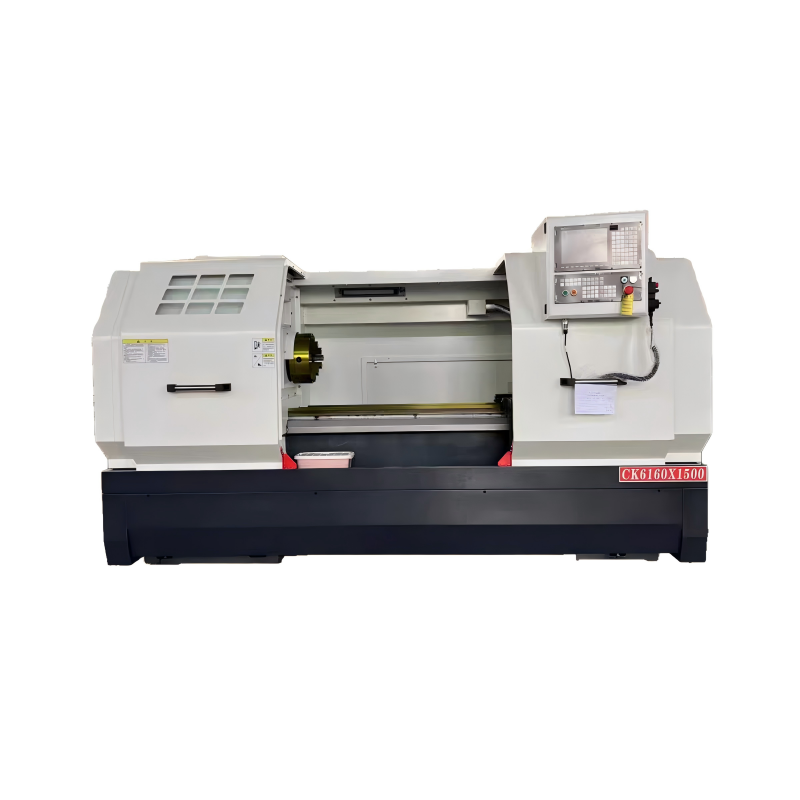
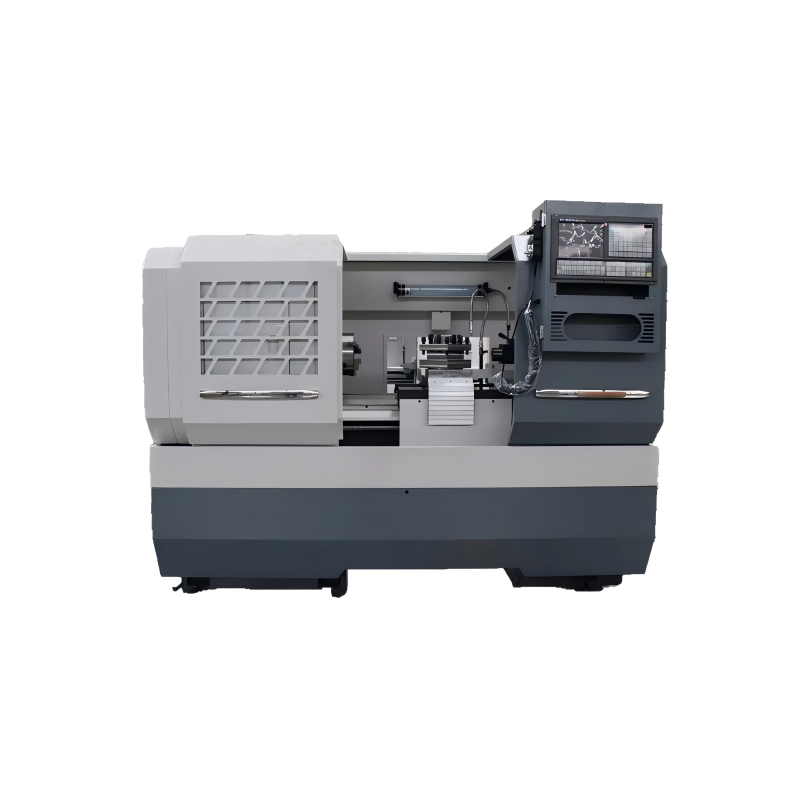
When initiating a Request for Quotation (RFQ) for a Vertical Machining Center (VMC) machine, one of the most critical aspects is ensuring that all specifications are clearly and accurately defined. A common mistake businesses make is providing vague or incomplete technical requirements, which can lead to misunderstandings between the buyer and the supplier. This could result in receiving quotations for machines that do not meet the actual needs, leading to potential operational inefficiencies or even project delays. It's essential to specify details such as the work envelope dimensions, spindle speed, tool capacity, and control system type, among others. By doing so, you ensure that the RFQ process yields offers that closely match your operational requirements, facilitating a smoother procurement process.
Another frequent oversight when creating an RFQ for a VMC machine is neglecting to thoroughly assess the capabilities and reputation of potential suppliers. Simply focusing on the lowest bid without considering the vendor’s track record, quality standards, and after-sales support can be detrimental. Companies should conduct background checks on suppliers, review their past projects, and possibly seek references from other clients. Moreover, it's wise to inquire about the manufacturer's certifications, such as ISO 9001, which indicate adherence to international quality management standards. Engaging with reputable suppliers who have proven experience in delivering high-quality VMC machines ensures better long-term value and reliability.
While cost is undoubtedly a significant factor in any purchasing decision, basing the selection solely on price when issuing an RFQ for a VMC machine can be shortsighted. Organizations must develop a comprehensive evaluation framework that includes not only the initial purchase price but also factors like maintenance costs, energy efficiency, expected lifespan, and upgradeability. Additionally, evaluating the flexibility of the machine to adapt to different production needs and its compatibility with existing systems can significantly impact overall productivity and return on investment. Incorporating these criteria into the RFQ helps in making a more informed decision, ensuring that the chosen VMC machine will contribute positively to the company's bottom line over its entire service life.
An often underestimated aspect of acquiring a new VMC machine through an RFQ is the importance of adequate technical support and training provided by the supplier. Many buyers fail to negotiate sufficient support packages, including on-site installation, operator training, and ongoing maintenance services. This oversight can lead to improper use of the equipment, increased downtime, and higher repair costs. Therefore, it is crucial to explicitly request detailed information regarding the supplier’s post-purchase support offerings during the RFQ stage. Ensuring that operators are well-trained and that there is reliable access to technical assistance can greatly enhance the efficiency and longevity of the VMC machine.
Finally, another common pitfall in preparing an RFQ for a VMC machine is failing to consider compliance with relevant industry standards and regulations. Depending on the application and geographic location, specific safety and environmental guidelines may apply. For instance, if the VMC machine will be used in the medical or aerospace industries, it might need to comply with stringent quality and safety protocols. Similarly, in regions with strict environmental policies, the machine should meet certain eco-friendly standards. Including these requirements in the RFQ ensures that the selected VMC machine not only performs efficiently but also complies with all necessary legal and regulatory frameworks, thereby avoiding potential legal issues and penalties.
 28/06/2026
Understanding the Importance of a Request for Quotation (RFQ) in VMC Machine AcquisitionIn the world of manufacturing, the acquisition of high-precision machinery such as Vertical Machining Centers (VMC) is a critical investment. A well-prepared Request f
Read More27/06/2026When it comes to acquiring a VMC (Vertical Machining Center) machine, the process of Request for Quotation plays a critical role in ensuring that you get the best possible deal. This document serves as a guide, highlighting key considerations that should
Read More27/06/2026In today's competitive manufacturing landscape, the procurement of high-quality VMC (Vertical Machining Center) machines is a critical aspect that can significantly impact an organization's operational efficiency and cost structure. A strategic approach t
Read More27/06/2026In the realm of manufacturing, acquiring a Vertical Machining Center (VMC) machine is not just about choosing any available model; it's about finding the right fit for your specific needs. A well-structured Request for Quotation (RFQ) for a VMC Machine ca
Read More26/06/2026Requesting a quotation for VMC (Vertical Machining Center) machines is a critical step in the procurement process, especially for manufacturing and engineering firms. The right VMC machine can significantly enhance productivity and efficiency, but selecti
Read More26/06/2026The Significance of Precise Specifications in Request for Quotation VMC MachineWhen it comes to acquiring a Vertical Machining Center (VMC) machine, the accuracy and comprehensiveness of the Request for Quotation (RFQ) play a critical role in ensuring tha
Read More26/06/2026In today's competitive manufacturing landscape, the efficiency and precision of Vertical Machining Centers (VMC) play a crucial role in determining the success of production processes. A well-structured Request for Quotation (RFQ) for VMC machines can sig
Read More26/06/2026When it comes to acquiring a Vertical Machining Center (VMC) machine, submitting a Request for Quotation (RFQ) is a critical step in ensuring that you receive the best possible offer from suppliers. This process, if done correctly, can significantly strea
Read More25/06/2026Understanding the process of requesting a VMC (Vertical Machining Center) machine quotation is crucial for businesses looking to optimize their manufacturing processes. This guide aims to provide a comprehensive overview, from identifying the need for a V
Read More25/06/2026Request for Quotation (RFQ) processes are a cornerstone of procurement, especially in the context of acquiring complex machinery such as VMC (Vertical Machining Center) machines. These requests not only facilitate the acquisition of equipment but also ser
Read More25/06/2026When it comes to acquiring a VMC (Vertical Machining Center) machine, initiating a Request for Quotation is the first step in ensuring that you not only get the best deal but also a machine that meets all your specific needs. This document serves as a gui
Read More25/06/2026VMC machines, or Vertical Machining Centers, are essential in the manufacturing industry for their versatility and precision. However, acquiring a VMC machine can be a complex process, involving numerous steps and considerations. A well-structured Request
Read More24/06/2026When it comes to acquiring a Vertical Machining Center (VMC) machine, the process of obtaining a Request for Quotation (RFQ) is a critical step. This document not only helps in comparing different VMC machines but also ensures that you get the best value
Read More24/06/2026When it comes to acquiring a VMC (Vertical Machining Center) machine, the process of communicating your needs effectively in a Request for Quotation (RFQ) is crucial. A well-crafted RFQ not only helps suppliers understand your requirements but also ensure
Read More24/06/2026When it comes to acquiring a Vertical Machining Center (VMC) machine, the process of requesting a quotation is a critical step. This document aims to explore the role of detailed specifications in a VMC Machine Quotation Request, emphasizing how comprehen
Read More24/06/2026Understanding the Basics of VMC Machine and RFQThe process of acquiring a Vertical Machining Center (VMC) machine for industrial or manufacturing purposes often begins with a Request for Quotation (RFQ). This document is crucial as it lays out all the nec
Read More23/06/2026The process of acquiring a Vertical Machining Center (VMC) machine involves several critical steps, one of the most important being the Request for Quotation (RFQ). This document serves as a formal invitation to potential suppliers or manufacturers to bid
Read More23/06/2026In today's manufacturing landscape, the acquisition of a Vertical Machining Center (VMC) machine is a significant investment that requires careful planning and consideration. A well-crafted Request for Quotation (RFQ) can make all the difference in securi
Read More23/06/2026In today's rapidly evolving manufacturing landscape, the acquisition of high-precision machinery such as VMC (Vertical Machining Center) machines is crucial for businesses aiming to stay competitive. The process of acquiring these machines, however, can b
Read More23/06/2026In the realm of manufacturing and engineering, precision and efficiency are paramount. One such area where these qualities come to the fore is in the procurement of Vertical Machining Centers (VMC). A Request for Quotation (RFQ) serves as a critical docum
Read MoreOur professional sales team is always ready to assist you.