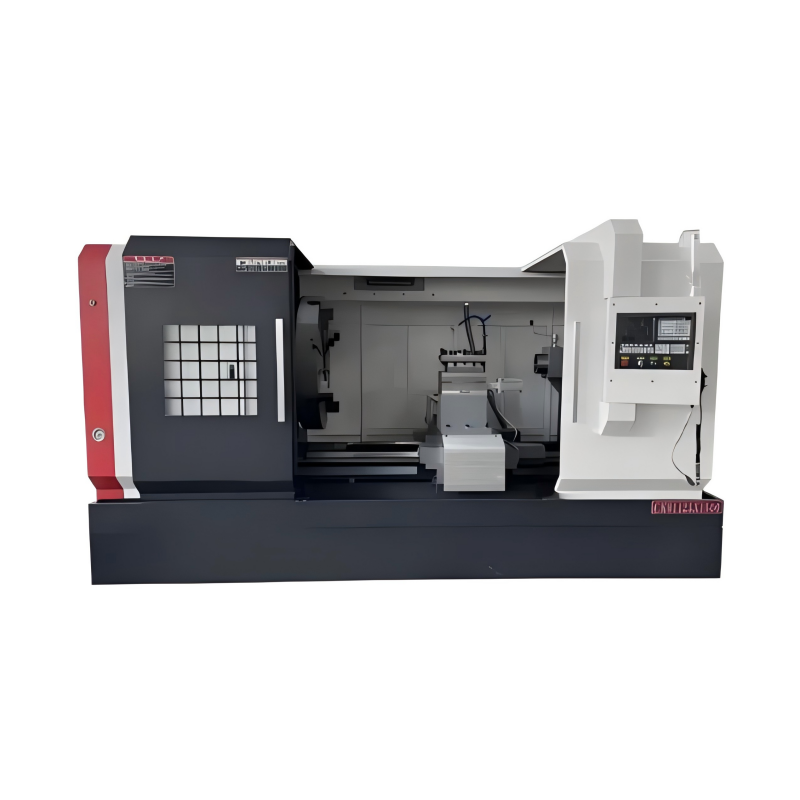
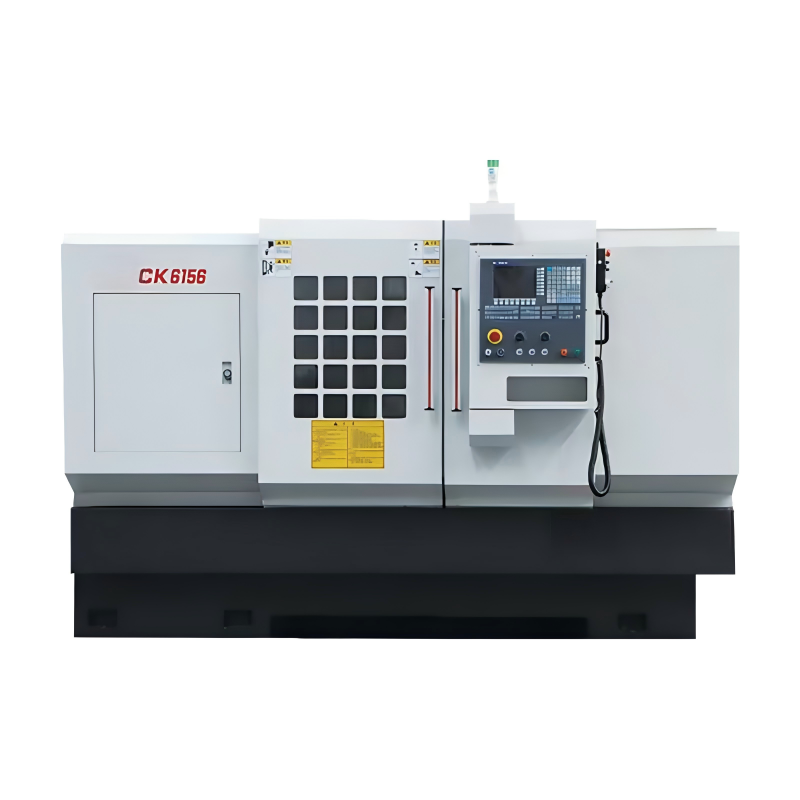
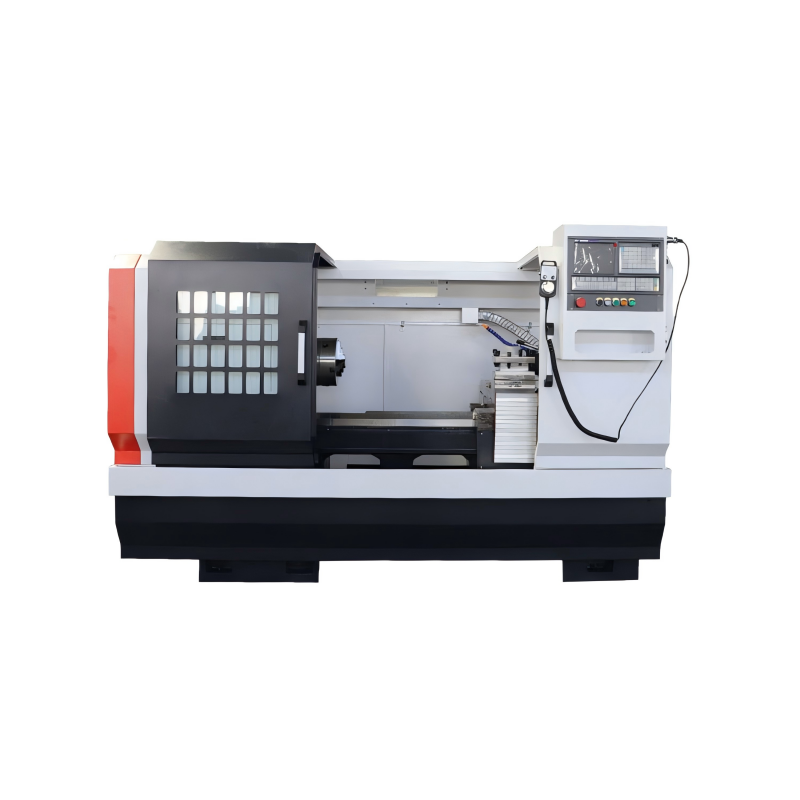
A fully automatic horizontal CNC lathe from China is a highly efficient and versatile machine used in various manufacturing industries. Its ability to perform complex machining tasks with high precision makes it an indispensable tool for many workshops. However, like any other sophisticated machinery, a fully automatic horizontal CNC Lathe requires regular maintenance to ensure its optimal performance and longevity. In this report, we will explore essential maintenance tips that can help you keep your Fully automatic horizontal CNC lathe running smoothly.
Regular Cleaning and Lubrication
Maintaining a clean and well-lubricated machine is the first step in ensuring its long-term reliability. Dust, chips, and debris can accumulate on the moving parts of the lathe, leading to increased wear and tear. It is recommended to clean the lathe after each use, paying special attention to the guideways, spindle, and tool holders. Use a soft brush or compressed air to remove loose particles, and then apply a suitable lubricant to all moving parts. Regular cleaning and lubrication not only reduce friction but also prevent corrosion, which can significantly extend the life of the machine.
Calibration and Alignment Checks
Accurate calibration and alignment are crucial for achieving precise machining results. Over time, the mechanical components of a fully automatic Horizontal CNC Lathe may shift slightly due to vibration and usage, leading to inaccuracies in the finished products. To avoid this, it is essential to perform regular calibration and alignment checks. This involves verifying the position of the tooling, checking the accuracy of the spindle, and ensuring that the axes are properly aligned. Many modern CNC lathes come with built-in diagnostic tools that can assist in this process. If you notice any discrepancies, consult the manufacturer's guidelines for proper adjustment procedures.
Software and Control System Updates
The control system and software of a fully automatic horizontal CNC lathe play a critical role in its operation. Manufacturers often release updates and patches to improve the performance and security of these systems. Keeping your lathe's software up to date is essential for maintaining its efficiency and preventing potential malfunctions. Check for updates regularly and follow the manufacturer's instructions for installation. Additionally, it is a good practice to back up your control system data periodically to prevent loss in case of a system failure.
Regular Inspection and Replacement of Wear Parts
Even with the best maintenance practices, some components of a fully automatic horizontal CNC lathe will eventually wear out and need replacement. Common wear parts include cutting tools, bearings, and seals. Regular inspection of these components is crucial to identify signs of wear and replace them before they cause more significant issues. For example, worn cutting tools can lead to poor surface finishes and inaccurate dimensions, while faulty bearings can result in excessive vibration and reduced machine accuracy. Refer to the maintenance manual provided by the manufacturer to determine the recommended inspection intervals and replacement schedules for each component.
Training and Documentation
Proper training and documentation are essential for effective maintenance. Ensure that all operators and maintenance personnel are thoroughly trained on the correct use and care of the fully automatic horizontal CNC lathe. This includes understanding the machine's capabilities, limitations, and safety protocols. Additionally, maintain detailed records of all maintenance activities, including dates, tasks performed, and any issues encountered. These records can be invaluable for tracking the machine's condition over time and identifying trends that may indicate the need for more extensive repairs or upgrades.
By following these essential maintenance tips, you can ensure that your fully automatic horizontal CNC lathe continues to operate at peak performance, delivering high-quality results and minimizing downtime. Remember that a well-maintained machine is not only more reliable but also more cost-effective in the long run.
 26/06/2026



