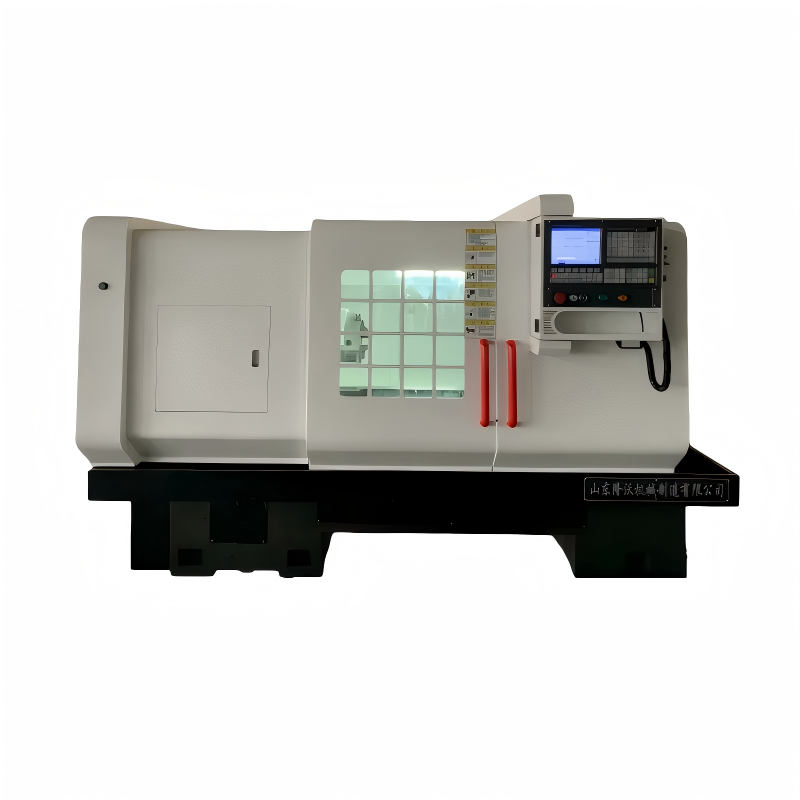
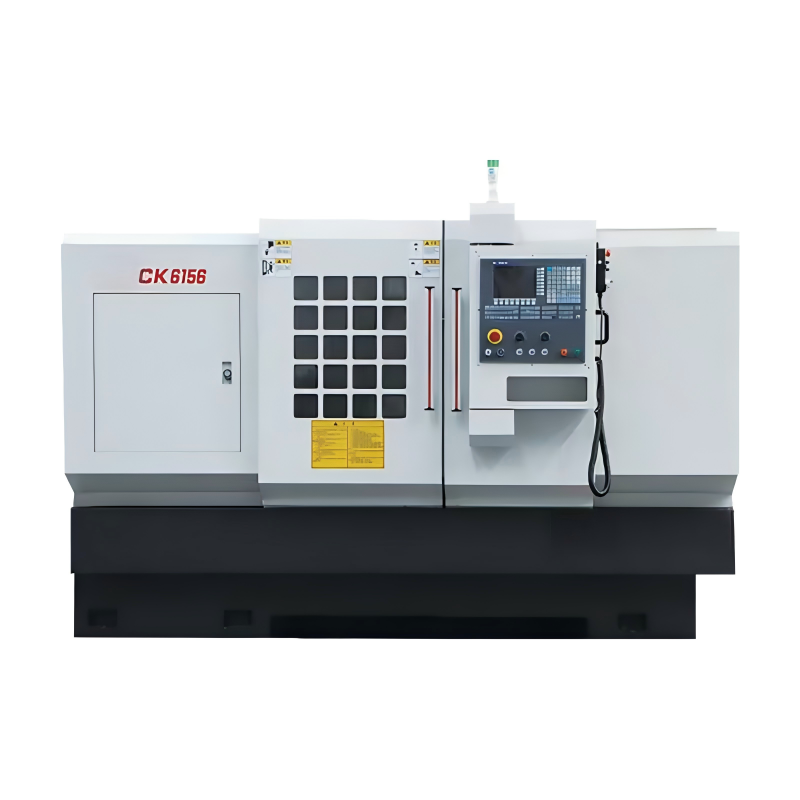
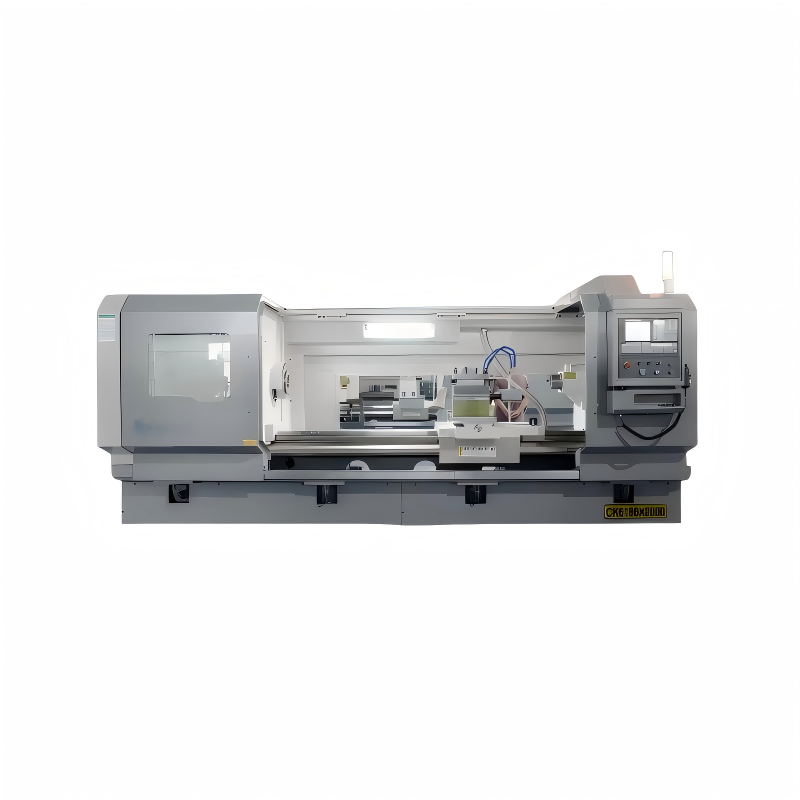
Working with a lathe, especially when dealing with long shafts, presents unique challenges and requires a specialized set of skills. This report aims to provide essential tips for effectively using a lathe for long shaft machining. The following sections will cover critical aspects such as setup, tooling, and operational techniques, ensuring that the final product meets the highest standards of precision and quality.
When working with a lathe for long shaft, one of the primary challenges is maintaining stability and accuracy over the entire length of the workpiece. Long shafts are more susceptible to vibrations, which can lead to poor surface finish and dimensional inaccuracies. Additionally, the weight and length of the shaft can make it difficult to secure and manipulate during the machining process. Understanding these challenges is the first step in developing effective strategies to overcome them.
The setup phase is crucial in ensuring the success of any machining operation, but it becomes even more important when dealing with long shafts. Here are some key considerations:
By paying close attention to these setup details, you can significantly improve the overall quality of the machined long shaft.
The choice of cutting tools plays a vital role in the success of long shaft machining. Here are some key factors to consider when selecting tooling:
By carefully selecting and optimizing your tooling, you can achieve better results and extend the life of your cutting tools.
Once the setup and tooling are in place, the next step is to apply the right operational techniques. Here are some key practices to follow:
By employing these operational techniques, you can achieve a high level of precision and consistency in your long shaft machining operations.
Ensuring the quality of the finished long shaft is the final and most critical step in the machining process. Here are some key aspects to consider:
By implementing a robust quality control and inspection process, you can ensure that the final product meets the highest standards of quality and performance.
In conclusion, working with a lathe for long shaft requires careful planning, precise setup, and the right tooling and operational techniques. By addressing the unique challenges of long shaft machining, you can achieve superior results and produce high-quality, precision-machined components. Whether you are a seasoned machinist or a novice, the tips and strategies outlined in this report will help you master the art of long shaft machining.
 23/06/2026
The lathe for long shaft operations is a specialized piece of machinery designed to handle the unique challenges associated with machining extended lengths. This report delves into the critical aspects of operating such lathes, focusing on setup considera
Read More23/06/2026A lathe for long shaft is a specialized machine designed to work with elongated pieces of material, such as metal or wood. These machines are essential in industries that require precision and accuracy when working on long, cylindrical objects. This techn
Read More23/06/2026Understanding the Specific Needs of Long Shaft ProjectsWhen it comes to machining long shafts, understanding the unique requirements and challenges is crucial. A Lathe for Long Shaft must be capable of handling not only the length but also the precision a
Read MoreOur professional sales team is always ready to assist you.