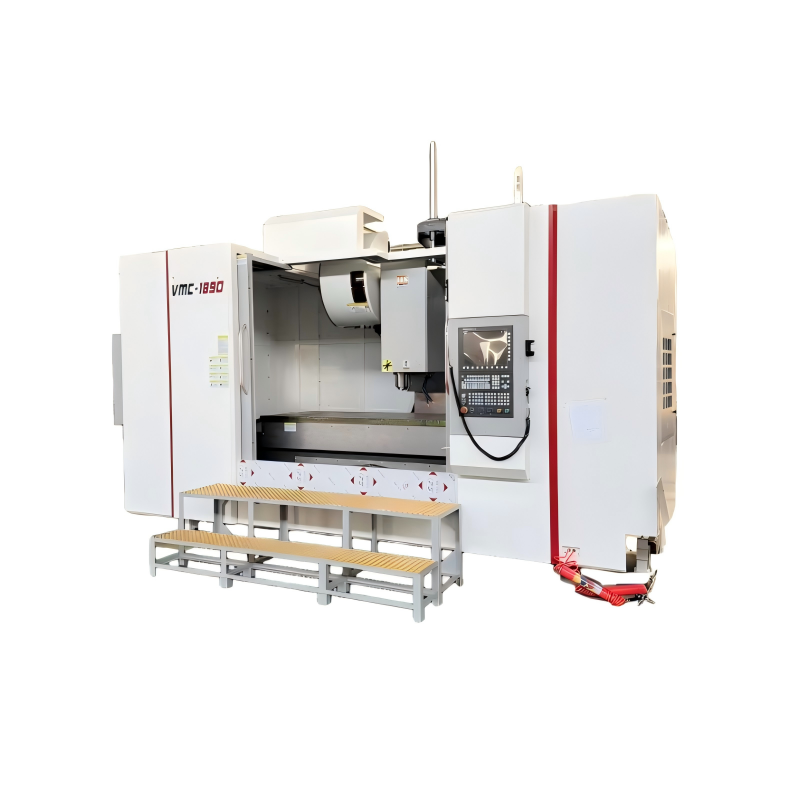
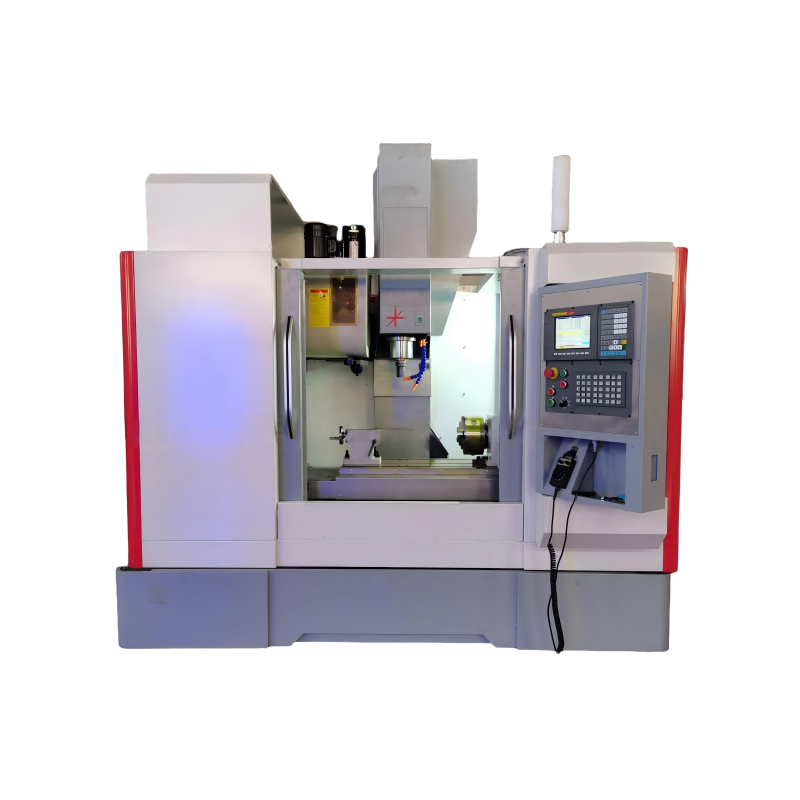
The 3 Axis Vertical Machining Center (VMC) is a versatile and efficient tool in the world of manufacturing, capable of producing complex parts with high precision. This type of machining center plays a crucial role in various industries, from automotive to aerospace, due to its ability to handle a wide range of materials and tasks. In this report, we will delve into the key advantages that make the 3 Axis VMC an indispensable asset for modern manufacturing operations.
Enhanced Precision and Accuracy
Precision is paramount in manufacturing, and the 3 Axis VMC excels in delivering highly accurate results. The machine's design allows for precise control over the X, Y, and Z axes, enabling it to perform intricate cuts and detailed work with minimal error. The advanced CNC (Computer Numerical Control) systems integrated into these machines further enhance their accuracy by providing real-time feedback and adjustments during the machining process. This level of precision ensures that parts meet the tight tolerances required in many industries, reducing the need for post-machining processes such as grinding or hand finishing.
Moreover, the rigid construction of the 3 Axis VMC, including its heavy-duty cast iron base and robust spindle, contributes to its stability and reduces vibrations, which can otherwise affect the quality of the finished product. By minimizing vibration, the machine maintains consistent performance, even when operating at high speeds, ensuring that every part produced meets the highest standards of accuracy and quality.
Increased Productivity and Efficiency
One of the most significant advantages of a 3 Axis VMC is its ability to increase productivity and efficiency in the manufacturing process. These machines are designed to handle multiple operations in a single setup, reducing the need for manual intervention and minimizing downtime. The automated tool changers and rapid traverse rates allow for quick transitions between different tools and operations, significantly speeding up the production cycle.
In addition, the 3 Axis VMC's capability to perform both roughing and finishing operations in one pass eliminates the need for separate machines, saving time and reducing the overall cost of production. The use of high-speed spindles and advanced cutting technologies also contributes to faster material removal rates, further enhancing the machine's productivity. This combination of features makes the 3 Axis VMC an ideal solution for high-volume production environments where efficiency is critical.
Versatility in Material Handling
The 3 Axis VMC is renowned for its versatility in handling a wide variety of materials, from soft metals like aluminum to harder materials such as stainless steel and titanium. This flexibility is achieved through the machine's robust construction and the availability of a wide range of cutting tools and accessories. The ability to switch between different materials and applications without significant retooling or setup changes makes the 3 Axis VMC a valuable asset in any manufacturing facility.
Furthermore, the machine's programmable nature allows for easy customization of cutting parameters, ensuring optimal performance for each material. This adaptability is particularly beneficial in industries where product designs frequently change or where a diverse range of materials is used. By offering a broad spectrum of capabilities, the 3 Axis VMC enables manufacturers to handle a wide array of projects, from simple to complex, with ease and efficiency.
Cost-Effectiveness and Long-Term Investment
While the initial investment in a 3 Axis VMC may be higher compared to some other types of machining equipment, the long-term benefits and cost savings make it a worthwhile investment. The machine's high precision and efficiency reduce the amount of scrap material generated, lowering production costs. Additionally, the reduced need for secondary operations and the ability to produce parts with fewer setups result in lower labor and operational costs.
Maintenance is another factor that contributes to the cost-effectiveness of the 3 Axis VMC. These machines are built to last, with durable components and robust designs that minimize wear and tear. Regular maintenance, such as lubrication and calibration, can extend the lifespan of the machine, ensuring a longer return on investment. The reliability and longevity of the 3 Axis VMC make it a cost-effective solution for manufacturers looking to optimize their production processes and achieve long-term financial stability.
Integration with Advanced Technologies
The 3 Axis VMC is not only a standalone machine but also a platform that can integrate with advanced technologies, such as CAD/CAM software, robotic automation, and Industry 4.0 solutions. This integration enhances the machine's capabilities and allows for more sophisticated and automated manufacturing processes. For example, CAD/CAM software enables the creation of complex 3D models and the generation of precise toolpaths, which can be directly fed into the 3 Axis VMC for execution.
Robotic automation can be used to load and unload parts, further increasing the machine's efficiency and reducing the need for human intervention. Industry 4.0 technologies, such as IoT (Internet of Things) sensors and data analytics, can provide real-time monitoring and predictive maintenance, ensuring that the machine operates at peak performance and minimizing downtime. By embracing these advanced technologies, the 3 Axis VMC can become a central component of a smart, connected, and highly efficient manufacturing environment.
In conclusion, the 3 Axis VMC offers a multitude of advantages that make it a vital tool in modern manufacturing. Its enhanced precision and accuracy, increased productivity and efficiency, versatility in material handling, cost-effectiveness, and integration with advanced technologies all contribute to its value. As manufacturing continues to evolve, the 3 Axis VMC remains a reliable and powerful solution for meeting the demands of today's competitive market.


 23/06/2026



