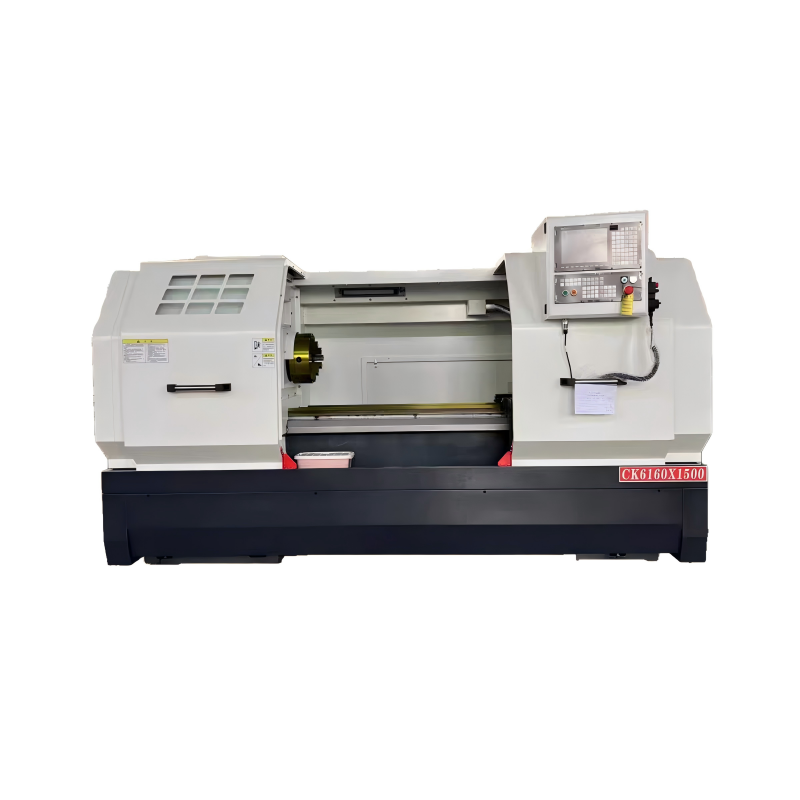
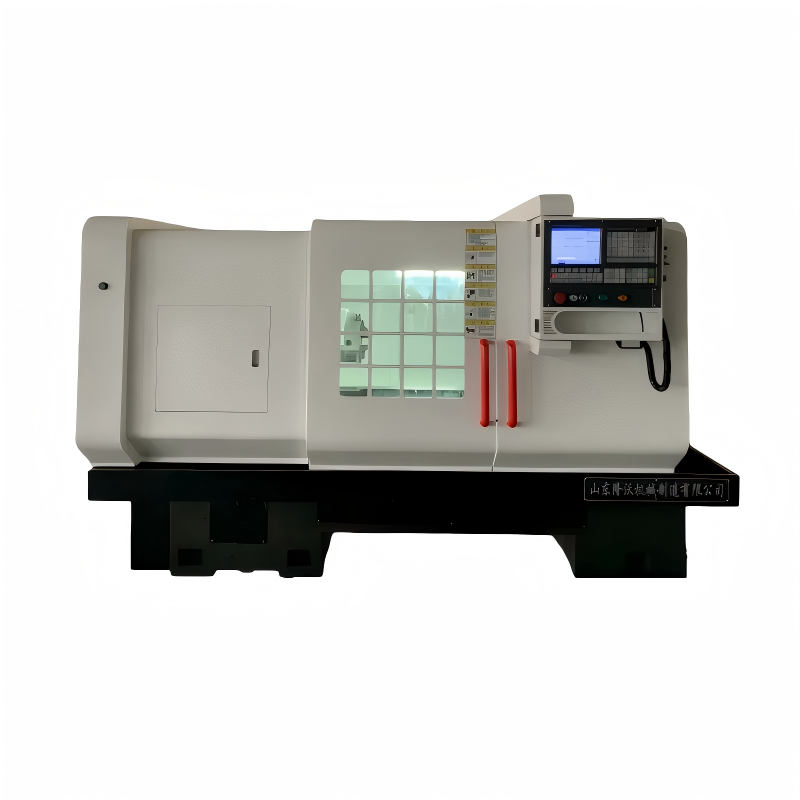
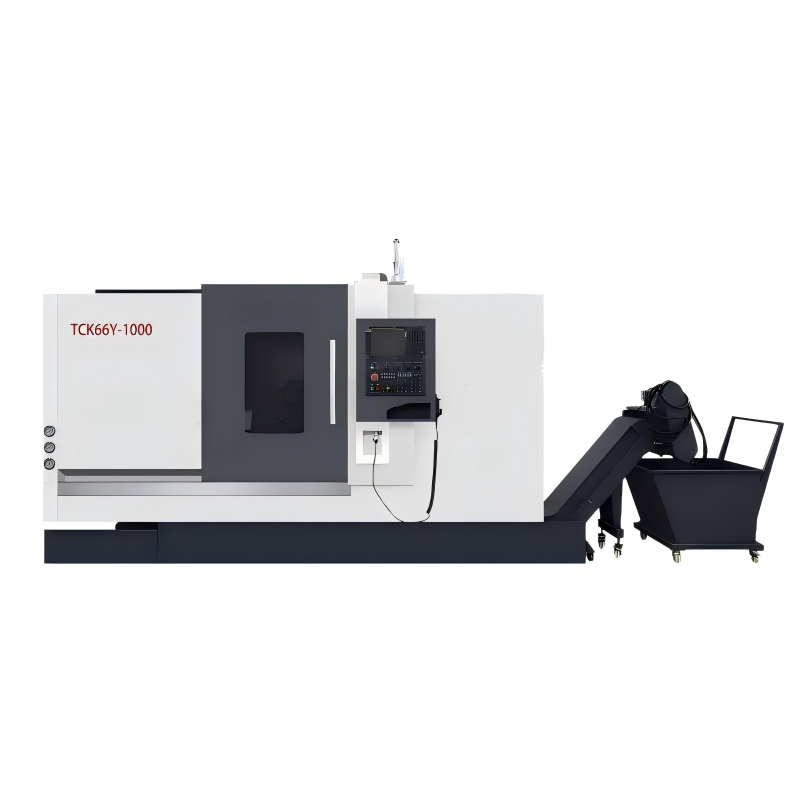
In the realm of precision engineering, the role of 3 Axis Vertical Machining Centers (VMCs) is pivotal. These advanced machines have become indispensable in a variety of manufacturing processes, from aerospace to automotive, and from medical devices to consumer electronics. This report delves into the significance of 3 Axis VMCs in precision engineering, exploring their capabilities, applications, and the technological advancements that drive their performance.
One of the most significant advantages of 3 Axis Vertical Machining Centers is their ability to achieve high levels of precision and accuracy. These machines are designed with a robust structure and advanced control systems, allowing for precise movement along the X, Y, and Z axes. The integration of high-precision linear guides and ball screws ensures smooth and accurate motion, which is critical in applications where tolerances are extremely tight. For instance, in the aerospace industry, components such as turbine blades and engine parts require micron-level precision, and 3 Axis VMCs are well-suited to meet these stringent requirements.
Moreover, the use of advanced software and programming techniques, such as Computer-Aided Manufacturing (CAM), further enhances the precision of 3 Axis VMCs. CAM software allows for the creation of complex toolpaths and the optimization of machining parameters, ensuring that the final product meets the desired specifications. This level of precision is essential in industries where even the slightest deviation can lead to catastrophic failures, making 3 Axis VMCs a cornerstone of modern precision engineering.
Another key aspect of 3 Axis Vertical Machining Centers is their versatility and flexibility in handling a wide range of materials and part geometries. These machines are capable of machining various materials, including metals, plastics, and composites, with equal efficiency. The ability to switch between different tools and operations, such as milling, drilling, and tapping, makes 3 Axis VMCs highly adaptable to diverse manufacturing needs.
Furthermore, the modular design of many 3 Axis VMCs allows for easy customization and expansion. Additional features such as automatic tool changers, coolant systems, and probing devices can be integrated to enhance the machine's capabilities. This flexibility is particularly valuable in industries that require rapid prototyping and small-batch production, where the ability to quickly reconfigure the machine for different tasks is crucial. For example, in the medical device industry, 3 Axis VMCs are used to produce intricate parts such as surgical instruments and implantable devices, which often require multiple machining operations and strict quality control.
3 Axis Vertical Machining Centers also play a vital role in increasing productivity and efficiency in manufacturing processes. These machines are equipped with high-speed spindles and powerful motors, enabling them to perform operations at high feed rates and cutting speeds. This not only reduces the overall machining time but also minimizes the wear and tear on the machine, leading to lower maintenance costs and longer service life.
Additionally, the automation features of 3 Axis VMCs, such as pallet changers and robotic loading systems, further enhance productivity by reducing setup times and minimizing operator intervention. In high-volume production environments, these features can significantly increase throughput and reduce labor costs. For example, in the automotive industry, 3 Axis VMCs are used to mass-produce parts such as engine blocks and transmission cases, where high productivity and consistent quality are paramount.
The integration of Industry 4.0 technologies, such as the Internet of Things (IoT) and artificial intelligence (AI), is also transforming the way 3 Axis VMCs operate. Real-time monitoring and predictive maintenance capabilities allow for proactive management of the machine's performance, reducing downtime and improving overall efficiency. This digital transformation is driving the next generation of 3 Axis VMCs, making them even more reliable and efficient in the face of evolving manufacturing demands.
In conclusion, 3 Axis Vertical Machining Centers are essential tools in the field of precision engineering. Their ability to deliver high precision and accuracy, combined with their versatility and flexibility, makes them indispensable in a wide range of industries. Moreover, their contribution to increased productivity and efficiency, coupled with the integration of advanced technologies, positions them as a cornerstone of modern manufacturing. As the demand for high-quality, precision-engineered products continues to grow, the role of 3 Axis VMCs will only become more significant in the years to come.
 23/06/2026
The 3 Axis Vertical Machining Center (VMC) is a versatile and efficient tool in the world of manufacturing, capable of producing complex parts with high precision. This type of machining center plays a crucial role in various industries, from automotive t
Read More23/06/2026The 3 Axis Vertical Machining Center is a cornerstone in modern manufacturing, providing unparalleled precision and efficiency. This technical report delves into the advanced features and capabilities that make this machine a preferred choice for many ind
Read More23/06/2026In the realm of modern manufacturing, the 3 Axis Vertical Machining Center (VMC) stands out as a pivotal tool for precision and efficiency. This report delves into the advantages that 3 Axis VMCs offer, highlighting their significance in contemporary indu
Read MoreOur professional sales team is always ready to assist you.