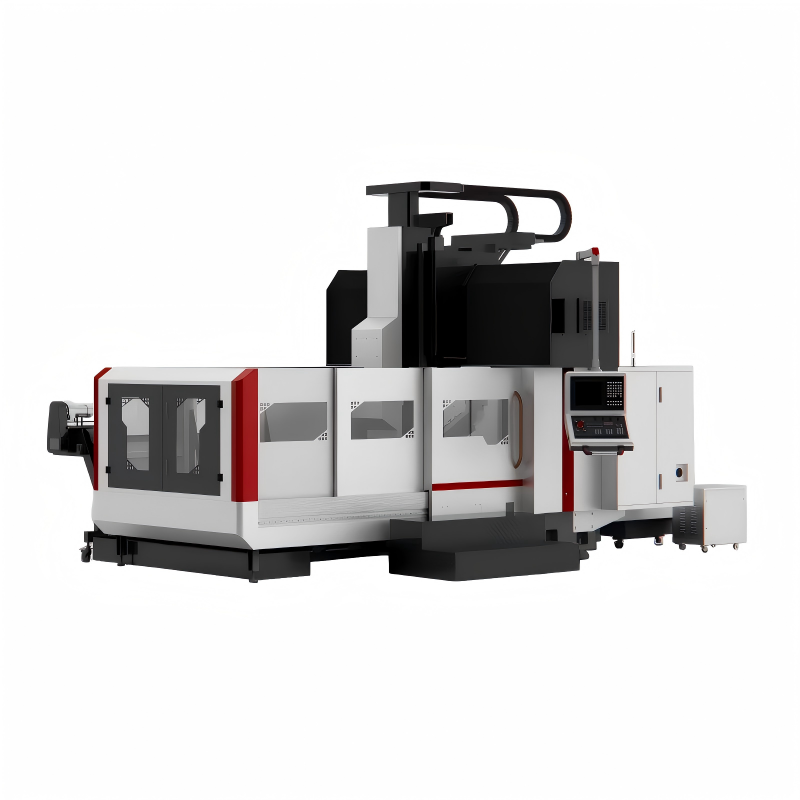
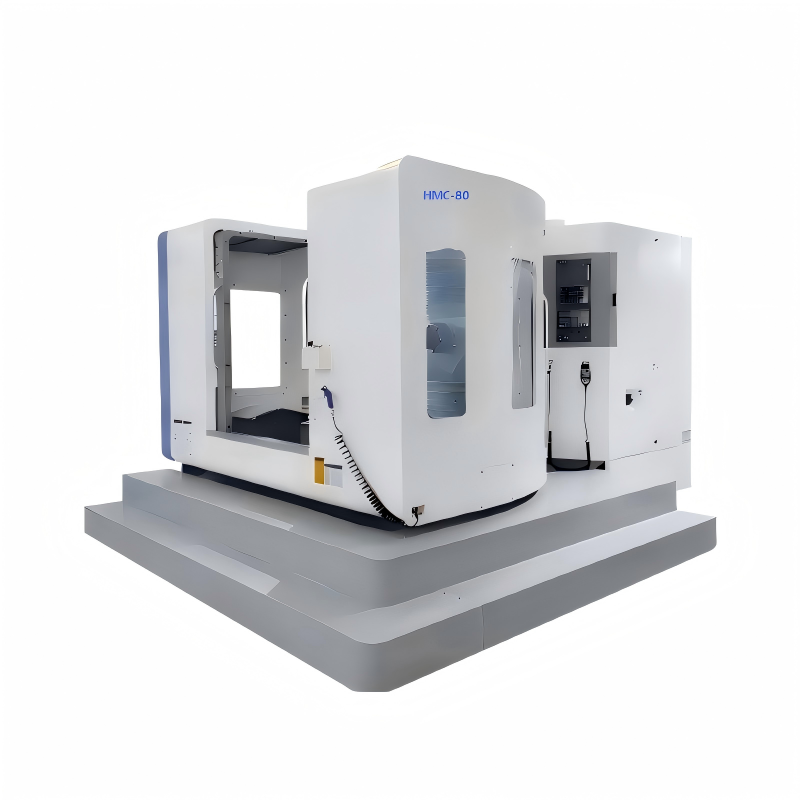
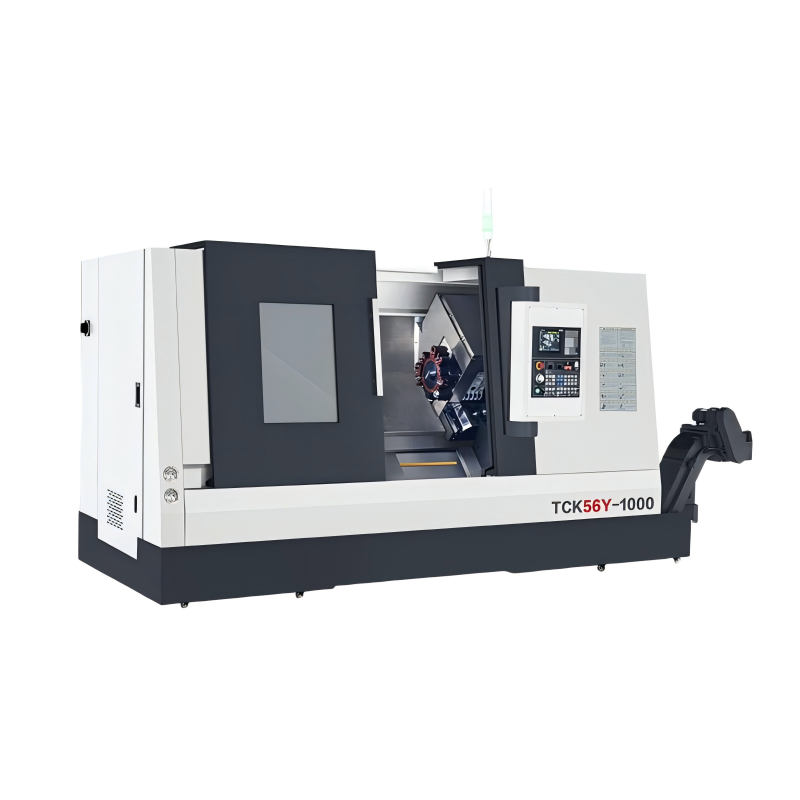
In the realm of manufacturing, precision is not just a preference but a necessity. A high-quality Precision Milling Machine stands out as an indispensable tool for achieving the exacting standards required in today’s competitive market. This report delves into the advantages of such machines, exploring their impact on productivity, quality, and cost-effectiveness.
The primary advantage of a high-quality precision milling machine lies in its ability to deliver unparalleled accuracy. These machines are equipped with advanced control systems that can execute complex operations with micron-level precision. This level of accuracy ensures that every part produced meets the stringent specifications required by modern industries. The use of high-precision components, such as linear guides and ball screws, further enhances the machine's performance, ensuring consistent and reliable results.
Moreover, the integration of computer numerical control (CNC) technology allows for the automation of intricate milling processes. CNC systems enable the machine to follow precise instructions, reducing the likelihood of human error and ensuring that each operation is performed with the same level of accuracy. This is particularly crucial in industries such as aerospace, automotive, and medical, where even the slightest deviation can have significant consequences.
A high-quality precision milling machine significantly boosts productivity through its high-speed capabilities and efficient operation. These machines are designed to handle a wide range of materials, from soft metals to hard alloys, with ease. The ability to switch between different materials and operations without compromising speed or quality is a key factor in their efficiency.
Furthermore, the use of multi-axis configurations, such as 3-axis, 4-axis, and 5-axis milling, allows for the simultaneous machining of multiple surfaces. This reduces the need for repositioning the workpiece, thereby saving time and increasing throughput. The ability to perform complex operations in a single setup also minimizes the risk of errors and improves overall production efficiency.
Additionally, these machines often come with advanced features such as automatic tool changers and high-speed spindles, which further enhance their productivity. Automatic tool changers allow for the quick and seamless transition between different tools, reducing downtime and increasing the machine's utilization rate. High-speed spindles, on the other hand, enable faster cutting speeds, which not only increase productivity but also improve surface finish and dimensional accuracy.
While the initial investment in a high-quality precision milling machine may be significant, the long-term benefits far outweigh the costs. These machines are built to last, with robust construction and high-quality components that ensure durability and reliability. The reduced need for maintenance and repairs translates into lower operational costs over the machine's lifespan.
Moreover, the precision and efficiency of these machines lead to a reduction in material waste. Accurate machining means that less material is scrapped due to defects, which can result in substantial savings, especially when working with expensive materials. The ability to produce parts with tight tolerances also reduces the need for post-machining processes, such as grinding or polishing, further lowering production costs.
Finally, the versatility of high-quality precision milling machines allows them to be used for a wide range of applications, making them a valuable asset for any manufacturing facility. The ability to adapt to changing production requirements and handle a variety of materials and operations makes these machines a cost-effective solution for both short-run and high-volume production.
In conclusion, a high-quality precision milling machine offers numerous advantages that make it an essential tool for modern manufacturing. The enhanced precision and accuracy, increased productivity and efficiency, and cost-effectiveness of these machines contribute to their value. As the demand for high-precision parts continues to grow, investing in a high-quality precision milling machine is a strategic decision that can drive success and competitiveness in the industry.
Our professional sales team is always ready to assist you.