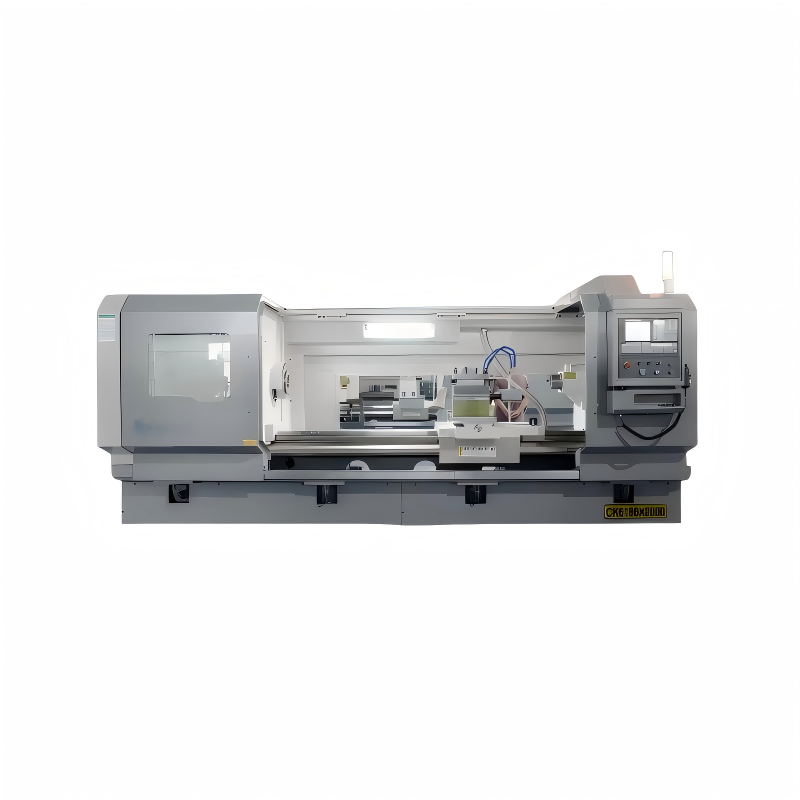
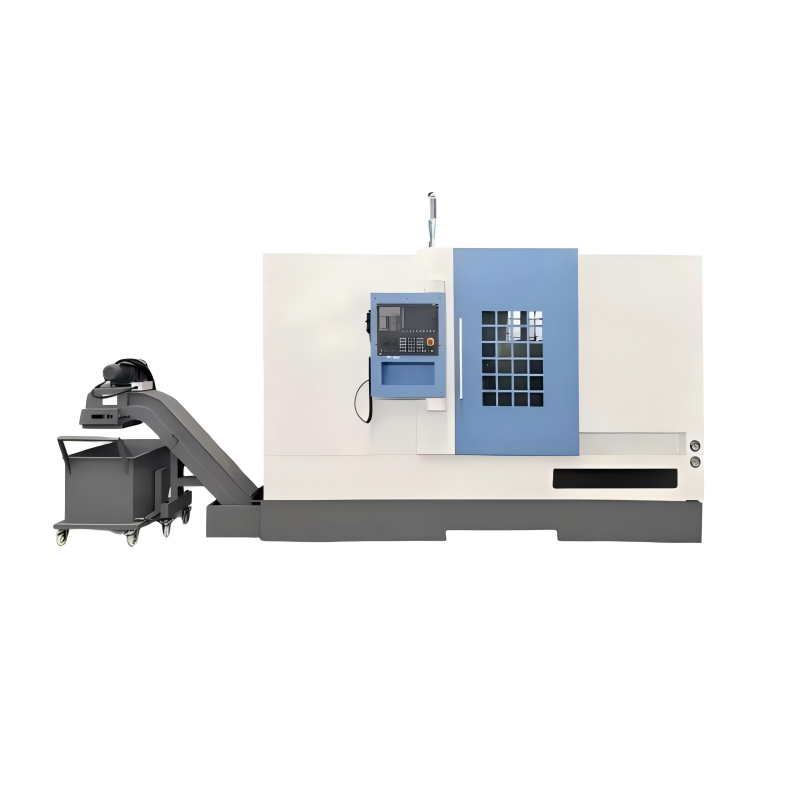
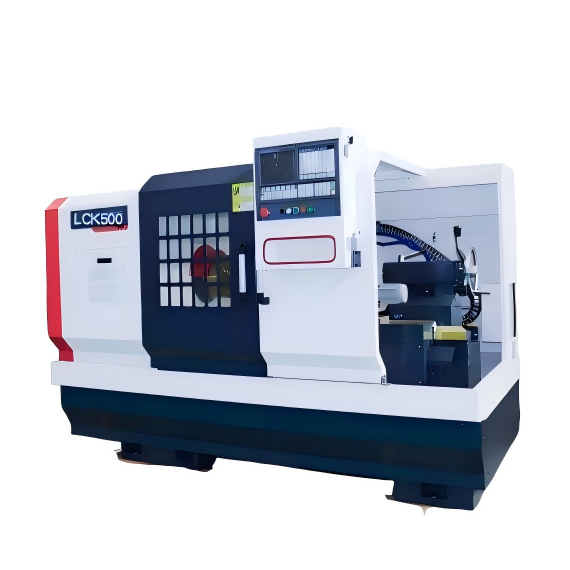
Heavy-Duty Milling Machines play a crucial role in the manufacturing industry, providing the capability to process large and complex parts with high precision. Understanding the capabilities of a heavy-duty milling machine is essential for manufacturers aiming to optimize their production processes and meet the demands of modern engineering.
Design and Construction
The design and construction of a heavy-duty milling machine are critical factors that determine its performance and durability. These machines are built to handle the most demanding tasks, often featuring robust cast iron frames and reinforced components to withstand the high forces and vibrations generated during operation. The use of high-quality materials and advanced manufacturing techniques ensures that these machines can operate reliably over long periods without significant wear or degradation. Additionally, the ergonomic design of the control panel and user interface enhances operator comfort and efficiency, reducing the risk of errors and improving overall productivity.
Advanced Features and Technologies
Modern heavy-duty milling machines are equipped with a range of advanced features and technologies that enhance their functionality and versatility. One of the key features is the integration of CNC (Computer Numerical Control) systems, which allow for precise and automated control of the machining process. CNC systems enable operators to program complex machining operations, ensuring consistent and accurate results. Furthermore, many heavy-duty milling machines incorporate multi-axis capabilities, allowing for the machining of intricate geometries and three-dimensional parts. This feature is particularly valuable in industries such as aerospace and automotive, where precision and complexity are paramount. Other advanced technologies include real-time monitoring systems, which provide instant feedback on machine performance and part quality, and adaptive control systems, which adjust the machining parameters in response to changing conditions, ensuring optimal performance and minimizing downtime.
Applications and Industries
Heavy-duty milling machines find applications across a wide range of industries, each with its unique requirements and challenges. In the aerospace industry, these machines are used to produce high-precision components for aircraft and spacecraft, where even the slightest deviation can have catastrophic consequences. The automotive industry relies on heavy-duty milling machines to manufacture engine blocks, transmission cases, and other critical parts, ensuring the reliability and performance of vehicles. In the energy sector, these machines are employed in the production of turbine blades, generators, and other components for power generation and distribution. The versatility of heavy-duty milling machines also extends to the medical, construction, and general manufacturing sectors, where they are used to create a variety of parts and components. The ability of these machines to handle a wide range of materials, from metals and alloys to composites and ceramics, further enhances their applicability across different industries.
Maintenance and Longevity
Proper maintenance is essential for ensuring the longevity and optimal performance of a heavy-duty milling machine. Regular maintenance routines, including lubrication, cleaning, and inspection, help to prevent wear and tear and identify potential issues before they become major problems. Many modern heavy-duty milling machines come with built-in diagnostic tools and predictive maintenance systems, which can alert operators to impending failures and recommend corrective actions. Additionally, following the manufacturer's guidelines for tooling, cutting parameters, and operating procedures is crucial for maintaining the machine's accuracy and efficiency. By investing in regular maintenance and adhering to best practices, manufacturers can extend the lifespan of their heavy-duty milling machines and ensure consistent, high-quality output.
Cost Considerations and ROI
While heavy-duty milling machines represent a significant investment, they offer substantial long-term benefits that justify the initial cost. The ability to produce high-precision parts with minimal setup time and reduced scrap rates can lead to significant cost savings and improved profitability. Moreover, the versatility and adaptability of these machines allow manufacturers to take on a wider range of projects, increasing their market competitiveness and revenue potential. The return on investment (ROI) for a heavy-duty milling machine can be further enhanced by leveraging advanced features and technologies, such as CNC systems and multi-axis capabilities, which can increase productivity and reduce labor costs. Additionally, the extended lifespan and lower maintenance costs associated with well-maintained machines contribute to a more favorable ROI over the long term.
In conclusion, understanding the capabilities of a heavy-duty milling machine is crucial for manufacturers seeking to maximize their production efficiency and meet the demands of modern engineering. By considering the design and construction, advanced features and technologies, applications and industries, maintenance and longevity, and cost considerations, manufacturers can make informed decisions and leverage the full potential of these powerful machines.