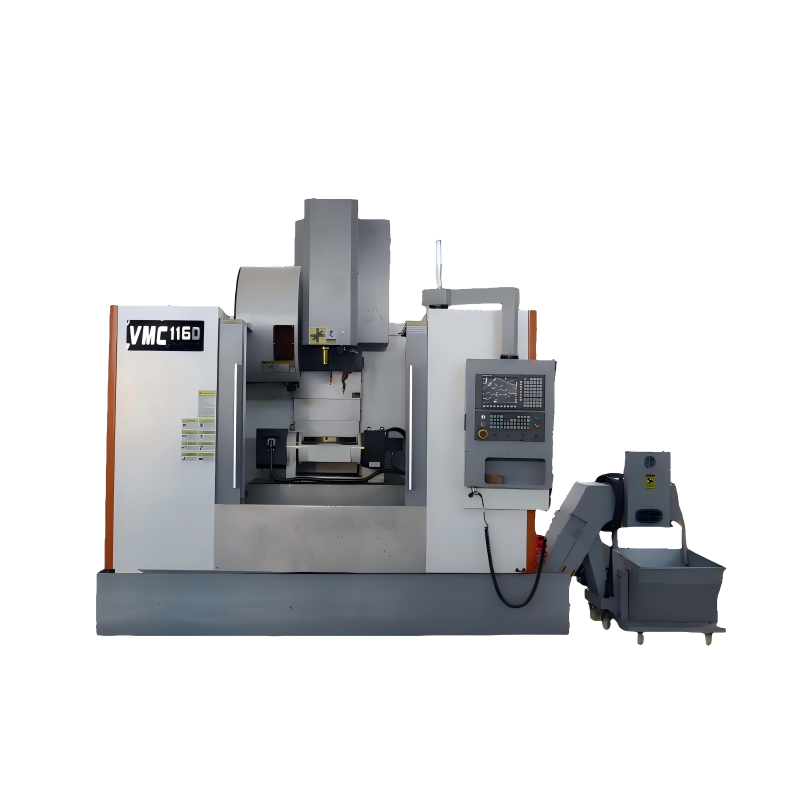
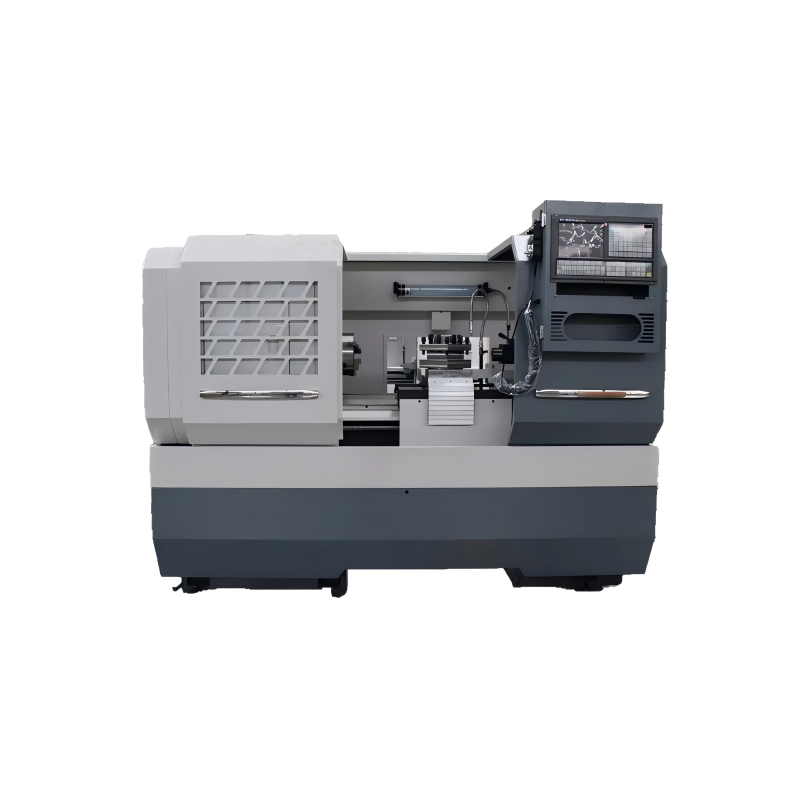
The Vertical Milling Machine center is a versatile piece of equipment widely used in the manufacturing industry for its precision and efficiency. This technical report aims to provide a comprehensive understanding of the basics of a vertical milling machine, exploring its components, operation, and applications.
Introduction to Vertical Milling Machines
A vertical milling machine, also known as a vertical miller, is a type of machine tool that uses a vertically oriented spindle to perform cutting operations on a workpiece. The primary function of a vertical milling machine is to remove material from a workpiece to create a desired shape or surface finish. These machines are commonly used in the production of parts for various industries, including automotive, aerospace, and electronics. The vertical orientation of the spindle allows for greater flexibility in terms of the types of cuts that can be made, making it an essential tool in many workshops and factories.
The vertical milling machine center consists of several key components that work together to achieve precise and efficient machining. These components include:
- Spindle: The spindle is the heart of the vertical milling machine. It holds and rotates the cutting tool, such as an end mill or drill bit, at high speeds. The spindle is typically powered by an electric motor and can be adjusted for different cutting speeds and feed rates.
- Table: The table is the platform on which the workpiece is mounted. It can move horizontally (X-axis) and longitudinally (Y-axis) to position the workpiece relative to the cutting tool. Some advanced vertical milling machines also have a Z-axis, allowing for vertical movement of the table.
- Column and Base: The column is the vertical support structure that houses the spindle and other components. It is attached to a sturdy base, which provides stability and absorbs vibrations during operation. The column and base are critical for maintaining the accuracy and precision of the milling process.
- Feed Mechanism: The feed mechanism controls the movement of the table and the spindle. It can be manually operated or automated, depending on the machine's design. Automated feed mechanisms use servomotors and computer numerical control (CNC) systems to achieve highly accurate and repeatable movements.
- Cutting Tools: Various cutting tools can be used with a vertical milling machine, including end mills, face mills, and drills. These tools are selected based on the specific requirements of the job, such as the material being machined and the desired surface finish.
Understanding these components and their functions is crucial for operating a vertical milling machine effectively and safely.
Operation and Control of a Vertical Milling Machine
The operation of a vertical milling machine involves several steps, each of which must be performed carefully to ensure the desired results. Here is a general overview of the process:
- Setup: The first step is to set up the workpiece on the table. This involves securing the workpiece using clamps or vices to prevent any movement during the machining process. The cutting tool is then installed in the spindle, and the spindle speed and feed rate are set according to the material and the desired cut.
- Positioning: The table is positioned to align the workpiece with the cutting tool. This is done using the X, Y, and Z axes, which can be controlled manually or through a CNC system. Precise positioning is essential to achieve the correct dimensions and tolerances.
- Machining: Once the workpiece and cutting tool are properly aligned, the machining process begins. The spindle rotates the cutting tool, and the table moves to bring the workpiece into contact with the tool. The cutting action removes material from the workpiece, creating the desired shape or surface finish.
- Inspection: After the machining process is complete, the workpiece is inspected to ensure that it meets the required specifications. This may involve measuring the dimensions, checking the surface finish, and verifying the overall quality of the part.
Modern vertical milling machines often incorporate advanced control systems, such as CNC, which allow for more precise and consistent machining. CNC systems use pre-programmed instructions to control the movement of the table and spindle, enabling the machine to produce complex and intricate parts with high accuracy.
Applications of Vertical Milling Machines
Vertical milling machines are used in a wide range of applications across various industries. Some common applications include:
- Automotive Industry: In the automotive industry, vertical milling machines are used to produce engine components, transmission parts, and other critical components. The precision and versatility of these machines make them ideal for machining a variety of materials, including steel, aluminum, and cast iron.
- Aerospace Industry: The aerospace industry relies heavily on vertical milling machines to manufacture aircraft components, such as wing spars, fuselage sections, and landing gear. The ability to produce high-precision parts with tight tolerances is essential in this industry, where safety and performance are paramount.
- Electronics Industry: In the electronics industry, vertical milling machines are used to produce circuit boards, connectors, and other small, intricate components. The high-speed and precision capabilities of these machines are well-suited for working with delicate materials and achieving fine details.
- Tool and Die Making: Tool and die makers use vertical milling machines to create molds, dies, and other specialized tools. The ability to perform a wide range of cutting operations, including drilling, tapping, and slotting, makes these machines indispensable in the tool and die industry.
- General Machining: Beyond specific industries, vertical milling machines are used in general machining applications, such as producing prototypes, custom parts, and small-batch production runs. Their versatility and ease of use make them a popular choice for both small and large-scale manufacturing operations.
The versatility and precision of vertical milling machines make them a valuable asset in many manufacturing environments. By understanding the basics of these machines, operators can leverage their capabilities to produce high-quality parts efficiently and effectively.
Maintenance and Safety Considerations
To ensure the optimal performance and longevity of a vertical milling machine, regular maintenance is essential. Key maintenance tasks include:
- Lubrication: Regularly lubricate moving parts, such as the spindle, table, and feed mechanisms, to reduce friction and wear. Follow the manufacturer's recommendations for the type and frequency of lubrication.
- Cleaning: Keep the machine clean by removing chips and debris after each use. Use compressed air or a brush to clean hard-to-reach areas, and periodically inspect the machine for signs of wear or damage.
- Calibration: Periodically calibrate the machine to ensure that it is operating within the specified tolerances. This may involve adjusting the alignment of the table, spindle, and other components.
- Inspection: Conduct regular inspections of the machine to identify and address any issues before they become major problems. Pay special attention to the condition of the cutting tools, as worn or damaged tools can affect the quality of the machining process.
Safety is also a critical consideration when operating a vertical milling machine. Operators should follow these safety guidelines:
- Personal Protective Equipment (PPE): Always wear appropriate PPE, including safety glasses, hearing protection, and gloves, to protect against flying debris and noise.
- Training: Ensure that all operators are properly trained on the safe and effective use of the machine. This includes understanding the controls, setup procedures, and emergency stop functions.
- Work Area: Maintain a clean and organized work area to minimize the risk of accidents. Keep the floor free of clutter and ensure that there is adequate lighting and ventilation.
- Machine Guards: Use machine guards and other safety devices to protect against accidental contact with moving parts. Never remove or bypass safety features without proper authorization.
By following these maintenance and safety practices, operators can ensure that the vertical milling machine remains in good working condition and operates safely.
Conclusion
The vertical milling machine center is a powerful and versatile tool that plays a vital role in modern manufacturing. Understanding the basics of its components, operation, and applications is essential for anyone involved in the machining process. By leveraging the precision and flexibility of these machines, manufacturers can produce high-quality parts efficiently and cost-effectively. Additionally, regular maintenance and adherence to safety guidelines are crucial for ensuring the longevity and safe operation of the machine. As technology continues to advance, vertical milling machines will likely remain a cornerstone of the manufacturing industry, providing the precision and versatility needed to meet the demands of a wide range of applications.