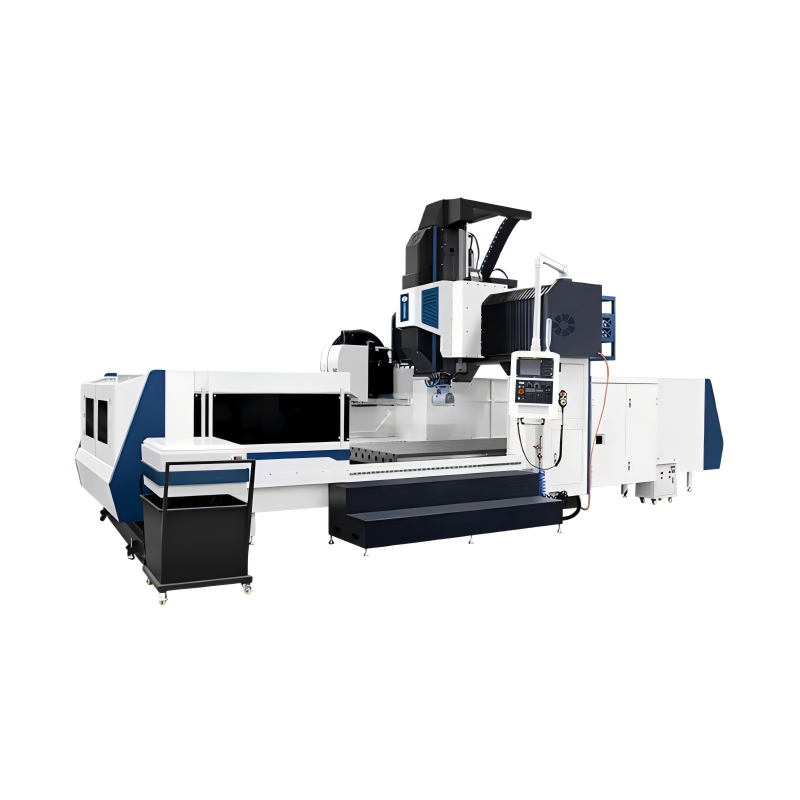
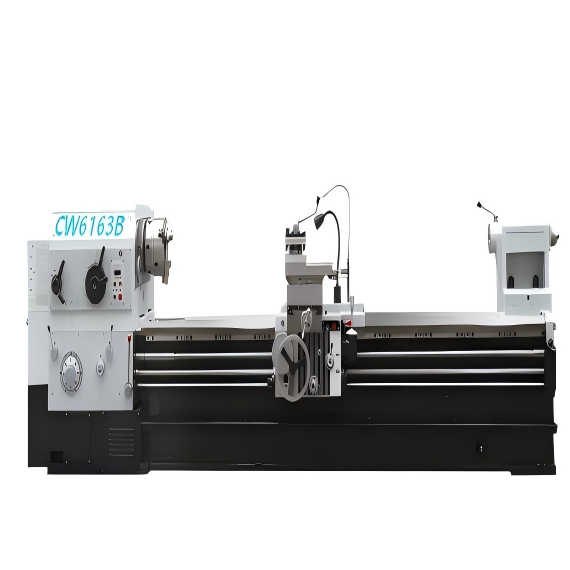
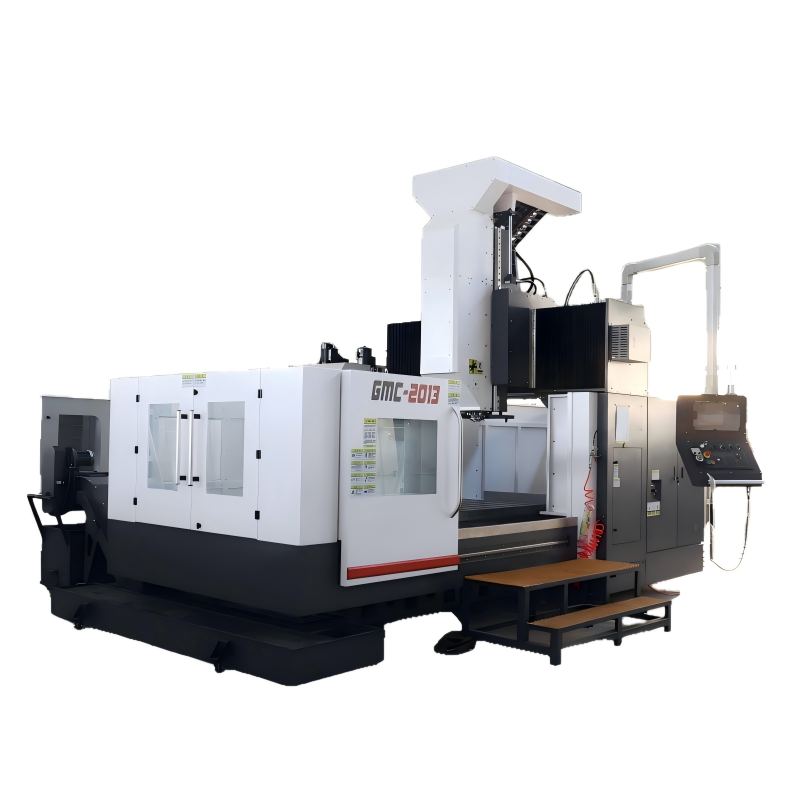
The universal milling machine is a versatile piece of equipment that has become an indispensable tool in various industries, including automotive, aerospace, and manufacturing. Its ability to perform a wide range of operations, from simple drilling and cutting to complex contouring, makes it a valuable asset for both small workshops and large-scale production facilities. This technical report aims to explore the capabilities of modern universal milling machines, highlighting their advancements, applications, and future trends.
Modern universal milling machines have seen significant advancements in design and technology, making them more efficient and capable than ever before. One of the key improvements is the integration of computer numerical control (CNC) systems, which allow for precise and automated operation. CNC universal milling machines can execute complex programs with high accuracy, reducing human error and increasing productivity. Additionally, the use of advanced materials in the construction of these machines, such as high-strength alloys and composite materials, has enhanced their durability and performance. These advancements have also led to reduced maintenance requirements and longer operational lifespans, making them a cost-effective investment for businesses.
One of the most significant advantages of modern universal milling machines is their enhanced precision and versatility. These machines are equipped with high-precision spindles and advanced control systems that enable them to achieve tight tolerances and smooth finishes. The ability to adjust the angle of the milling head allows for a wide range of operations, including horizontal, vertical, and angular milling. This flexibility makes the universal milling machine suitable for a variety of tasks, from basic machining to intricate part production. Furthermore, the integration of multi-axis capabilities, such as 4-axis and 5-axis milling, has expanded the machine's capabilities, allowing for the creation of complex geometries and parts with multiple features in a single setup.
The integration of advanced software and automation technologies has revolutionized the way universal milling machines operate. Modern CNC systems come with user-friendly interfaces and powerful software tools that simplify programming and operation. CAD/CAM (Computer-Aided Design/Computer-Aided Manufacturing) software enables operators to create detailed 3D models and generate toolpaths automatically, streamlining the entire machining process. Additionally, the use of simulation software allows for virtual testing and optimization of machining operations, reducing the risk of errors and improving overall efficiency. Automation technologies, such as robotic loading and unloading systems, further enhance productivity by minimizing downtime and maximizing throughput. These advancements have made universal milling machines more accessible and easier to use, even for operators with limited experience.
The versatility of universal milling machines makes them suitable for a wide range of applications across various industries. In the automotive sector, these machines are used for the production of engine components, transmission parts, and other critical components that require high precision and durability. In the aerospace industry, they are employed for the machining of aircraft parts, such as turbine blades and structural components, where tight tolerances and complex geometries are essential. The medical industry also benefits from the precision and flexibility of universal milling machines, using them to manufacture surgical instruments and implantable devices. Moreover, the machine's ability to handle a variety of materials, including metals, plastics, and composites, makes it a valuable tool in the manufacturing of consumer goods, electronics, and other products.
As technology continues to advance, the future of universal milling machines looks promising. One of the key trends is the integration of artificial intelligence (AI) and machine learning (ML) algorithms, which can optimize machining parameters and predict maintenance needs, leading to increased efficiency and reduced downtime. Another trend is the development of hybrid machines that combine milling, turning, and grinding capabilities in a single unit, offering even greater versatility and productivity. Additionally, the adoption of Industry 4.0 principles, such as the Internet of Things (IoT) and data analytics, will enable real-time monitoring and control of machining processes, enhancing overall performance and quality. These innovations will continue to drive the evolution of universal milling machines, ensuring their relevance and value in the rapidly changing landscape of manufacturing and engineering.
In conclusion, the universal milling machine remains a vital tool in modern manufacturing, thanks to its advanced design, precision, and versatility. The integration of CNC systems, advanced materials, and automation technologies has significantly enhanced its capabilities, making it a cost-effective and efficient solution for a wide range of applications. As the industry continues to evolve, the future of universal milling machines holds exciting possibilities, driven by advancements in AI, hybrid technologies, and Industry 4.0. By embracing these innovations, manufacturers can stay ahead of the curve and meet the growing demands of today's competitive market.
 25/06/2026
The universal milling machine is a versatile piece of equipment that has been a cornerstone in the manufacturing and engineering industries for decades. Its ability to perform a wide range of operations, from simple to complex, makes it an indispensable t
Read MoreOur professional sales team is always ready to assist you.