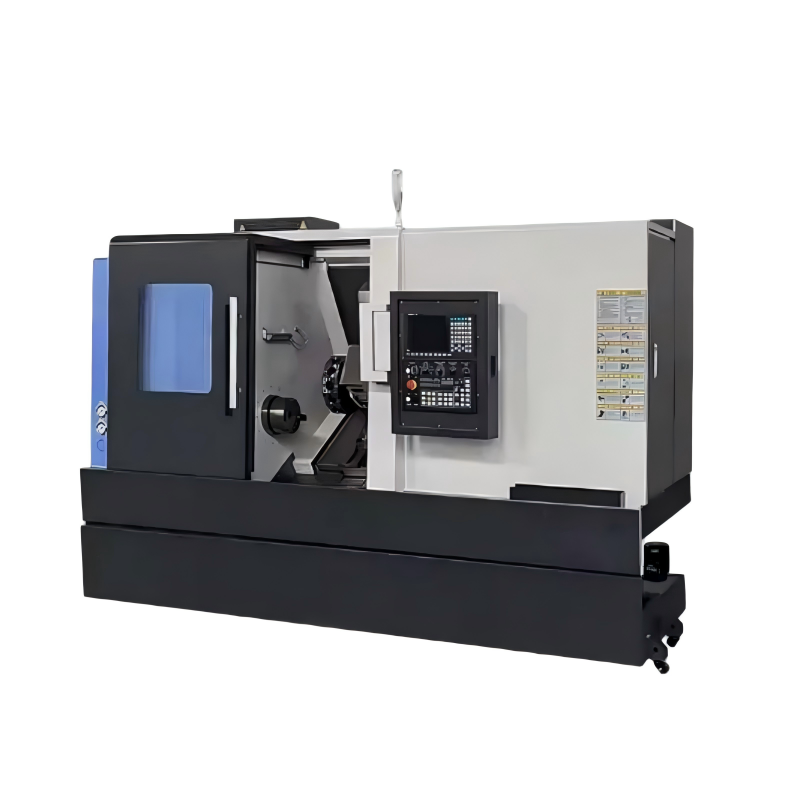
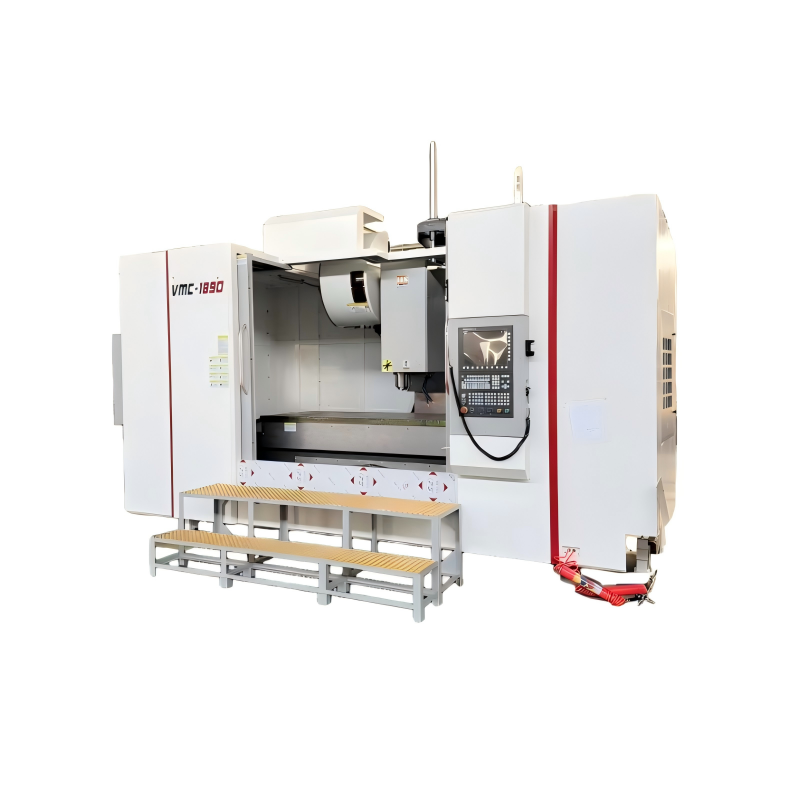
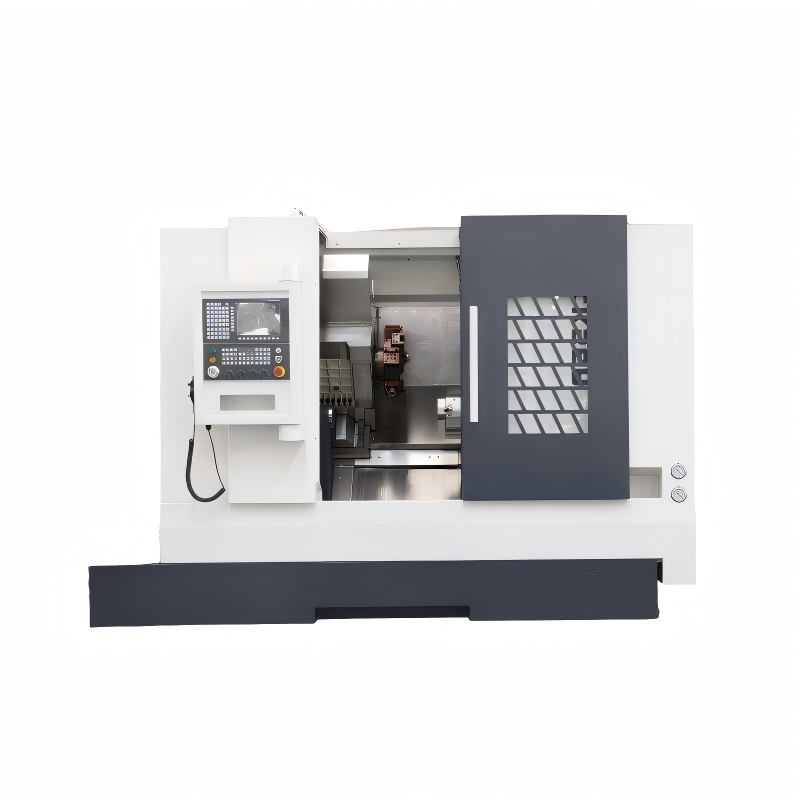
The Bed-Type Milling Machine is an essential piece of equipment in the manufacturing and machining industries, offering versatility and precision that are crucial for producing high-quality components. This technical report delves into advanced techniques for operating a bed-type milling machine, aimed at enhancing productivity, improving accuracy, and ensuring safety.
A bed-type milling machine is characterized by its robust construction, which includes a fixed bed and a movable table. The bed supports the entire structure, while the table can move along multiple axes to position the workpiece accurately. Understanding the anatomy and functionality of this machine is the first step towards mastering its operation. Key components include the spindle, which holds and rotates the cutting tool; the knee, which adjusts the height of the table; and the column, which supports the head containing the spindle. Familiarity with these parts and their roles is fundamental for efficient and safe operation.
Proper setup is critical for achieving optimal results when using a bed-type milling machine. The following best practices can help operators streamline the process and enhance overall efficiency:
By following these setup procedures, operators can minimize errors and maximize the machine's performance.
Mastering advanced cutting techniques is key to leveraging the full potential of a bed-type milling machine. Here are some techniques that can significantly improve the quality and efficiency of the milling process:
Implementing these advanced cutting techniques can result in higher productivity, better part quality, and reduced production costs.
Regular maintenance and effective troubleshooting are essential for keeping a bed-type milling machine in top working condition. Here are some key maintenance and troubleshooting tips:
By adhering to a regular maintenance schedule and being proactive in addressing any issues, operators can extend the lifespan of the machine and ensure consistent, high-quality output.
Safety and ergonomics are paramount in the operation of a bed-type milling machine. Implementing the following practices can help create a safer and more comfortable working environment:
By prioritizing safety and ergonomics, operators can reduce the risk of accidents and injuries, leading to a more productive and positive work environment.
In conclusion, the bed-type milling machine is a versatile and powerful tool that, when operated with advanced techniques, can significantly enhance productivity and part quality. By understanding the machine's components, optimizing setup procedures, mastering advanced cutting techniques, maintaining the machine, and prioritizing safety and ergonomics, operators can achieve superior results and contribute to the success of their manufacturing processes.
 25/06/2026
The bed-type milling machine is a versatile piece of equipment widely used in various industries for its precision and efficiency. This technical report aims to provide a comprehensive understanding of the basics of the bed-type milling machine, including
Read MoreOur professional sales team is always ready to assist you.