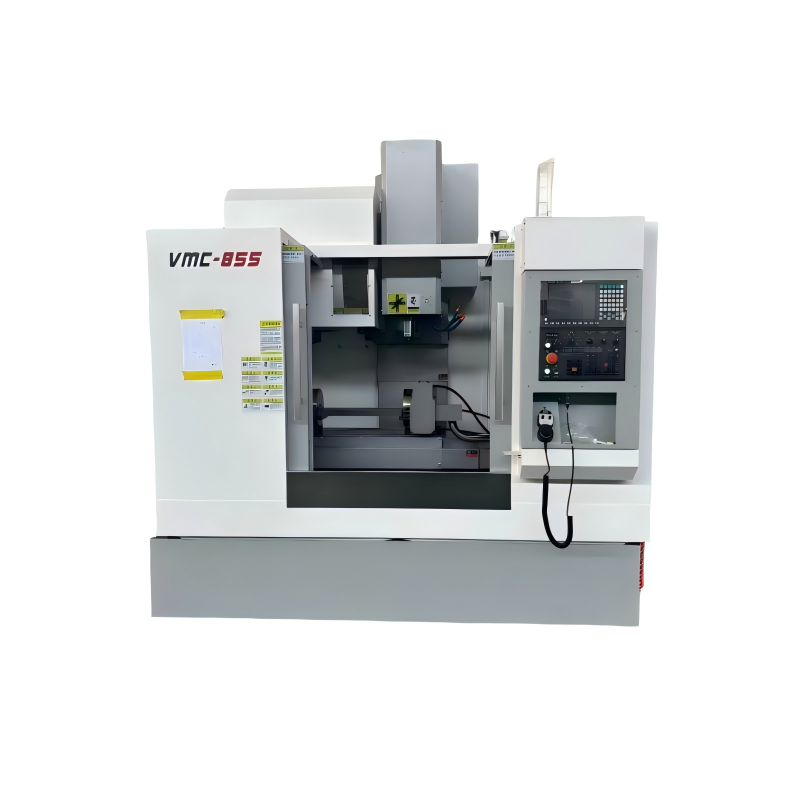
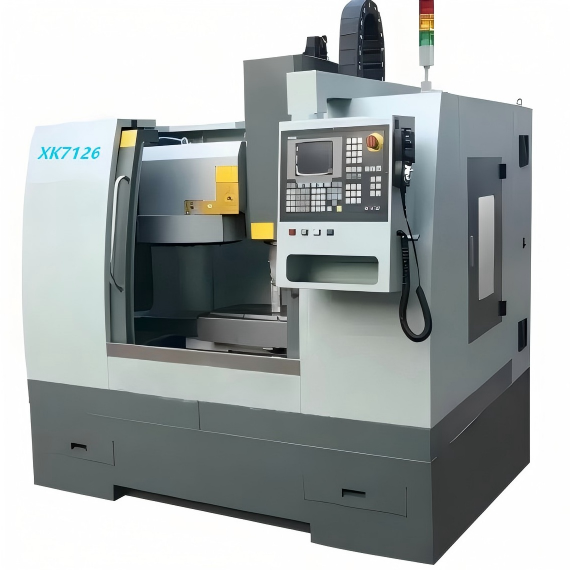
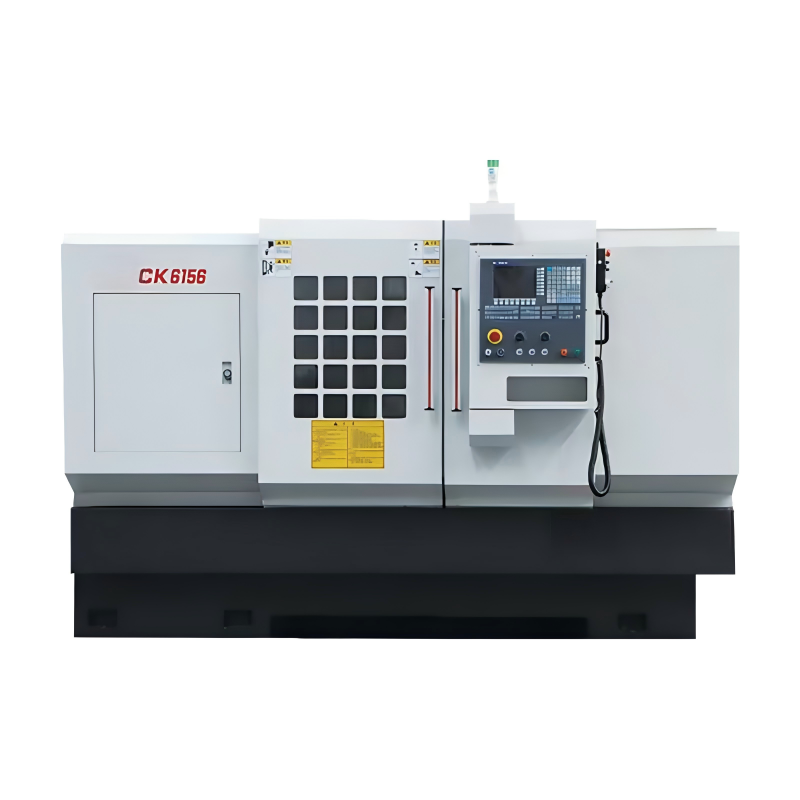
The evolution of manufacturing technologies has always been a driving force behind industrial growth, with each new development bringing about significant changes in efficiency, precision, and productivity. Among these innovations, the Gantry Milling Machine stands out as a revolutionary tool that is transforming the landscape of industrial production. This technical report delves into how gantry milling machines are redefining standards within their field, highlighting key advancements and benefits that make them indispensable to modern industry.
One of the most critical aspects of any machining operation is accuracy. Gantry milling machines excel in this area by incorporating sophisticated design elements that significantly reduce errors and improve overall part quality. The rigid structure of a gantry mill, characterized by its large, stable frame, allows for minimal vibration during operations, which is crucial when working on high-precision components. Additionally, advanced control systems equipped with real-time monitoring capabilities ensure that deviations from set parameters are immediately detected and corrected, leading to consistently accurate results. This level of precision not only enhances product quality but also reduces material waste, making gantry milling an economically viable option for manufacturers aiming to optimize their processes.
A major advantage of gantry milling machines lies in their versatility. These machines can efficiently process a wide range of materials, including metals, composites, and plastics, without compromising on performance or finish. Moreover, the ability to handle large workpieces and execute complex geometries sets gantry mills apart from other types of CNC (Computer Numerical Control) machines. By utilizing multi-axis configurations, such as 5-axis or even 6-axis setups, gantry mills can achieve intricate shapes and contours that would be challenging or impossible to produce using traditional methods. This flexibility opens up new possibilities for designers and engineers, enabling the creation of innovative products that push the boundaries of what's possible in terms of form and function. As industries continue to demand more customized and specialized solutions, the adaptability of gantry milling machines becomes increasingly valuable.
In today’s fast-paced manufacturing environment, time is money, and every second saved translates directly into cost savings and increased competitiveness. Gantry milling machines contribute significantly to boosting productivity through automation. Modern gantry mills often come equipped with features like automatic tool changers, pallet changers, and robotic loading/unloading systems, all designed to minimize downtime between operations. Such automated workflows allow for continuous, uninterrupted processing, thereby maximizing machine utilization rates. Furthermore, integration with CAD/CAM (Computer-Aided Design/Computer-Aided Manufacturing) software enables seamless transition from design to production, streamlining the entire manufacturing process. With reduced setup times and faster cycle times, companies employing gantry milling technology can take on larger volumes of work, meet tighter deadlines, and ultimately, stay ahead in the market.
As environmental consciousness grows across the globe, there is increasing pressure on industries to adopt sustainable practices. Gantry milling machines play a role in promoting sustainability within the manufacturing sector. Firstly, the high efficiency and low waste generation associated with these machines contribute to a reduction in resource consumption. Secondly, many contemporary gantry mills incorporate energy-saving technologies, such as regenerative drives and optimized power management systems, which help lower electricity usage. Lastly, the long lifespan and robust construction of gantry mills mean they require less frequent replacement compared to other types of machinery, further reducing their environmental footprint. By choosing gantry milling solutions, businesses not only enhance their operational efficiency but also demonstrate commitment to responsible manufacturing, aligning themselves with global sustainability goals.
Looking towards the future, it is clear that the next wave of innovation in gantry milling will involve the integration of smart technologies. Industry 4.0 concepts, such as IoT (Internet of Things), AI (Artificial Intelligence), and machine learning, are already beginning to shape the capabilities of these machines. For instance, predictive maintenance algorithms can analyze data collected from sensors embedded in gantry mills to anticipate potential failures before they occur, thus preventing costly breakdowns and extending the life of the equipment. Similarly, adaptive control systems powered by AI can automatically adjust cutting parameters based on real-time feedback, ensuring optimal performance under varying conditions. As these technologies mature, we can expect gantry milling machines to become even more intelligent, responsive, and efficient, paving the way for smarter, more autonomous manufacturing environments.
In conclusion, the advent of gantry milling machines represents a significant leap forward in the realm of industrial production. By enhancing precision, offering unparalleled flexibility, boosting productivity, addressing environmental concerns, and embracing future technological trends, these machines are not just tools; they are catalysts for transformation. As industries continue to evolve, the importance of gantry milling will only grow, solidifying its position as a cornerstone of modern manufacturing.
 25/06/2026
In the realm of modern manufacturing, the gantry milling machine has emerged as a versatile and indispensable tool. This report aims to explore the advantages of using a gantry milling machine in contemporary industrial settings, highlighting its key feat
Read MoreOur professional sales team is always ready to assist you.