How to Choose the Right Horizontal Milling Machine for Your Workshop

26/06/2026 14:25:51

Choosing the right Horizontal Milling Machine for your workshop is a decision that can significantly impact the efficiency, productivity, and quality of your operations. This guide aims to provide you with a comprehensive understanding of the factors to consider when selecting a horizontal milling machine, ensuring that you make an informed choice that aligns with your specific needs.

Understanding the Basics of Horizontal Milling Machines

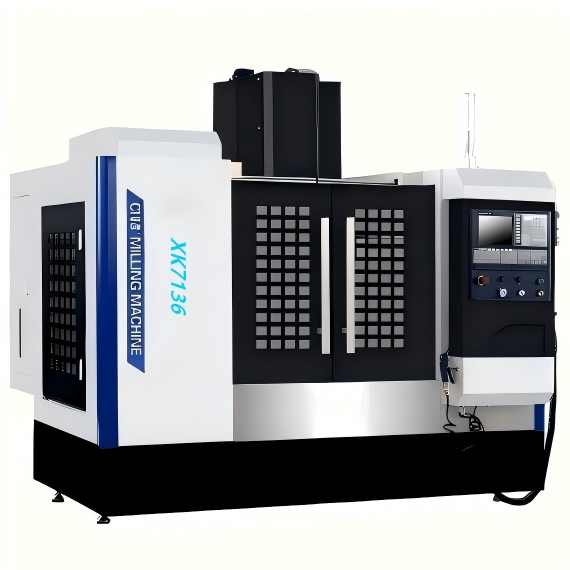
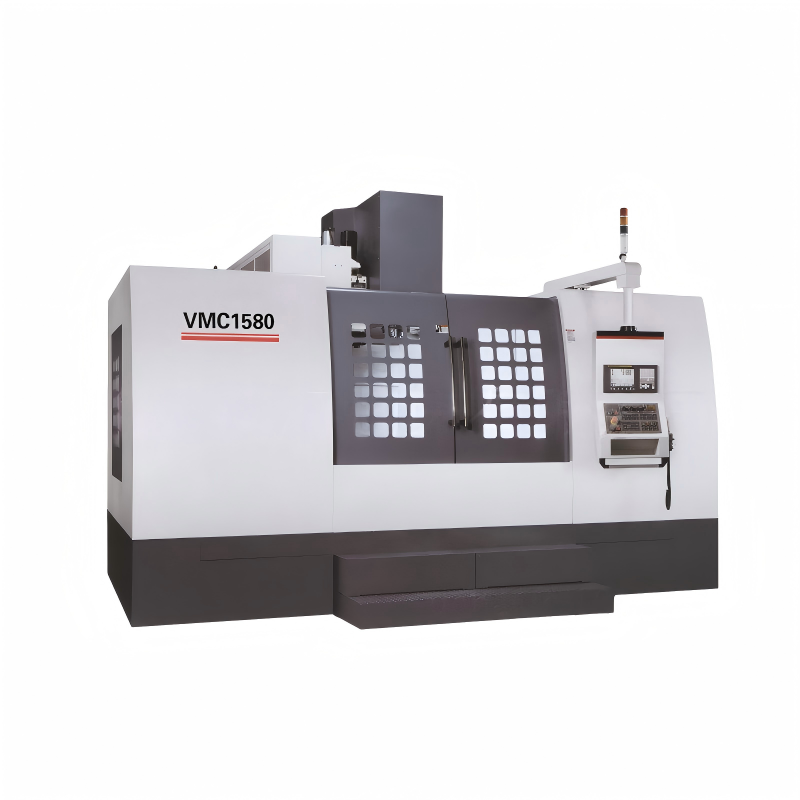
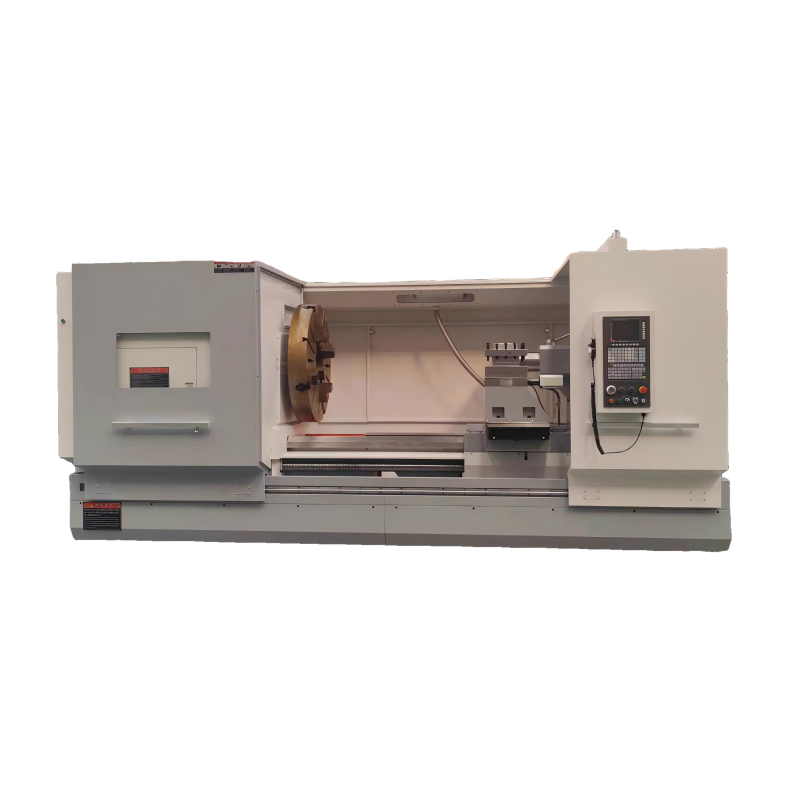
A horizontal milling machine is a versatile tool used in various industries, including manufacturing, automotive, and aerospace. Unlike Vertical Milling Machines, where the spindle axis is perpendicular to the worktable, the spindle axis in a horizontal milling machine is parallel to the worktable. This configuration allows for more flexibility in machining operations, especially when dealing with larger and heavier workpieces. Understanding the basic principles and capabilities of a horizontal milling machine is the first step in making an informed decision.

Key features of a horizontal milling machine include a robust construction, high precision, and the ability to handle a wide range of materials and cutting tools. These machines are typically used for tasks such as face milling, shoulder milling, and slotting, among others. Familiarizing yourself with these features will help you identify the specific requirements of your workshop.

Assessing Your Workshop's Needs and Requirements

Before diving into the specifics of different horizontal milling machines, it is crucial to assess the unique needs and requirements of your workshop. Consider the following factors:

  • Type of Workpieces: Determine the size, weight, and material of the workpieces you will be working with. This will help you choose a machine with the appropriate table size, load capacity, and cutting capabilities.
  • Production Volume: Evaluate the volume of work you need to process. High-volume production may require a more powerful and durable machine, while lower volumes might be better suited for a more compact and cost-effective option.
  • Precision and Tolerance: Identify the level of precision and tolerance required for your projects. Some applications, such as aerospace or medical components, demand extremely high precision, which may necessitate a more advanced machine with sophisticated control systems.
  • Budget: Establish a budget that aligns with your financial constraints. While it is important to invest in a quality machine, there are options available at various price points that can meet your needs without breaking the bank.

By thoroughly assessing these factors, you can narrow down your options and focus on the machines that best match your workshop's requirements.

Evaluating Key Features and Specifications

Once you have a clear understanding of your workshop's needs, the next step is to evaluate the key features and specifications of the horizontal milling machines available in the market. Here are some critical aspects to consider:

  • Spindle Speed and Power: The spindle speed and power are essential for determining the machine's cutting performance. Higher speeds and power ratings are generally better for handling tougher materials and achieving faster cutting rates.
  • Table Size and Travel: The size of the worktable and the travel distance (X, Y, and Z axes) are crucial for accommodating the workpieces and performing the necessary machining operations. Ensure that the machine you choose has a table large enough to support your largest workpiece and sufficient travel to complete the required movements.
  • Coolant System: A reliable coolant system is vital for maintaining the cutting tool's temperature and extending its lifespan. Look for a machine with an efficient and easy-to-maintain coolant system.
  • Control System: The control system determines the ease of operation and the level of automation. Modern horizontal milling machines often come with CNC (Computer Numerical Control) systems, which offer precise control and the ability to program complex machining operations. Consider whether a manual, semi-automatic, or fully automatic control system is best for your workshop.
  • Safety Features: Safety should always be a top priority. Look for machines with built-in safety features such as emergency stop buttons, safety guards, and interlocks to protect operators and prevent accidents.

By carefully evaluating these features, you can ensure that the horizontal milling machine you choose is well-suited to your workshop's operational needs and safety standards.

Considering Long-Term Maintenance and Support

Investing in a horizontal milling machine is a long-term commitment, and it is essential to consider the maintenance and support services offered by the manufacturer. Regular maintenance is crucial for keeping the machine in optimal condition and extending its lifespan. Here are some factors to consider:

  • Warranty and Service Agreements: Check the warranty period and the terms of any service agreements. A longer warranty and comprehensive service package can provide peace of mind and ensure that you receive timely support when needed.
  • Availability of Spare Parts: Ensure that spare parts are readily available and that the manufacturer has a reliable supply chain. This will minimize downtime in case of repairs or replacements.
  • Training and Technical Support: Consider the availability of training programs and technical support. Proper training for your operators can enhance their skills and improve the overall efficiency of your operations. Additionally, having access to knowledgeable technical support can help resolve issues quickly and efficiently.
  • Community and Industry Reputation: Research the reputation of the manufacturer within the industry. A well-established and reputable manufacturer is more likely to provide reliable products and excellent customer service.

By considering these long-term factors, you can ensure that your investment in a horizontal milling machine is not only effective but also sustainable over the years.

Conclusion

Selecting the right horizontal milling machine for your workshop involves a thorough assessment of your specific needs, an evaluation of the machine's key features and specifications, and consideration of long-term maintenance and support. By following this guide, you can make an informed decision that enhances the productivity, efficiency, and quality of your operations. Remember, the right horizontal milling machine is an investment in the future success of your workshop.

Related Products

Related News

Do you have any inquiries rega

Our professional sales team is always ready to assist you.
Get a Quote
Facebook Facebook YouTube YouTube Linkedin Linkedin Email Email TopTop

Get a Free Quote

Our representative will contact you soon.
Email
Mobile/WhatsApp
Name
Company Name
Message