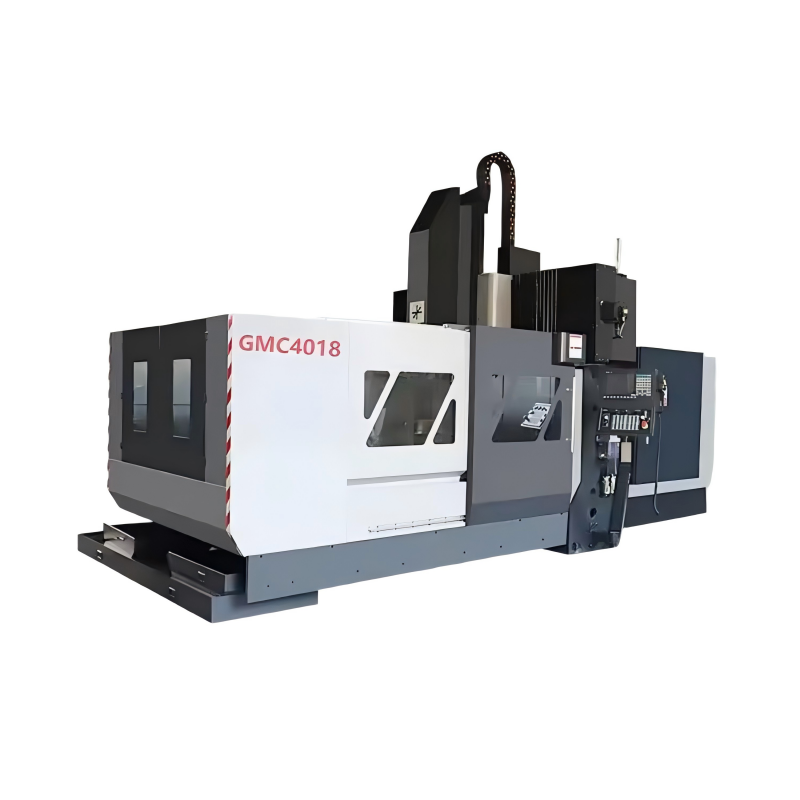
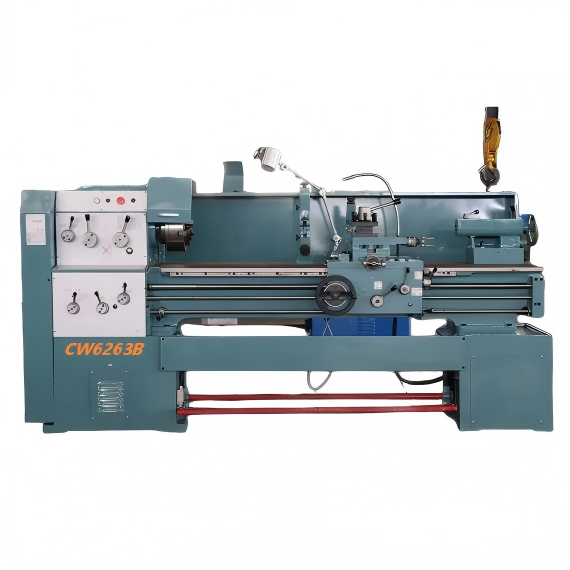
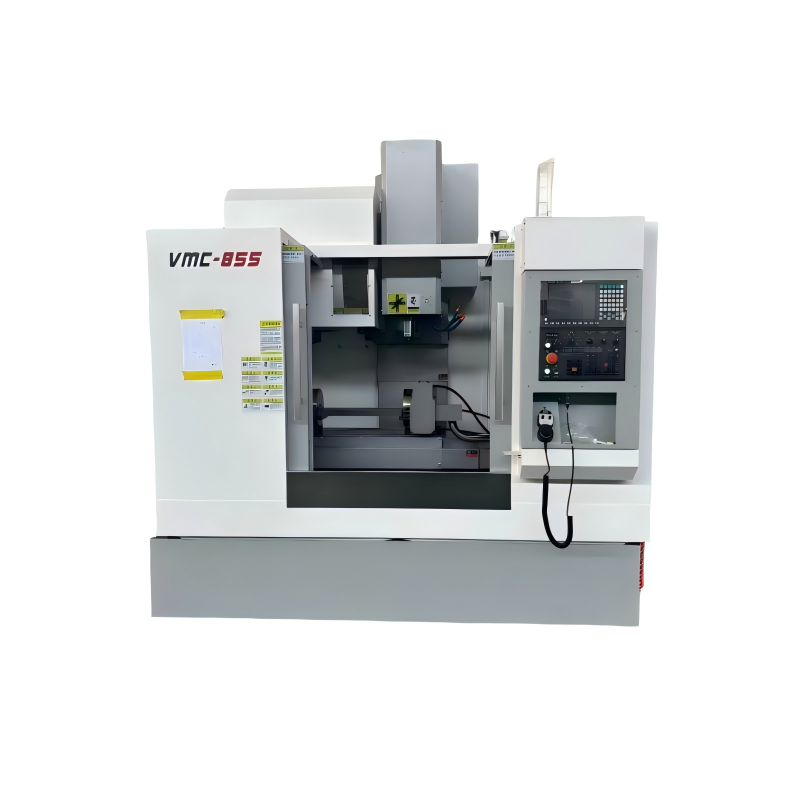
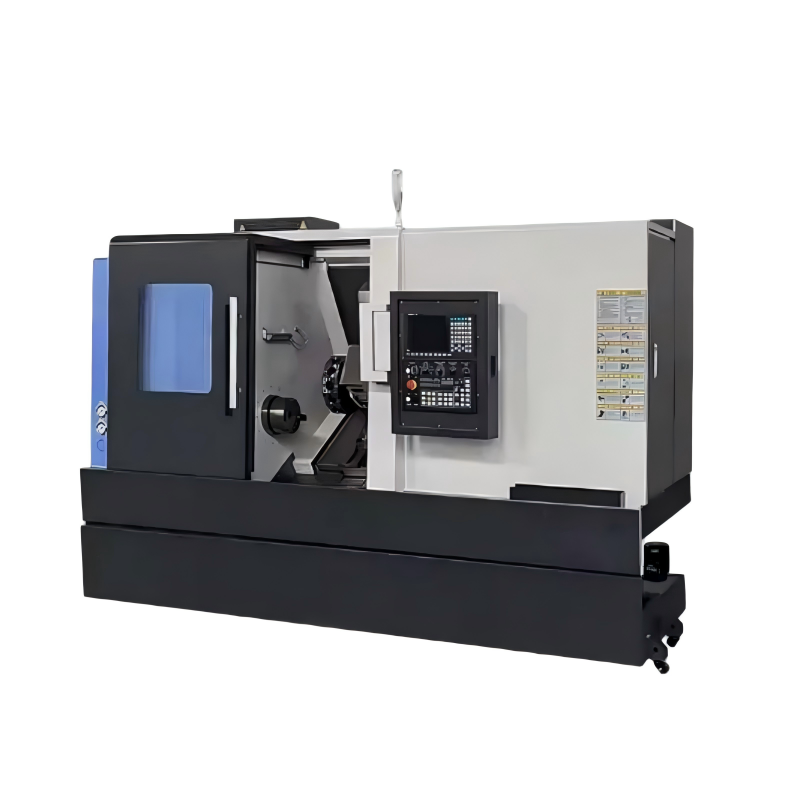
A Vertical Milling Machine is an essential tool in the manufacturing industry, used for shaping and cutting various materials. Its versatility and precision make it a popular choice among professionals. This report delves into advanced techniques that can enhance the efficiency of using a vertical milling machine, providing valuable insights for both novice and experienced operators.
Before diving into advanced techniques, it's crucial to have a solid understanding of the basic components and functions of a vertical milling machine. A vertical milling machine typically consists of a spindle, table, and base. The spindle holds the cutting tool, which rotates at high speeds to cut through the material. The table, on which the workpiece is mounted, can move in multiple directions, allowing for precise positioning. The base provides stability and support for the entire machine.
Operators must be familiar with the controls and settings, including feed rates, spindle speed, and depth of cut. These parameters are critical in achieving the desired results and maintaining the longevity of the machine. Understanding how to properly set up and adjust these settings is the foundation for mastering more advanced techniques.
The performance of a vertical milling machine heavily depends on the quality and condition of the cutting tools. Selecting the right tool for the job is the first step in optimizing efficiency. Different materials and machining tasks require specific types of tools. For example, high-speed steel (HSS) tools are suitable for general-purpose milling, while carbide tools are better for harder materials and high-precision applications.
Maintaining the tools is equally important. Regular inspection and sharpening can significantly extend the life of the tools and improve the quality of the cuts. Additionally, proper storage and handling practices prevent damage and ensure that the tools are always in optimal condition. By investing time in tool selection and maintenance, operators can achieve consistent and reliable results.
Advanced cutting strategies can greatly enhance the efficiency and accuracy of a vertical milling machine. One such strategy is high-speed machining (HSM), which involves using higher spindle speeds and feed rates to reduce cutting time and improve surface finish. HSM requires careful planning and precise control, but the benefits include reduced cycle times and increased productivity.
Another technique is adaptive milling, which adjusts the tool path based on the varying conditions of the workpiece. This approach ensures that the cutting tool maintains a consistent load, reducing the risk of tool breakage and improving the overall quality of the machined part. Adaptive milling is particularly useful for complex geometries and difficult-to-machine materials.
Lastly, the use of coolant and lubricants can also play a significant role in enhancing the performance of a vertical milling machine. Coolants help dissipate heat generated during the cutting process, preventing thermal damage to the workpiece and extending the life of the cutting tool. Lubricants, on the other hand, reduce friction and wear, ensuring smoother and more efficient cutting.
Computer-aided design (CAD) and computer-aided manufacturing (CAM) software have revolutionized the way vertical milling machines are used. Integrating CAD/CAM into the machining process allows for the creation of highly detailed and accurate tool paths, which can be directly transferred to the machine. This integration eliminates the need for manual programming and reduces the likelihood of errors.
CAD/CAM software also enables the simulation of the machining process, allowing operators to visualize and optimize the tool path before actual machining. This feature is particularly useful for identifying potential issues and making adjustments to the program, ensuring that the final product meets the required specifications. By leveraging CAD/CAM integration, operators can achieve greater precision and efficiency in their machining operations.
Safety is a paramount concern when operating a vertical milling machine. Adhering to safety protocols and regulations not only protects the operator but also ensures the smooth operation of the machine. Key safety measures include wearing appropriate personal protective equipment (PPE), such as safety glasses and gloves, and ensuring that the work area is clean and free from obstructions.
Regular maintenance and inspections are also crucial for maintaining a safe working environment. This includes checking the condition of the machine, replacing worn or damaged parts, and ensuring that all safety features, such as emergency stop buttons, are functioning correctly. By prioritizing safety, operators can minimize the risk of accidents and create a more productive and efficient workspace.
Mastering the advanced techniques for efficient use of a vertical milling machine requires a combination of technical knowledge, practical experience, and a commitment to continuous improvement. By understanding the basics, optimizing tool selection and maintenance, implementing advanced cutting strategies, leveraging CAD/CAM integration, and ensuring safety and compliance, operators can significantly enhance the performance and productivity of their vertical milling machines. As technology continues to evolve, staying updated with the latest advancements and best practices will be key to maintaining a competitive edge in the manufacturing industry.
 25/06/2026
Overview of Vertical Milling MachineThe Vertical Milling Machine is a fundamental piece of equipment in the manufacturing and machining industry, used for performing various cutting operations on different materials. This type of machine is characterized
Read MoreOur professional sales team is always ready to assist you.