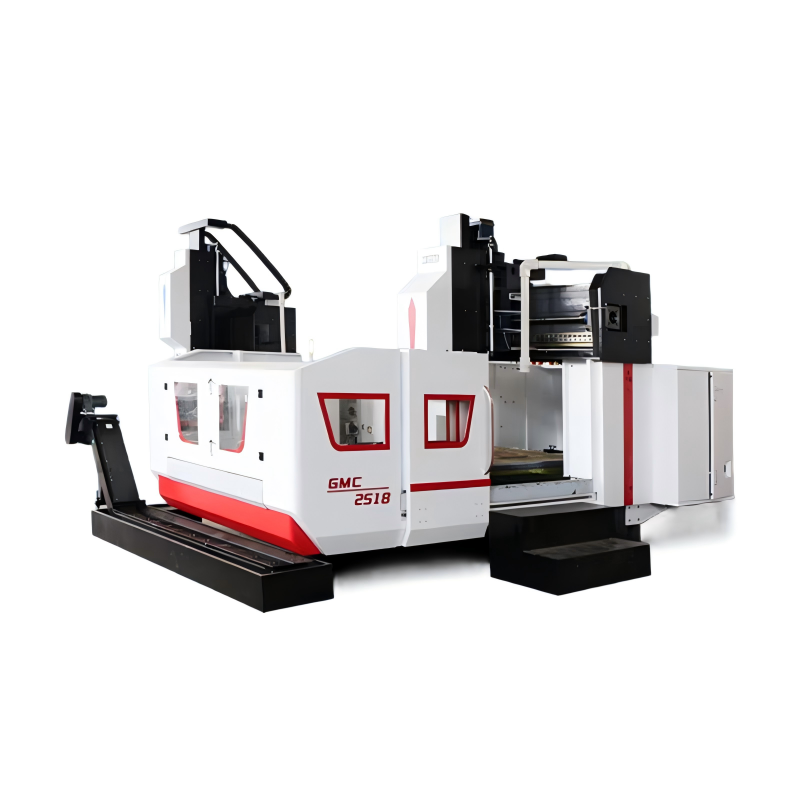
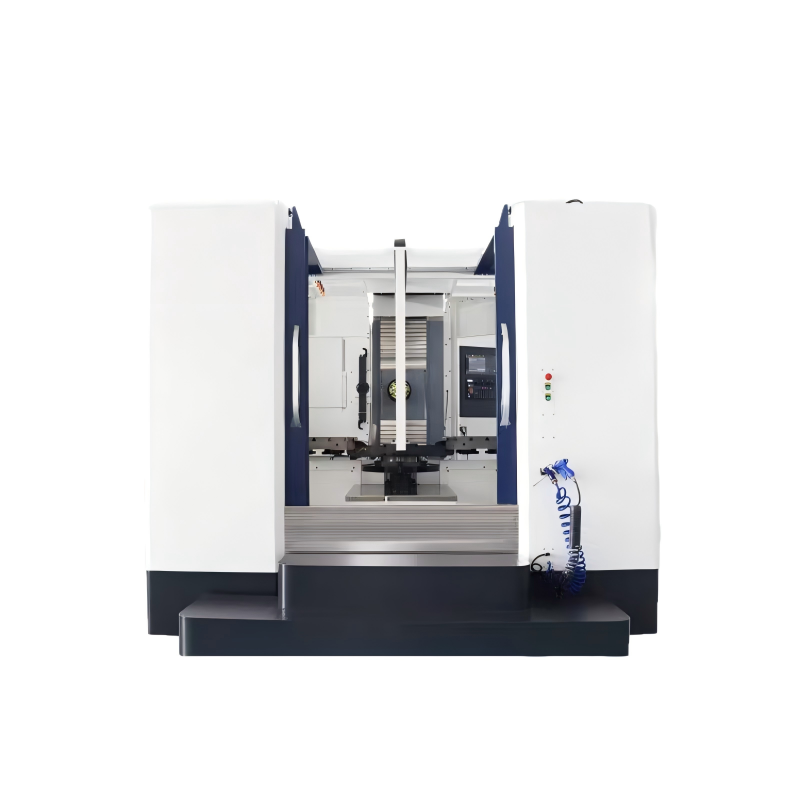
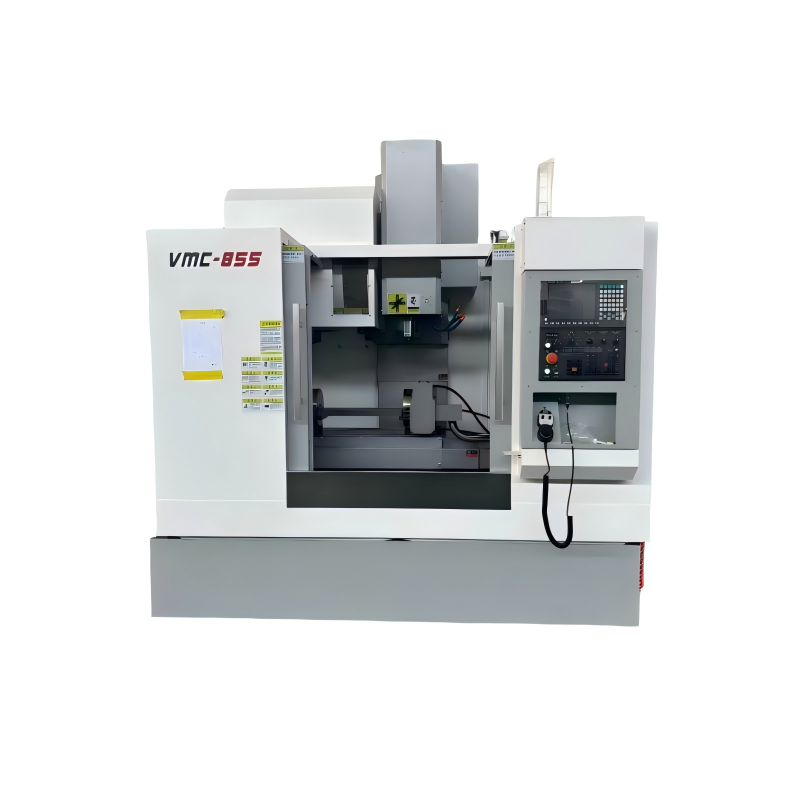
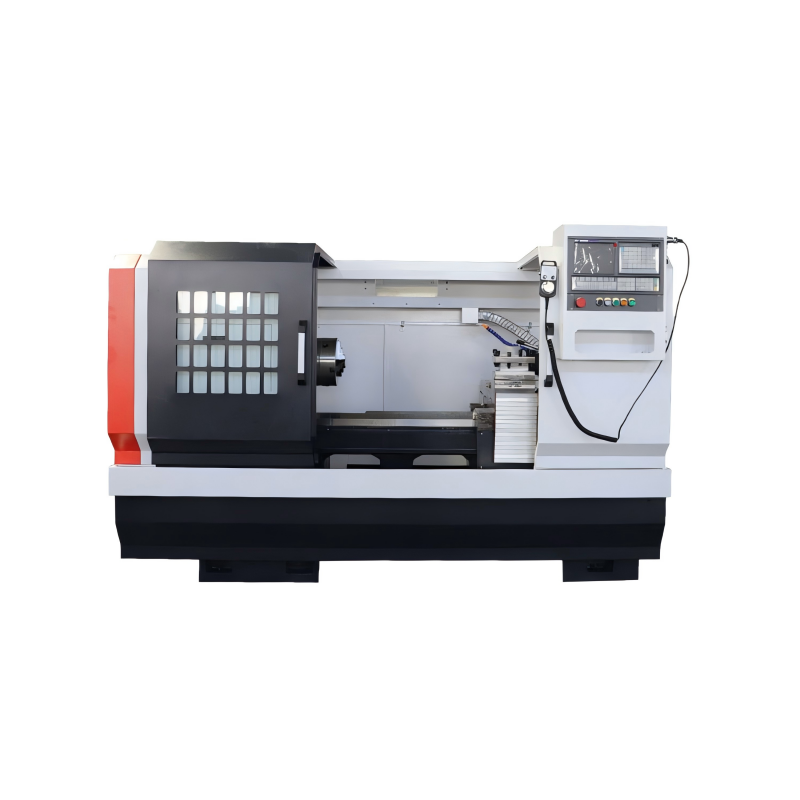
The advent of CNC (Computer Numerical Control) milling machines has revolutionized the manufacturing industry, enabling higher precision and efficiency in engineering projects. This report delves into advanced techniques employed with CNC Milling Machines for achieving unparalleled levels of precision and quality in engineering components. By exploring these methodologies, manufacturers can optimize their production processes, reduce waste, and meet stringent customer requirements.
In precision engineering, the tool path strategy is a critical factor that influences both the speed and accuracy of the machining process. Advanced software solutions now offer sophisticated algorithms designed to generate optimal tool paths, taking into account factors such as material properties, tool geometry, and desired surface finish. For instance, using adaptive clearing strategies allows for more efficient removal of material while minimizing tool wear and vibration. Implementing these advanced tool path strategies on a CNC Milling Machine not only enhances productivity but also ensures that parts are machined to the highest standards of quality.
Furthermore, employing high-speed machining (HSM) techniques within these tool paths can significantly reduce cycle times without compromising on part integrity. HSM involves cutting at much higher speeds than traditional methods, which requires careful consideration of feed rates, spindle speeds, and tool selection to avoid overheating or damaging the workpiece. Through meticulous planning and simulation, engineers can harness the full potential of HSM, making it an indispensable technique for those aiming to stay competitive in today’s fast-paced market.
Moving beyond conventional three-axis machining, multi-axis CNC milling machines open up new possibilities for creating complex geometries with exceptional precision. Five-axis machines, in particular, provide the flexibility to machine parts from multiple angles simultaneously, reducing the need for repositioning and thus minimizing setup errors. This capability is especially valuable when working with intricate designs or tight tolerances, where even slight misalignments can lead to significant deviations in final dimensions.
Moreover, by leveraging simultaneous five-axis machining, operators can achieve smoother surface finishes and more consistent results across all axes. The ability to continuously orient the cutting tool relative to the part's surface allows for more uniform chip loads and better heat dissipation, leading to improved tool life and reduced thermal distortion. As a result, this advanced technique plays a crucial role in producing high-precision components for industries such as aerospace, automotive, and medical devices, where performance and reliability are paramount.
To ensure that parts meet the required specifications throughout the entire production run, integrating in-process quality control measures is essential. Modern CNC Milling Machines often come equipped with sensors and probes capable of performing real-time measurements and adjustments. These systems can detect any deviations from the programmed parameters and automatically correct them, thereby maintaining consistent quality and reducing scrap rates.
One example of such technology is the use of laser scanning or touch probes to verify the dimensional accuracy of a part during the machining process. By comparing the scanned data against the original CAD model, operators can quickly identify and address any discrepancies before they become problematic. Additionally, implementing statistical process control (SPC) methods helps in monitoring long-term trends and identifying potential issues early on, allowing for proactive maintenance and optimization of the machining process.
By combining these advanced in-process quality control measures with robust post-machining inspection protocols, manufacturers can deliver products that not only meet but exceed customer expectations, reinforcing their reputation for excellence in precision engineering.
In conclusion, the application of advanced techniques in CNC milling, including optimized tool path strategies, multi-axis machining capabilities, and in-process quality control measures, is pivotal for achieving superior precision and efficiency in modern manufacturing. Embracing these innovations enables businesses to tackle increasingly complex engineering challenges, ensuring they remain at the forefront of technological advancement and competitive advantage.
Our professional sales team is always ready to assist you.