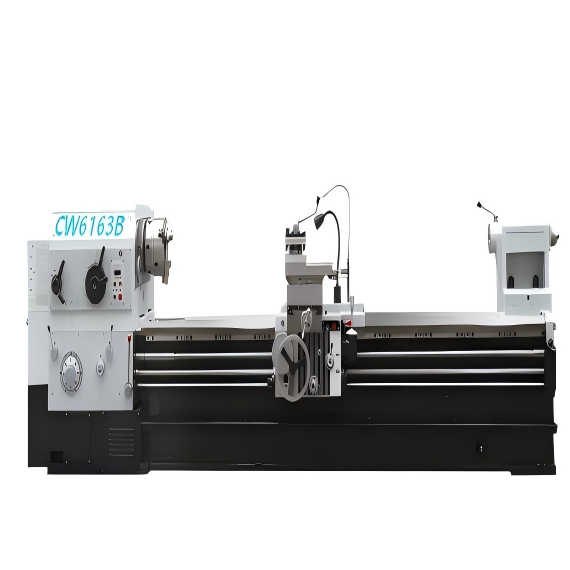
In the ever-evolving landscape of modern manufacturing, the role of Conventional Pipe Thread Lathe has become increasingly significant. This tool, often overlooked in favor of more advanced machinery, continues to play a vital part in various industries, from plumbing and construction to automotive and aerospace. This report delves into the multifaceted contributions of the conventional pipe thread lathe, exploring its applications, benefits, and future prospects.
The conventional pipe thread lathe stands out for its ability to produce highly precise and consistent threads. In an era where precision is paramount, this capability cannot be overstated. The lathe's design allows for meticulous control over the cutting process, ensuring that each thread is uniform and meets the required specifications. This level of precision is crucial in industries where even the slightest deviation can lead to significant issues, such as leaks or structural failures.
Moreover, the repeatability of the conventional pipe thread lathe is another key advantage. Once the machine is set up, it can produce identical threads repeatedly, which is essential for large-scale production. This consistency not only improves the quality of the final product but also reduces the need for rework and waste, thereby increasing overall efficiency.
One of the most compelling reasons for the continued use of the conventional pipe thread lathe is its cost-effectiveness. Compared to more advanced CNC (Computer Numerical Control) machines, conventional lathes are significantly more affordable. This makes them accessible to a wider range of manufacturers, including small and medium-sized enterprises (SMEs) that may not have the budget for high-end equipment.
Additionally, the operational costs of conventional pipe thread lathes are lower. They require less maintenance and fewer consumables, such as specialized cutting tools. This cost savings can be reinvested into other areas of the business, such as research and development or marketing, further enhancing the company's competitiveness.
Furthermore, the simplicity of these lathes means that they can be operated by less skilled labor, reducing the need for extensive training and specialized personnel. This accessibility is particularly valuable in regions where skilled labor is scarce or expensive.
The conventional pipe thread lathe is not limited to a single type of material or application. It can handle a wide range of materials, including steel, brass, and plastic, making it a versatile tool in various manufacturing processes. This versatility is especially important in industries where flexibility is key, such as custom fabrication and prototyping.
Moreover, the adaptability of these lathes allows for easy modification and customization. Manufacturers can adjust the setup to accommodate different thread sizes and pitches, making it a flexible solution for diverse projects. This adaptability is particularly useful in industries where requirements frequently change, such as the automotive and aerospace sectors.
Another aspect of the conventional pipe thread lathe's versatility is its ability to perform multiple operations. Besides threading, these lathes can also be used for turning, facing, and drilling, making them a multi-functional tool in the workshop. This multifunctionality reduces the need for additional machinery, saving both space and resources.
While the conventional pipe thread lathe may seem like a relic of the past, it can still integrate seamlessly with modern technologies. For instance, many manufacturers are now using computer-aided design (CAD) software to create detailed designs and specifications. These designs can then be transferred to the lathe, ensuring that the threads are produced exactly as intended.
Additionally, advancements in sensor technology and data analytics can be applied to conventional lathes to enhance their performance. Sensors can monitor the cutting process in real-time, providing feedback on parameters such as speed, feed rate, and temperature. This data can be analyzed to optimize the process, reduce wear and tear on the machine, and improve the quality of the threads.
Furthermore, the integration of automation and robotics can further enhance the capabilities of the conventional pipe thread lathe. Automated systems can load and unload workpieces, reducing the need for manual intervention and increasing productivity. This combination of traditional craftsmanship and modern technology ensures that the conventional pipe thread lathe remains a relevant and valuable tool in the manufacturing industry.
The conventional pipe thread lathe also plays a role in promoting sustainability and reducing the environmental impact of manufacturing. Due to its low energy consumption and minimal use of consumables, it is a more eco-friendly option compared to some of the more energy-intensive alternatives. Additionally, the durability and long lifespan of these lathes mean that they do not need to be replaced frequently, reducing the amount of waste generated.
Furthermore, the precision and consistency of the threads produced by the conventional pipe thread lathe contribute to the longevity of the final products. This reduces the need for frequent replacements and repairs, leading to a lower overall environmental footprint. By producing high-quality, long-lasting components, the conventional pipe thread lathe supports the principles of sustainable manufacturing.
In conclusion, the conventional pipe thread lathe continues to be a vital tool in modern manufacturing, offering a unique blend of precision, cost-effectiveness, versatility, and sustainability. As the industry evolves, the integration of modern technologies and the ongoing improvements in design and functionality will ensure that this time-tested tool remains a cornerstone of manufacturing for years to come.
 25/06/2026
The field of machining has seen significant advancements over the years, yet the conventional pipe thread lathe remains a cornerstone in many industrial applications. This report aims to explore the precision and effectiveness of conventional pipe thread
Read MoreOur professional sales team is always ready to assist you.