The field of machining has seen significant advancements over the years, yet the Conventional Pipe Thread Lathe remains a cornerstone in many industrial applications. This report aims to explore the precision and effectiveness of conventional pipe thread lathe techniques, providing insights into their operation, advantages, and the factors that contribute to their continued relevance.
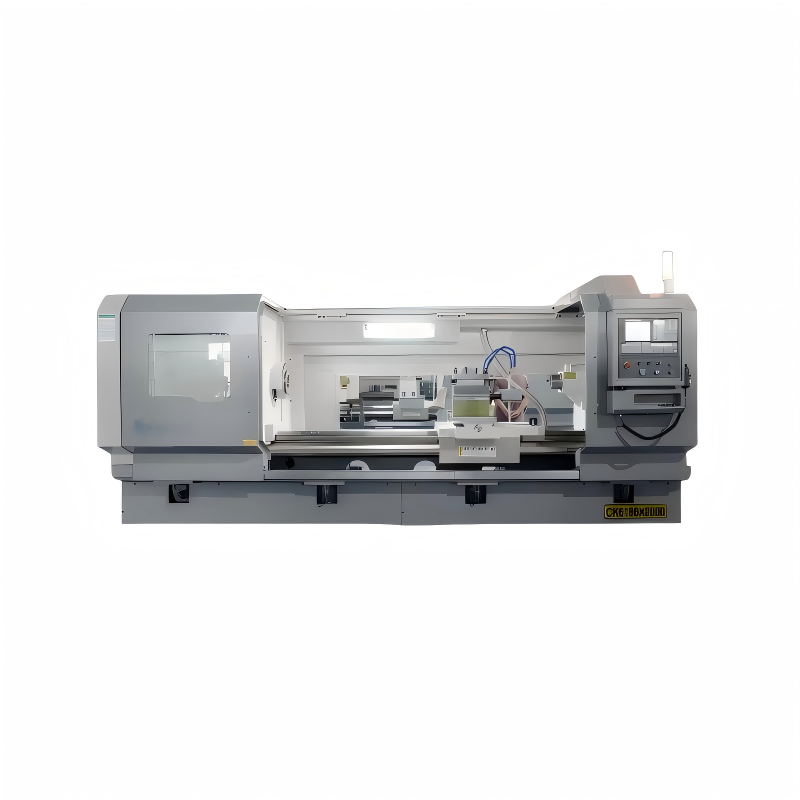
A conventional pipe thread lathe is a specialized machine designed to cut threads on pipes and cylindrical objects. The process involves rotating the workpiece against a cutting tool, which moves along the length of the pipe to create the desired thread pattern. The key components of a conventional pipe thread lathe include the headstock, tailstock, carriage, and tool post. The headstock holds the workpiece and provides the rotational motion, while the tailstock supports the other end of the workpiece. The carriage, which can move longitudinally, carries the tool post and the cutting tool. The precision of the thread depends on the accuracy of these components and the skill of the operator.
The threading process is highly dependent on the setup and calibration of the lathe. Proper alignment of the workpiece, accurate positioning of the cutting tool, and consistent feed rates are crucial for achieving high-precision threads. Additionally, the type and condition of the cutting tool, as well as the material of the workpiece, play a significant role in the quality of the final product.
Despite the advent of more advanced CNC (Computer Numerical Control) machines, conventional pipe thread lathes continue to be widely used due to several advantages. One of the primary benefits is the flexibility they offer. Conventional lathes can be easily adjusted to accommodate different sizes and types of pipes, making them suitable for a wide range of applications. This adaptability is particularly valuable in small-scale operations where the variety of workpieces may be extensive.
Another advantage is the cost-effectiveness of conventional pipe thread lathes. These machines are generally less expensive to purchase and maintain compared to their CNC counterparts. They also do not require the same level of technical expertise to operate, making them accessible to a broader range of users. For small workshops and individual machinists, the lower initial investment and operational costs make conventional lathes a practical choice.
Furthermore, conventional pipe thread lathes provide a hands-on approach to machining. Operators have direct control over the cutting process, allowing for real-time adjustments and fine-tuning. This manual control can be particularly beneficial when working with irregular or complex shapes, where the operator's experience and judgment are critical.
The precision of threads produced by a conventional pipe thread lathe is influenced by several factors. One of the most important is the condition of the lathe itself. Regular maintenance and calibration are essential to ensure that all components are functioning correctly. Any wear or misalignment in the headstock, tailstock, or carriage can lead to inaccuracies in the thread pitch and depth.
The quality of the cutting tool is another critical factor. Dull or damaged tools can result in poor thread quality, including rough surfaces and inconsistent pitch. It is important to use sharp, high-quality tools and to replace them regularly. Additionally, the material of the workpiece can affect the precision of the thread. Softer materials, such as copper or aluminum, are easier to machine and typically produce smoother threads, while harder materials, like steel, may require more precise and robust cutting tools.
Operator skill and experience also play a significant role in the precision of the threads. Experienced operators are better able to make the necessary adjustments during the cutting process, ensuring that the thread is consistent and meets the required specifications. Training and practice are essential for developing the skills needed to achieve high-precision results.
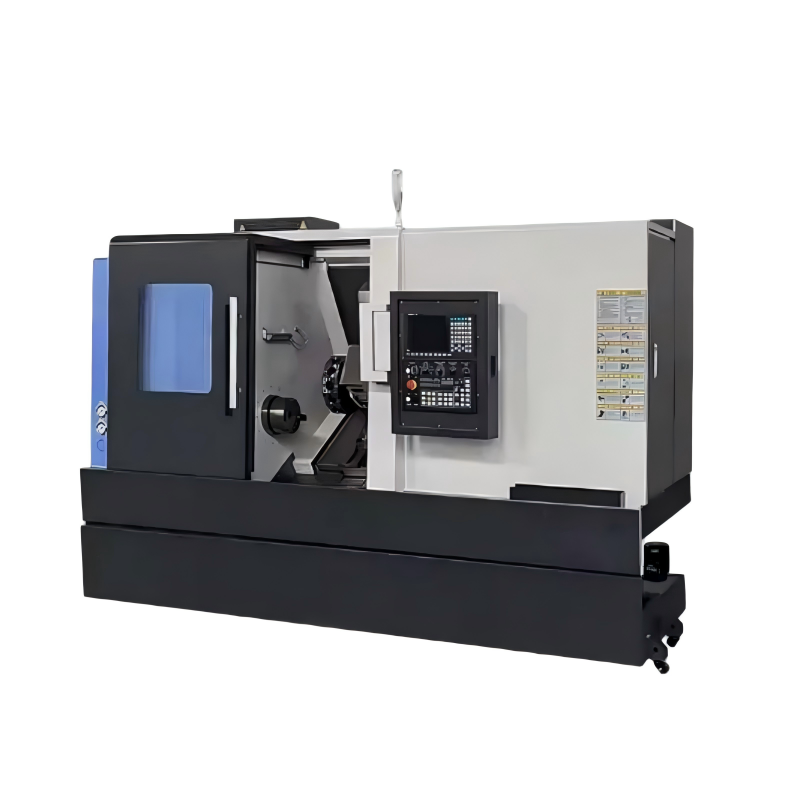
While conventional pipe thread lathes have many advantages, they are often compared to CNC Lathes, which offer greater automation and precision. CNC lathes use computer-controlled systems to guide the cutting tool, resulting in highly accurate and repeatable threads. This makes CNC lathes ideal for large-scale production and high-precision applications.
However, conventional lathes still hold their own in certain scenarios. For one, they are more flexible and can handle a wider range of workpieces without the need for reprogramming. This makes them particularly useful in custom or small-batch production, where the setup time and cost of CNC machines can be prohibitive. Additionally, the hands-on nature of conventional lathes allows for immediate adjustments and problem-solving, which can be advantageous in situations where quick modifications are needed.
In summary, while CNC lathes offer superior precision and automation, conventional pipe thread lathes remain a valuable tool in many machining environments. The choice between the two often depends on the specific requirements of the job, the available resources, and the operator's preferences and expertise.
As technology continues to advance, the field of pipe threading is also evolving. One of the key trends is the integration of digital technologies into conventional lathes. This includes the use of sensors and monitoring systems to track the performance of the lathe and the quality of the threads in real-time. Such innovations can help operators identify and correct issues more quickly, improving overall precision and efficiency.
Another area of innovation is the development of new cutting tools and materials. Advances in tool design and coating technologies are leading to longer-lasting and more effective cutting tools. Additionally, the use of new materials, such as advanced ceramics and composites, is expanding the capabilities of conventional pipe thread lathes, allowing them to handle a wider range of applications.
Finally, there is a growing focus on sustainability and energy efficiency in the manufacturing industry. This includes the development of more efficient motors and drive systems for lathes, as well as the use of renewable energy sources. These efforts aim to reduce the environmental impact of machining operations while maintaining or even improving the precision and quality of the threads produced.
In conclusion, the conventional pipe thread lathe remains a vital tool in the machining industry, offering a unique combination of flexibility, cost-effectiveness, and hands-on control. While it faces competition from more advanced CNC machines, its continued relevance is assured by its ability to meet the diverse needs of various applications. As technology continues to evolve, the future of pipe threading will likely see a blend of traditional and modern approaches, with conventional lathes playing a key role in this dynamic landscape.
Our professional sales team is always ready to assist you.