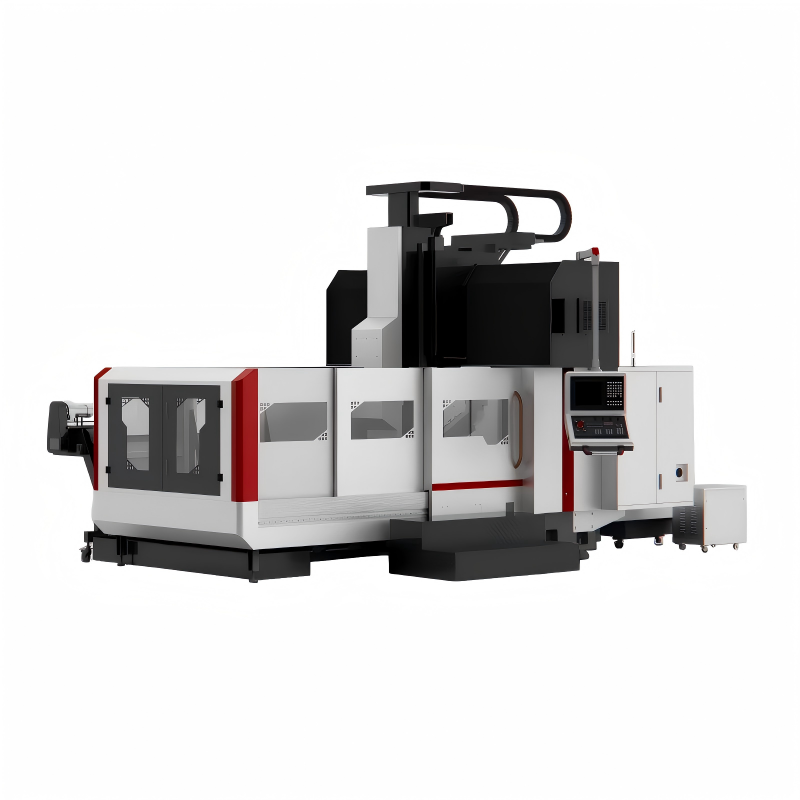
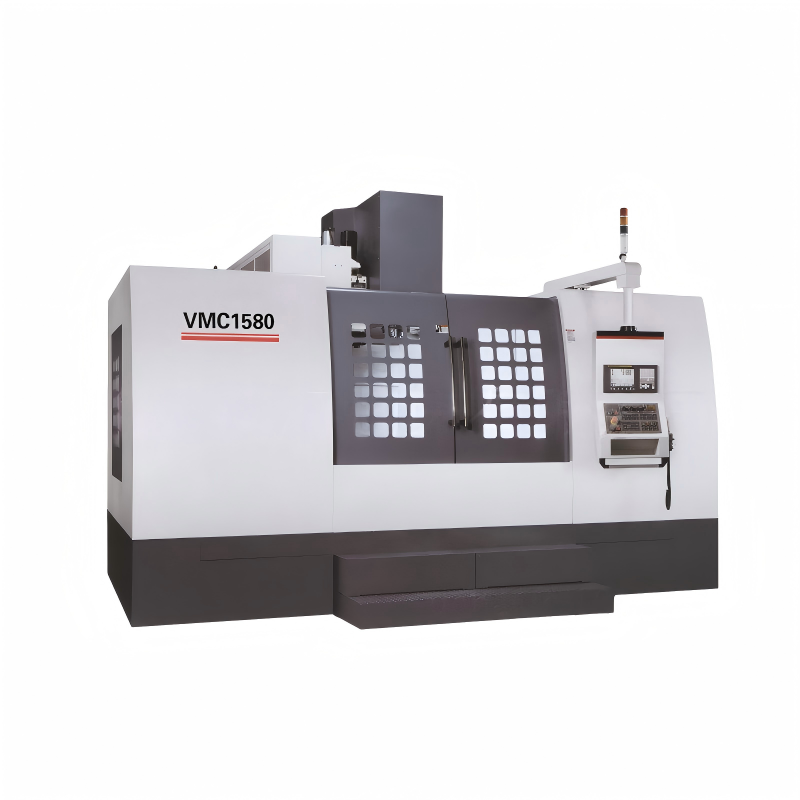
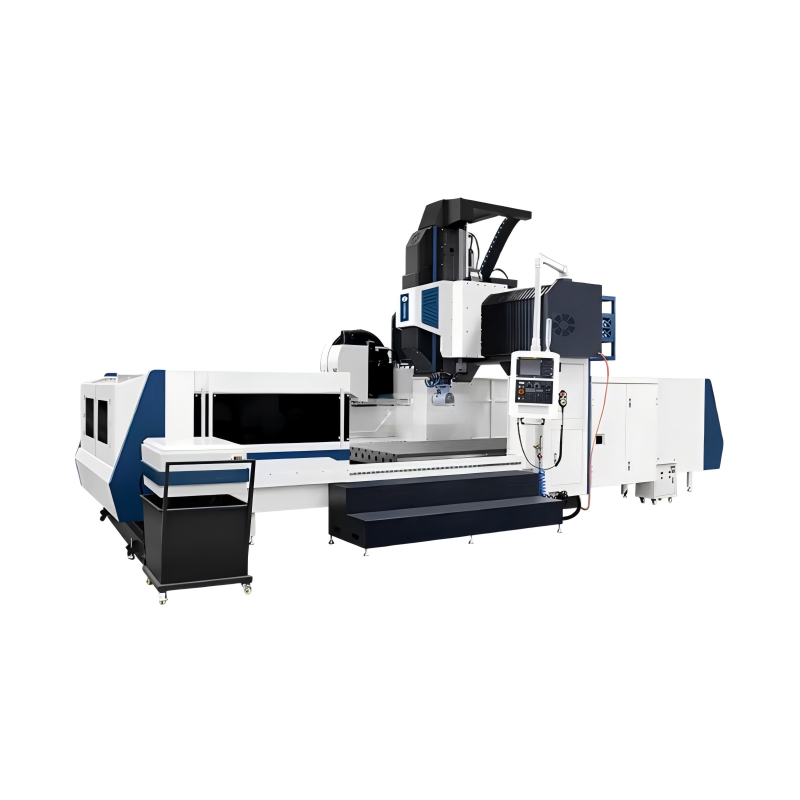
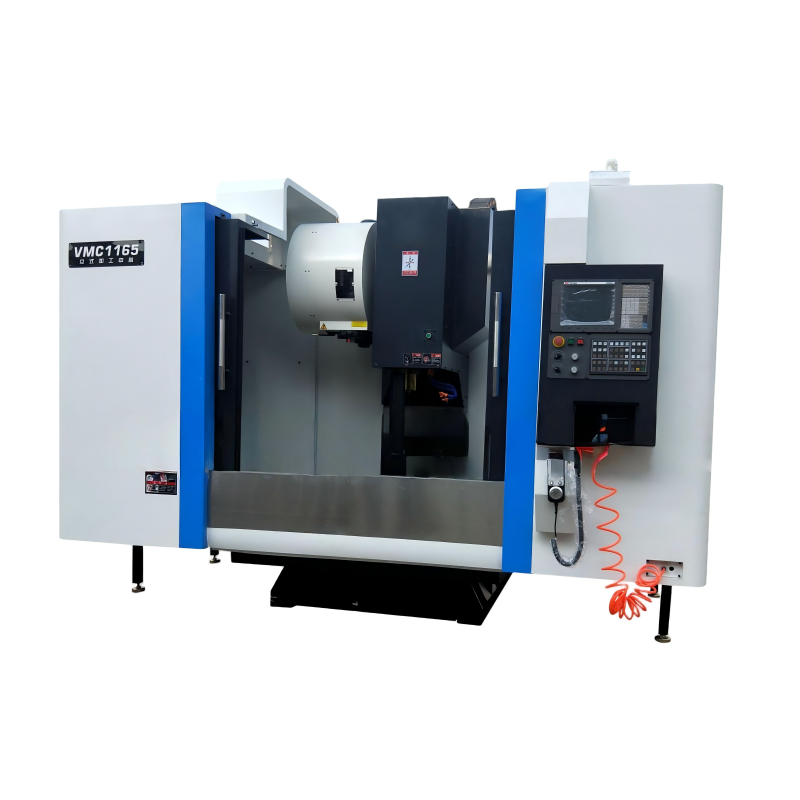
The Vertical Milling Machine is a fundamental piece of equipment in the manufacturing and machining industry, used for performing various cutting operations on different materials. This type of machine is characterized by its spindle axis, which is oriented vertically, allowing it to perform operations such as drilling, boring, reaming, and milling. The vertical orientation of the spindle makes it particularly suitable for working with smaller workpieces or when detailed precision is required. Understanding the basics of how a vertical milling machine operates is crucial for anyone involved in the field of machining, from hobbyists to professional engineers.
To fully grasp the operational capabilities of a vertical milling machine, one must first become familiar with its key components and their respective functions. A typical vertical milling machine consists of several essential parts, including the base, column, knee, table, saddle, and head. Each component plays a specific role in the overall functionality of the machine. For instance, the base provides stability and support, while the column houses the spindle and supports the head. The knee, attached to the column, allows for vertical movement, whereas the table, mounted on the knee, can move horizontally along both X and Y axes. These movements, combined with the ability to rotate the spindle, enable the machine to execute a wide range of cutting tasks efficiently and accurately.
Understanding the operating principles behind a vertical milling machine involves recognizing not only the physical interactions between the machine's components but also the techniques employed during operation. One of the primary aspects of operating a vertical milling machine is setting up the workpiece correctly. This includes securing the material firmly onto the table using clamps or vices to ensure stability throughout the machining process. Another critical aspect is selecting the appropriate tool for the job, whether it be a drill bit, end mill, or any other cutting tool. The speed at which the spindle rotates, known as RPM (revolutions per minute), and the feed rate, which controls how fast the tool moves through the material, are also crucial factors that significantly impact the quality and efficiency of the cut. By mastering these principles and techniques, operators can achieve optimal results, minimize waste, and extend the lifespan of both the tools and the machine itself.
Proper maintenance and adherence to safety guidelines are indispensable for ensuring the longevity and safe operation of a vertical milling machine. Regular maintenance activities, such as lubricating moving parts, checking for wear and tear, and replacing worn-out components, help prevent unexpected breakdowns and maintain the machine's accuracy over time. Moreover, following safety protocols, like wearing protective gear, keeping the work area clean, and never leaving the machine unattended while in use, are vital steps towards preventing accidents and injuries. Educating oneself about these maintenance and safety practices not only enhances the user's experience but also contributes to a safer, more productive work environment.
As technology continues to evolve, so too does the design and capability of vertical milling machines. Recent advancements include the integration of computer numerical control (CNC) systems, which allow for automated, precise, and repeatable operations. CNC-controlled vertical milling machines have revolutionized the way parts are manufactured, enabling complex shapes and designs to be produced with minimal human intervention. Furthermore, there is a growing trend towards incorporating real-time monitoring and predictive maintenance features into these machines, aimed at reducing downtime and improving overall efficiency. As the demand for high-precision, cost-effective solutions increases, we can expect to see further innovations in the field, making vertical milling machines even more versatile and efficient in the future.
Our professional sales team is always ready to assist you.